New insights into salmon feed: Consumers need more knowledge about the raw materials behind Norwegian salmon
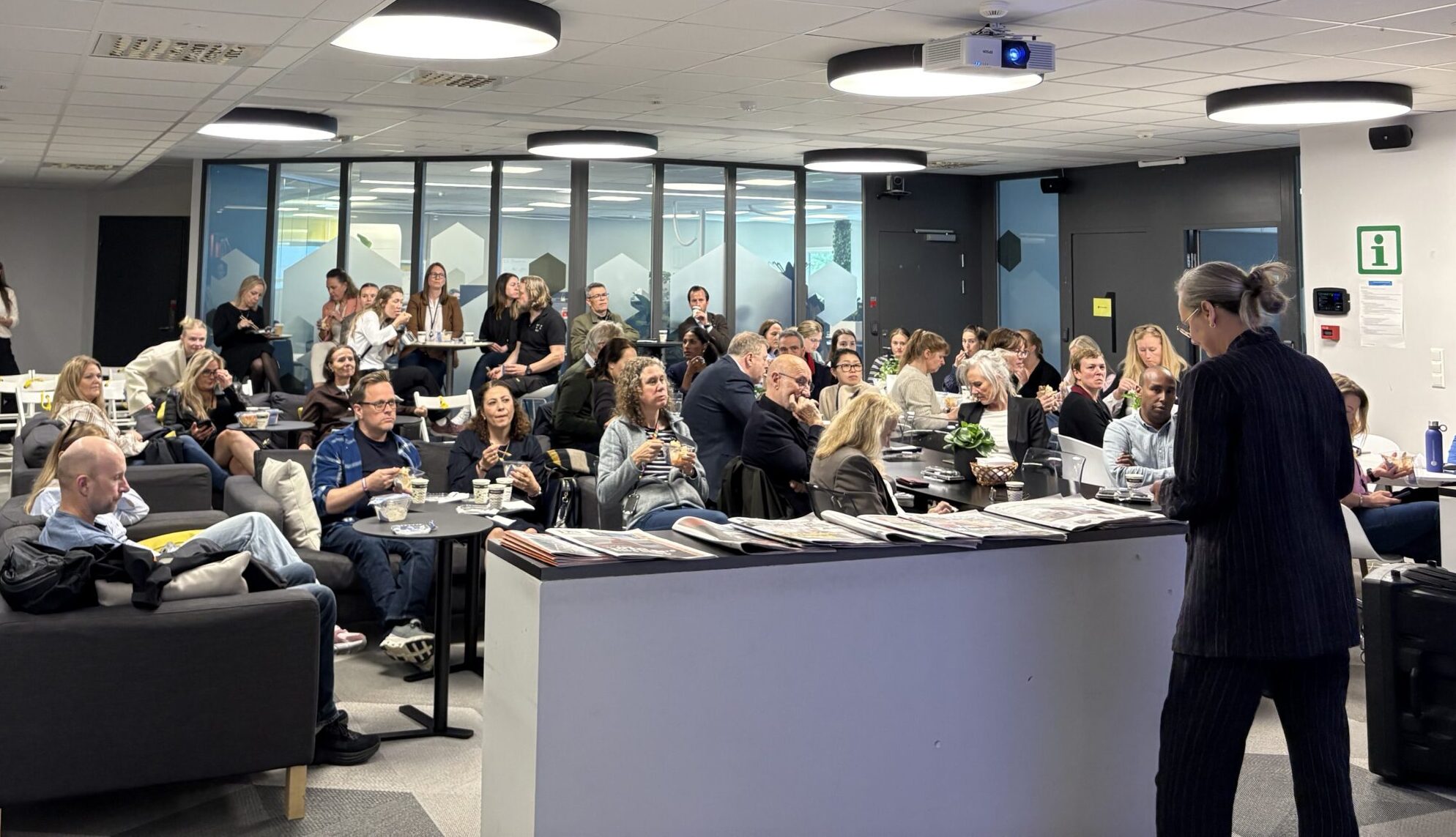
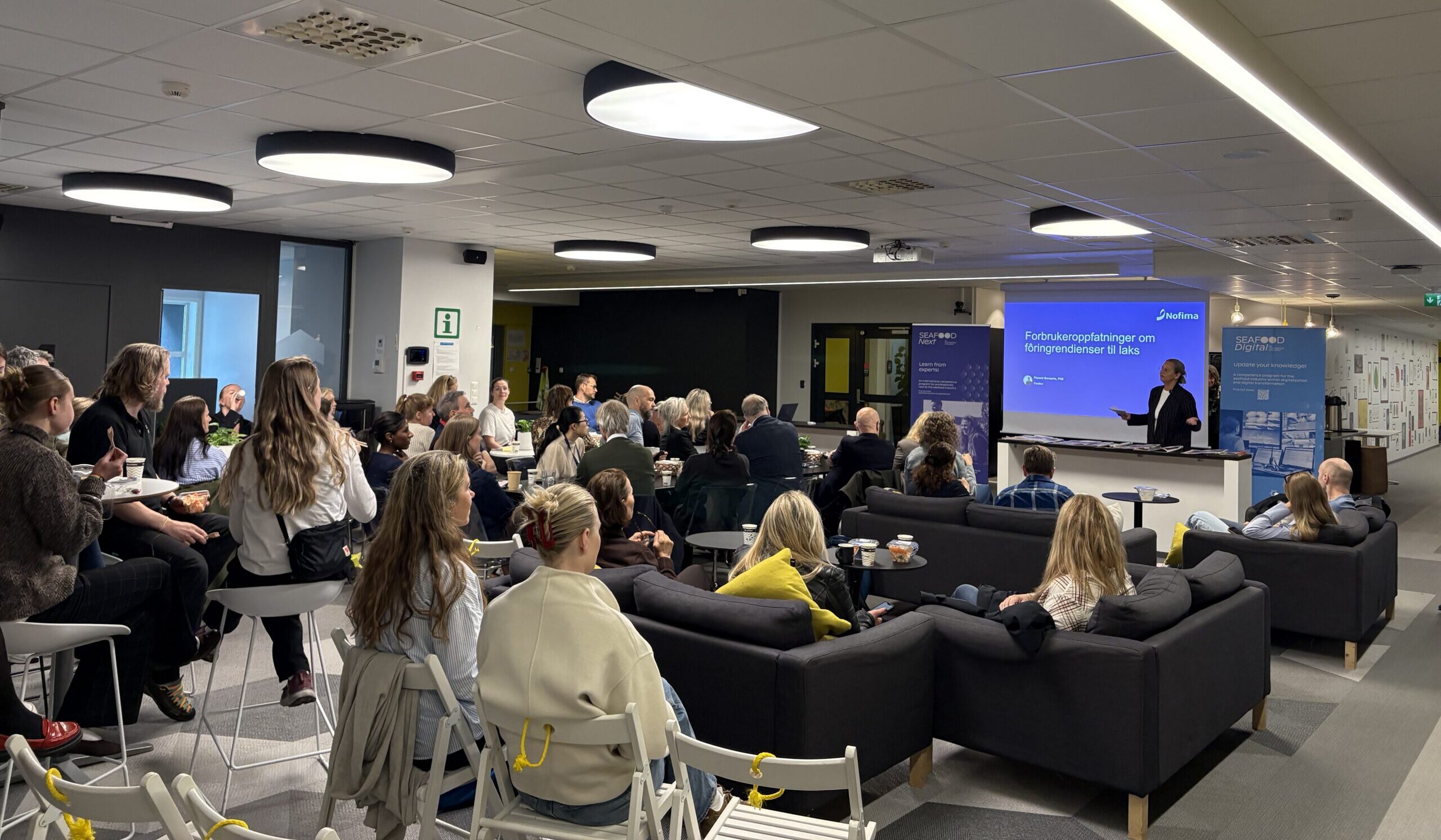
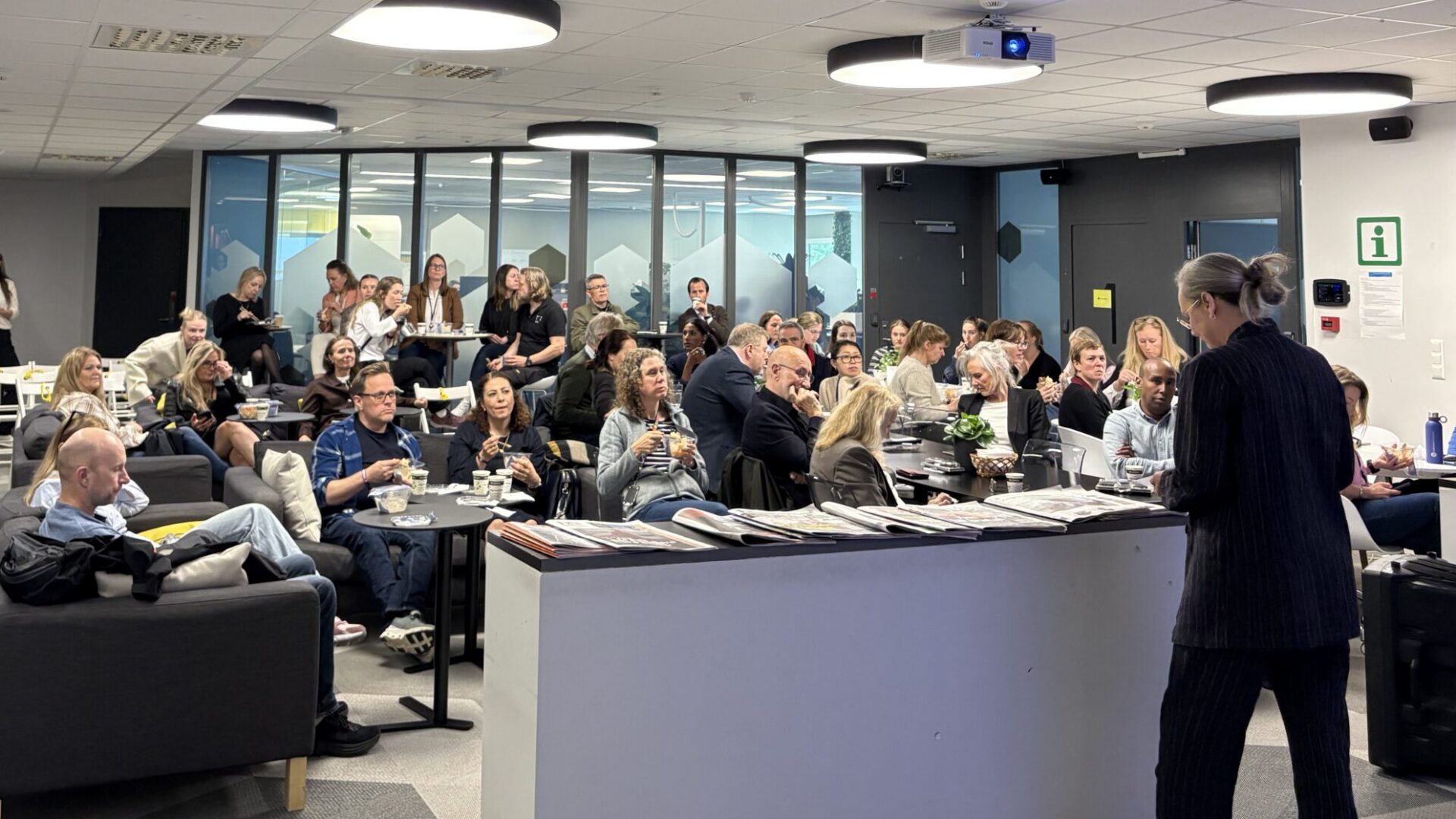
What salmon eats is increasingly important for sustainability, competitiveness and consumer confidence. During the NCE Seafoods HAVlunsj in Bergen, new research from Nofima was presented to stakeholders from the seafood industry. The topic was how consumers in France and the UK perceive different feed ingredients for salmon, and what the industry can learn from this.
The findings show that many consumers have limited knowledge about what salmon feed actually consists of. At the same time, they react differently to different raw materials, depending on what they perceive as natural, healthy or sustainable. Marine raw materials, plant-based ingredients and algae come out relatively well, while raw materials such as insects and chicken meal create more divided reactions.
Nofima researcher Florent Govaerts presented the report “ Consumer perceptions of feed ingredients for salmon ”, in which over 1,000 French and British consumers were asked about their attitudes towards various ingredients. A key finding is that consumers often become more skeptical when given specific information about what the feed contains. This underlines the need for clear and educational communication from the industry.
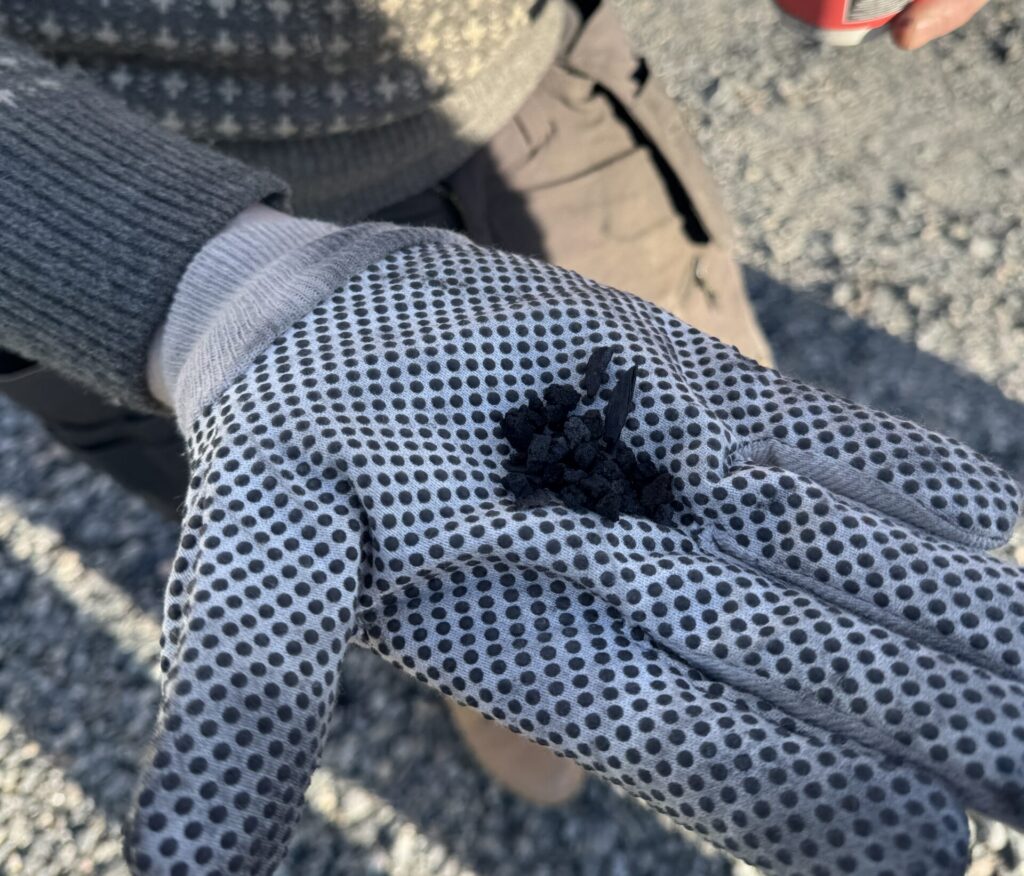
For NCE Seafood, this is important knowledge. – As a member organization, we want to contribute to increased insight, dialogue and knowledge sharing across the industry. We have therefore brought together researchers, feed producers and seafood stakeholders to discuss how the industry can explain raw material choices in a way that builds trust, says Solveig Holm, senior project manager at NCE Seafood. – Chicken waste is a sustainable and positive contribution to the circular economy, and in the project “Utilization of chicken waste as a protein source in salmon feed” we have seen that chicken meal is good for both fish health and salmon quality, she emphasizes.
Alternative raw materials can play an important role
A key point during the meeting was that consumer perceptions of sustainability do not always match documented sustainability. Tarjei Eide, CEO of Cargill's fish feed production in Europe and North America, pointed out that raw materials must be assessed based on facts, resource utilization, food safety and climate footprint. He highlighted that alternative raw materials can play an important role when the supply of marine ingredients is limited.
– Projects like this are important both for understanding consumers and how we should talk to them about this. We need to have alternative feed ingredients, but they must be good alternatives. As we gain new knowledge, we must ensure that the feed is increasingly appropriate for the fish, for the fish's welfare, but also the performance and growth of the salmon, said Eide.
At the same time, he emphasized that food safety must always be the basis. Feed ingredients must be safe, traceable and produced in accordance with applicable regulations. The choice of raw materials is therefore not only about price or availability, but also about quality, documentation and responsible production.
Persistent consumer misconceptions
Another theme in the survey was persistent misconceptions about Norwegian aquaculture, including related to antibiotic use. In Norway, use is very low, but the Nofima report showed that many consumers still have a different impression. This shows how important it is for the industry to communicate updated knowledge in a simple and credible way.
For the Norwegian seafood industry, there is therefore an opportunity in being open, precise and knowledge-based in communication. With more knowledge, consumers can have a better basis for understanding the choices being made and why they are important for the future of aquaculture.
– The HAVlunch showed that feed is more than a technical issue for producers and suppliers, it is also a communication and trust issue. Consumers in important export markets want safe, healthy and sustainable food, but need good explanations of how the industry actually works, says Solveig Holm.