Seafood Next in Iceland: valuable insights, new relationships and inspiration
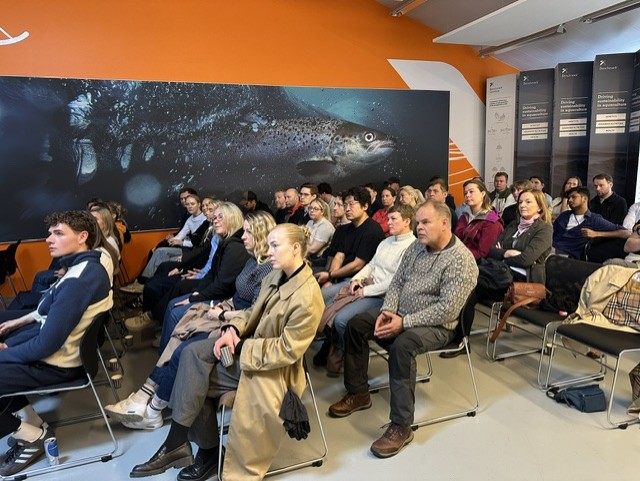
Two Seafood Next groups have visited Iceland. Through professional presentations, company visits and networking, the participants gained a unique insight into how Iceland is working purposefully with innovation, aquaculture and the exploitation of marine resources for a sustainable seafood industry.
As a basis for the further program, Alexandra Leeper, CEO of Iceland Ocean Cluster , gave an introduction to the Icelandic seafood industry. She explained how Iceland has developed a strong and innovative seafood sector, with a particular emphasis on value creation throughout the value chain and with 100% utilization of raw materials.
Oddur Þórsson, also from Iceland Ocean Cluster, gave the group insight into framework conditions and legislation that affect the industry and showed how regulatory conditions can help facilitate innovation and sustainable development.
Inspiration from innovative startups
A number of exciting startups are based in the Iceland Ocean Cluster. Through presentations and meetings with several entrepreneurs, participants gained insight into new solutions and products:
- Baldur S. Blöndal presented Greenfish , a technology company that uses artificial intelligence and satellite data to optimize fishing and reduce CO₂ emissions. Greenfish is also the winner of last year's Seafood Innovation Award .
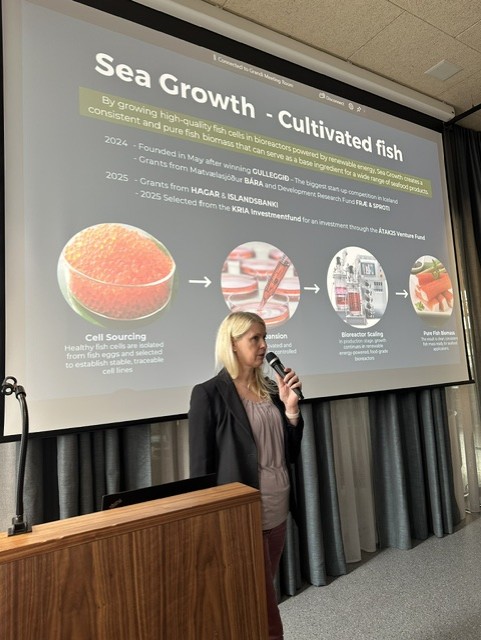
- Birgitta Ásgrímsdóttir presented Sea Growth , which develops scalable cultured seafood through proprietary cell technology and cost-effective production systems.
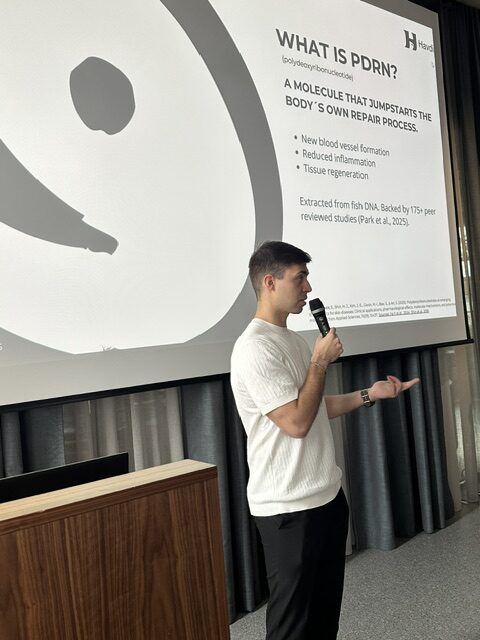
- Benedek Regoczi presented Havdis and provided insight into how PDRN, DNA fragments extracted from Atlantic cod with regenerative and repair properties, can be used in cosmetics and skin care products.
This provided concrete examples of how innovation and entrepreneurship drive new business opportunities in the seafood industry.
Learning from Icelandic aquaculture
Visits to Benchmark Genetics and presentations from Matorka and Arnarlax gave participants insight into how Iceland works with aquaculture.
- At Benchmark Genetics, the group learned about genetics' place in the aquaculture value chain and its role in improving fish health and production.
- Matorka presented land-based farming of Arctic char, with a focus on sustainable production and a controlled environment.
- Arnarlax provided an insight into sea-based farming and strategies for further development of the industry.
Through these presentations, participants gained closer insight into how Iceland combines technology, natural advantages, and sustainable solutions to develop a modern aquaculture industry.
One of the highlights was the visit to Iceland Ocean Cluster where the participants gained closer insight into 100% Fish , which is about utilizing the whole fish.
The program concluded with a visit to Marel , a global technology provider to the seafood and food industry, where participants saw how advanced technology and automation contribute to efficient production and better resource utilization.
New knowledge, networks and relationships
Through this Seafood Next module, participants have gained broad knowledge about how Iceland works holistically with innovation, sustainability and value creation. This has provided insight and new relationships that will be important for the further development of the Norwegian seafood industry.
The visit to the Norwegian Embassy in Reykjavik was a valuable meeting place between representatives from various Icelandic and Norwegian seafood companies that will contribute to further strengthening the relations between our two countries.
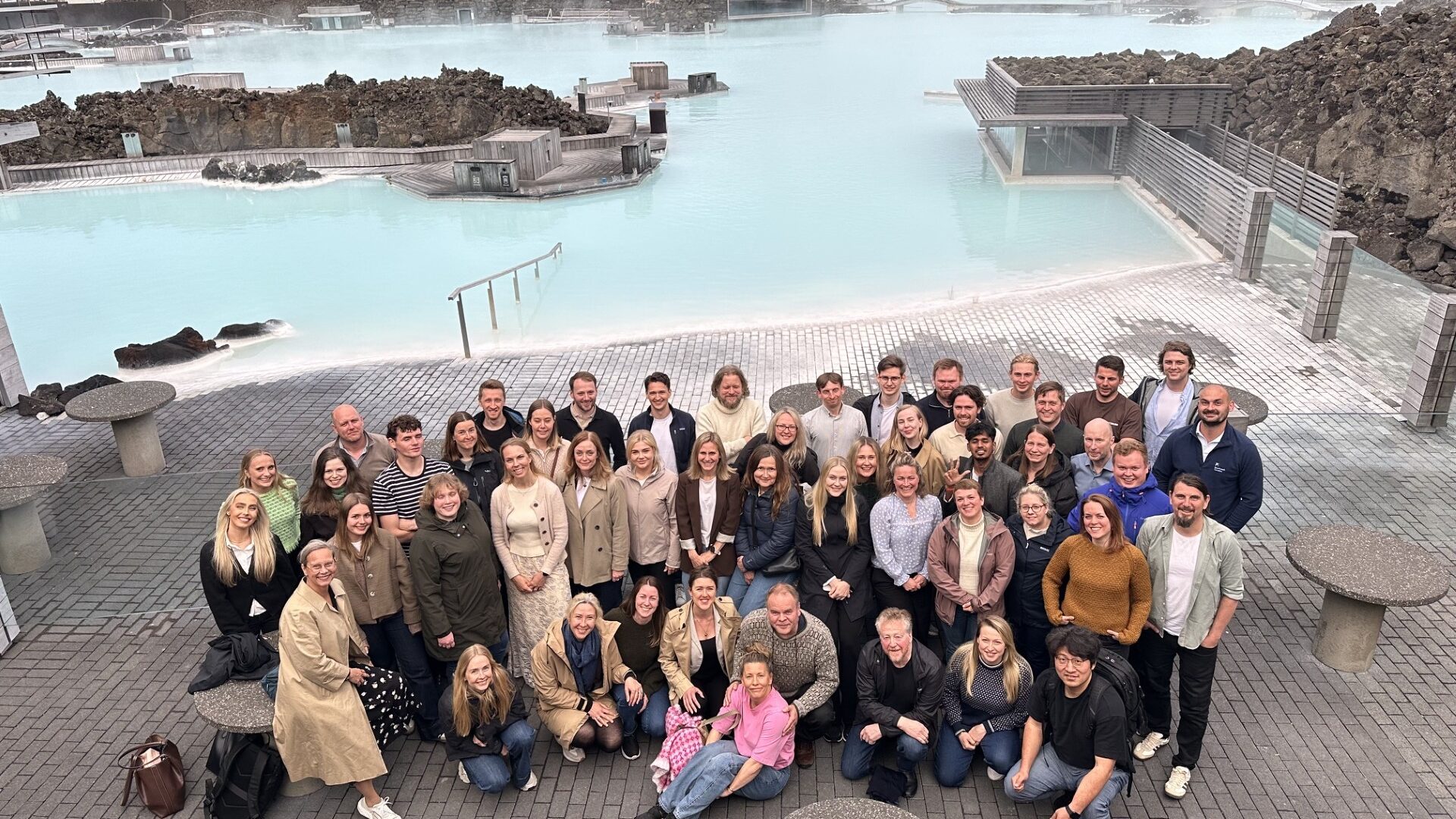
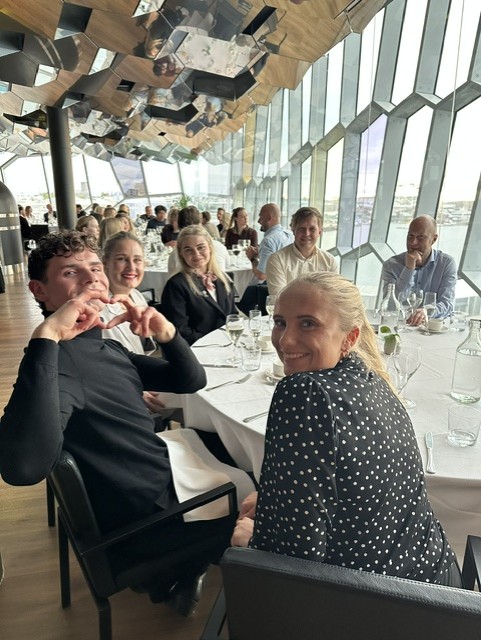
In addition, this has been an important arena for building relationships within the group. Through three days of close contact – both professionally and socially – the participants have strengthened their network within the group, exchanged experiences and established new relationships that can provide value far beyond the program.
The Seafood Next program shows once again how important it is to build networks across companies and disciplines!