Preparedness in aquaculture: Can the industry keep operations going during crises?
Preparedness and resilience must be given greater attention if the industry is to be equipped to handle future challenges.
The Norwegian aquaculture industry is one of the country's most important industries of the future and plays a central role in the global food supply . At the same time, the industry is dependent on long and complex value chains, technology, energy and international trade to keep the wheels turning. This development has made aquaculture more than just an industry. It has increasingly become part of society's overall supply and emergency response system. But how robust is the industry if a serious crisis affects critical functions?
What happens if feed deliveries stop for several weeks? Or if a large-scale cyberattack paralyzes important operational systems?
The aquaculture industry has traditionally had a strong focus on fish health, biosecurity and biological risk management, which remain crucial areas today. At the same time, the world picture has changed significantly in recent years, and new questions arise: What is the overall preparedness? Is the industry adequately prepared for events that affect supplies, technology and critical infrastructure?
In this year's Ocean Speech 2025, Director of Marine Research Nils Gunnar Kvamstø highlighted precisely this issue:
“ War and conflict are a joker in the system that we must deal with to a much greater extent. ”
It is high time that these issues are raised higher on the agenda. Preparedness and resilience must be given greater attention if the industry is to be equipped to handle the challenges of the future.
An industry dependent on global supply chains
Approximately 90% of the ingredients used in today's Norwegian fish feed, from fishmeal to soy concentrate, are imported from other countries. This has been an important prerequisite for growth and efficiency in the aquaculture industry, but at the same time raises important questions about vulnerability and security of supply.
The need for feed is increasing in line with the growth of the aquaculture industry. At the same time, it is a national goal to reduce dependence on imported raw materials and increase the production of Norwegian feed ingredients. Several of the traditional marine raw materials, such as fishmeal and fish oil, are already being exploited to their maximum potential. This makes the need to develop new and sustainable raw material sources increasingly greater.
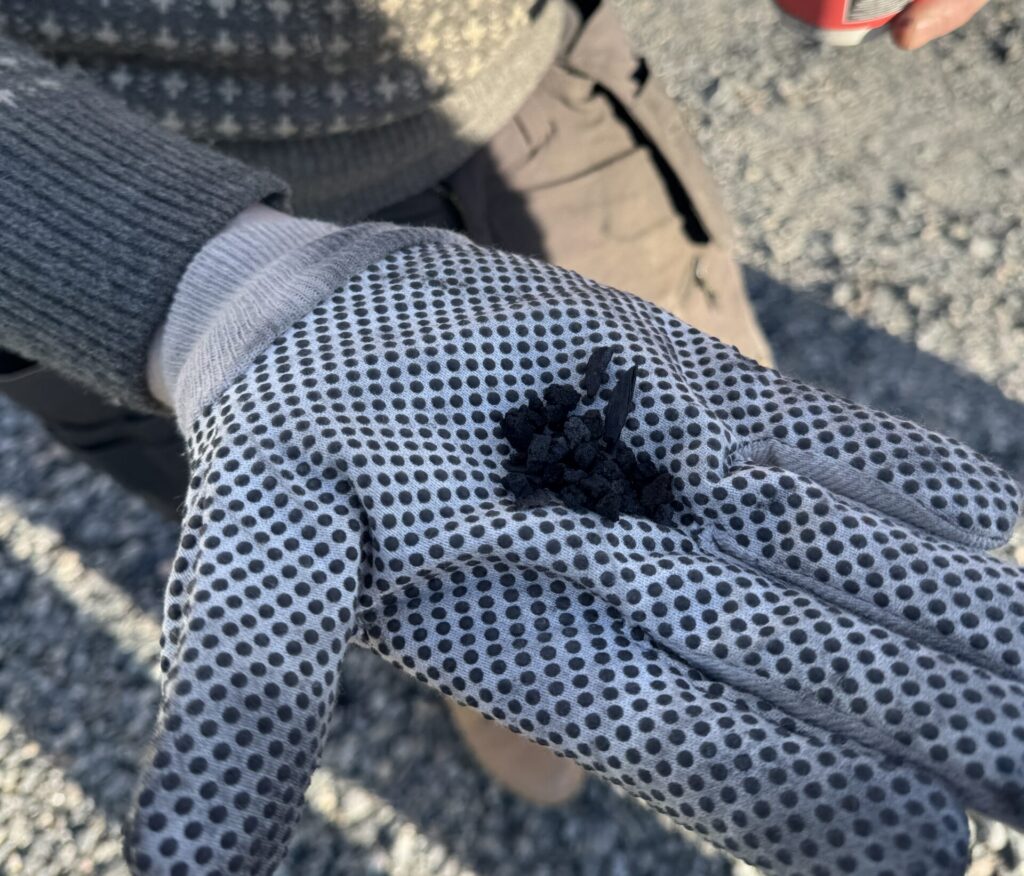
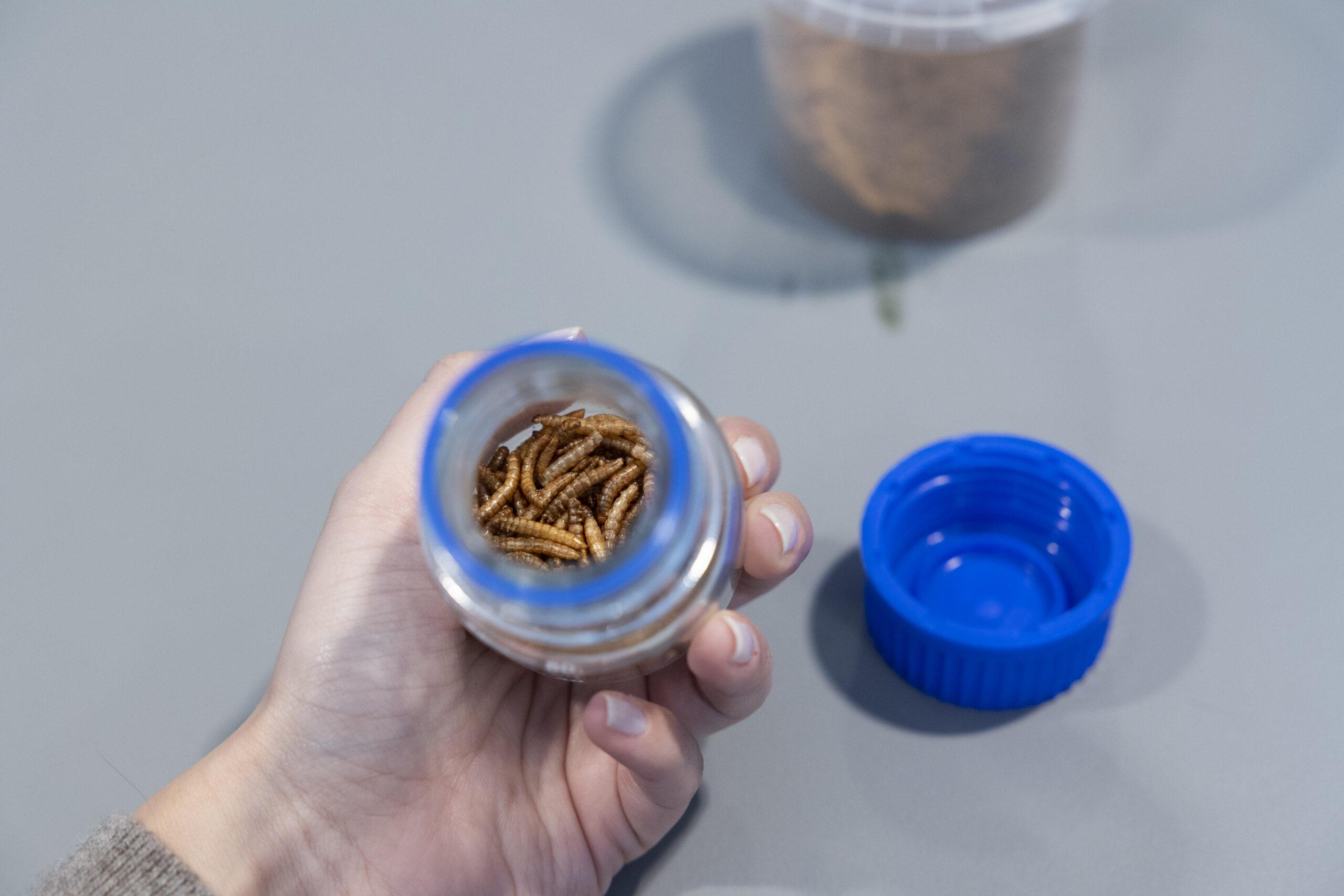
Therefore, attention is being focused on alternative feed sources that can reduce import dependency and make the value chain more resilient. This involves exploring the potential of currently underutilized feedstocks, including insect meal, microalgae, mesopelagic fish and chicken meal. These alternatives can help reduce import dependency and make the aquaculture industry better equipped to deal with future disruptions in global supply chains.
The industry also possesses unique expertise in genetics, fish health, offshore farming and automation. This knowledge has been built up through significant investments over several decades and represents great commercial value. Research results, genetic databases, technology development and operational data can therefore be attractive targets for both commercial actors and foreign states wishing to reduce their own development costs, acquire strategic knowledge and strengthen their competitiveness.

Digitalization creates new vulnerabilities
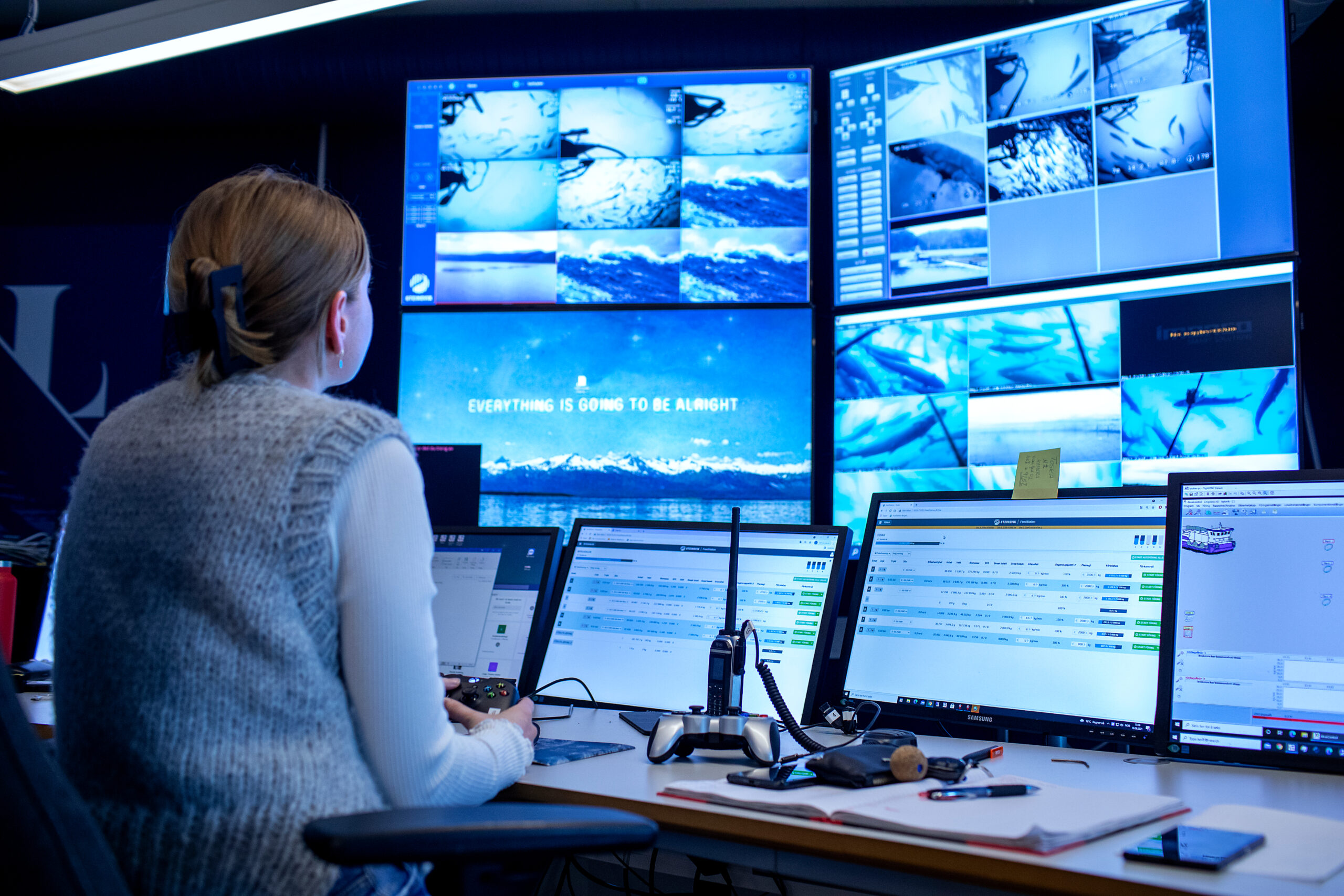
As security of supply is challenged, the aquaculture industry is becoming increasingly digitalized. Modern aquaculture facilities are increasingly dependent on advanced control systems, automation, sensors and digital communication to ensure efficient and safe operations.
Digitalization provides major benefits in the form of increased control, efficiency and production management, but at the same time makes the business more dependent on stable digital systems.
What happens if central digital systems become unavailable as a result of technical failures, sabotage or cyberattacks? Are there alternative routines and sufficient expertise to maintain critical functions if monitoring and control systems are put out of operation? Modern aquaculture depends on an extensive network of suppliers, including IT companies, automation providers, cloud service providers, service vessels, well boats and consultants. Many of these often have access to critical systems and information. Comprehensive control over supply chains and digital interfaces is therefore an important prerequisite for strengthening the industry's security and preparedness.
For many businesses, these questions have become a natural part of the risk picture. Nevertheless, there is reason to discuss whether emergency preparedness efforts are evolving in step with technological developments. As the industry becomes increasingly dependent on digital solutions, the need for robust systems, good backup procedures and emergency preparedness that is adapted to a more complex threat landscape also increases.
Preparedness must be more than a plan
Emergency preparedness is about much more than documents and procedures. It must be embedded in the organization through risk understanding, competency building, exercises and concrete measures that strengthen the ability to handle unforeseen events. When a crisis occurs, the room for maneuver is limited. The ability to maintain operations and limit the consequences is therefore largely determined by the preparations that have already been made.
The Norwegian aquaculture industry has demonstrated an impressive ability to innovate and adapt over several decades. In a more unpredictable world, the same ability must be directed towards strengthening the industry's robustness and preparedness. Future competitiveness will not only be determined by growth, technology and production efficiency, but also by the ability to handle crises and maintain socially important functions under demanding conditions. The question is therefore not whether the next crisis will come, but whether the industry is prepared when it does.
That is precisely why we are putting preparedness and safety in aquaculture on the agenda on October 22. Through professional presentations, exchange of experiences and discussions, we want to shed light on how the aquaculture industry can reduce vulnerabilities, strengthen its resilience and ensure stable operations in the face of an increasingly complex and unpredictable risk picture.