Mussels: Nature's kind egg for sustainable feed production
We can use nature's technology
Nutrients such as phosphorus and nitrogen flow into the ocean and become diluted. The nutrients create problems such as eutrophication and algal blooms in the ocean.
– We must use nature to collect these valuable nutrients again, says project manager at BlueMusselFeed, Hilde Schøyen.
Mussels are very efficient filter organisms. Filter organisms are nature's own technology that collects nutrients in the ocean.
“Mussels have properties that we should learn to use. They filter the ocean and convert nutrients into raw materials that are well suited as feed ingredients,” explains Hilde.
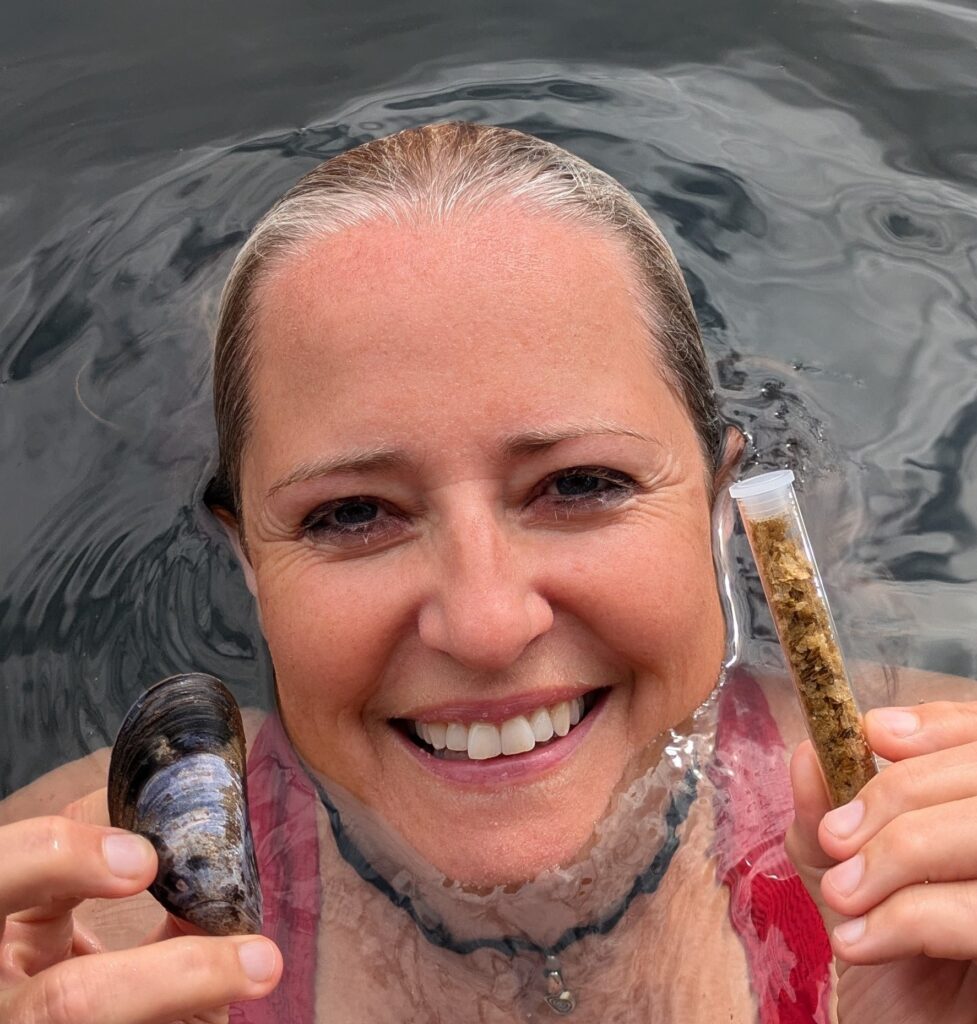
Mussels are like a kinder egg
Mussels have many good properties as a feed ingredient for both chicken and salmon.
– Mussels are like a kinder egg, and are very suitable as an ingredient for animal feed. The mussel meat itself contains a lot of good quality protein. Mussel protein is a good nutritional alternative to soy. The shell is suitable as a source of calcium. In addition, mussels contain healthy omega-3 fatty acids. And last but not least: mussels have a taste that both chicken and salmon like, explains Hilde.
A goal of increased production of Norwegian and local feed ingredients
Norway is far from self-sufficient in protein raw materials for animal feed today. By using mussels as a locally produced feed ingredient, we can become less dependent on imports.
– In BlueMusselFeed we are investigating how mussel protein can be used in feed for broilers. We want to contribute to reducing imports of soy and increasing self-sufficiency in Norwegian feed ingredients, says Hilde.

Cultivating mussels is an efficient use of land
Mussels are promising from the perspective of the most efficient use of land.
– Mussel farmers estimate a yield of 5 tons of mussels per acre of sea surface per year, which provides approximately 150 kg of pure mussel protein. In comparison, grain cultivation in Norway provides about half this amount of protein per acre of land surface, says Hilde.

A more sustainable food system
As a project manager, Hilde is driven by a desire to contribute to the most sustainable food system possible.
– We must learn to use nature's own technology to collect nutrients in the ocean. Mussels are a robust and effective solution for getting nutrients that have been diluted in the ocean back into the food system. Mussels can be part of the solution for even more sustainable food production in Norway, says Hilde.
Mussels unite aquaculture and agriculture
A very important advantage of a feed raw material that both land animals and fish can eat is that more people are motivated to realize it. In agriculture, we are used to thinking about balance in nutrient cycles, and cultivating the soil, year after year. We can contribute this experience when we are going to establish large-scale cultivation of protein raw materials in the sea. Blue industry has expertise in working in the sea, which is a significantly more demanding medium than land.
– BlueMusselFeed unites sea and land in an integrated value chain. Together we are stronger, concludes Hilde.
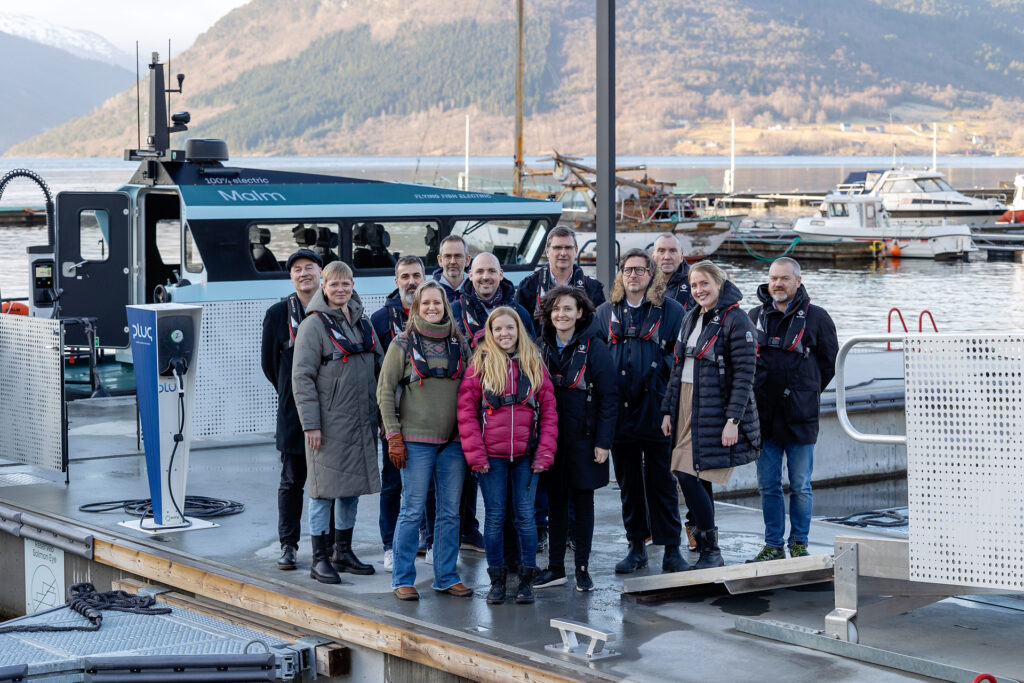
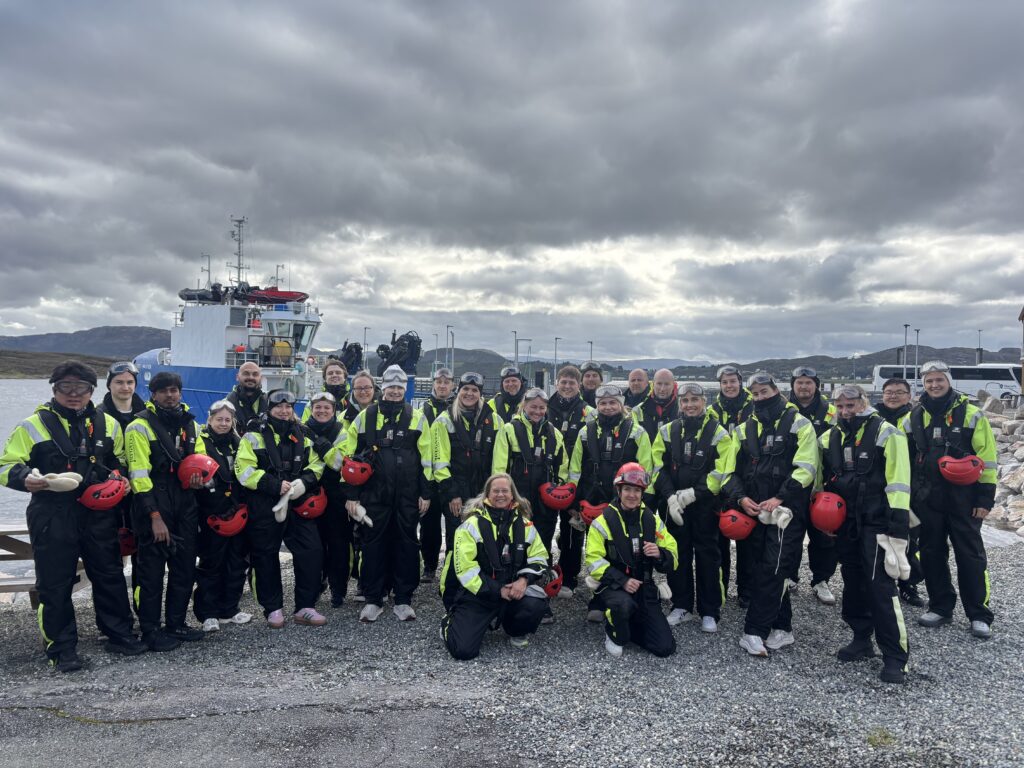
Photo Silje Robinason: The BlueMusselFeed project brings together stakeholders from across land and sea. All are represented at the Kick-off in Rosendal.
The partners in the project are: Fiskå Mølle, Lerøy Ocean Forest, Eide Fjordbruk, Nortura, Animalia, NMBU and Land meets sea.