Bolaks in the spotlight at the One Ocean Conference
Depending on large and small
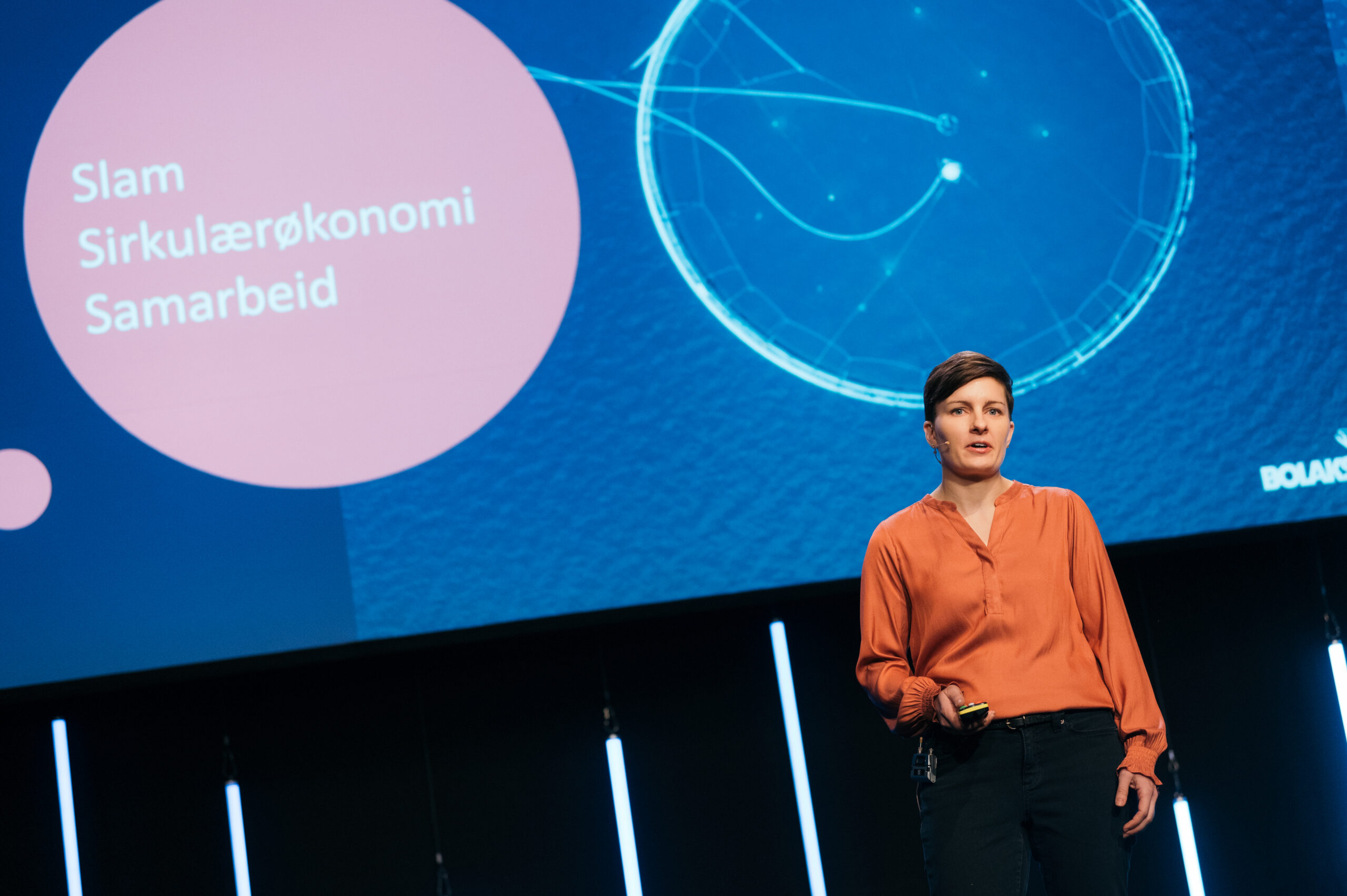
Lohne emphasized that companies large and small must dare to take the lead in realizing innovation. This often involves a higher degree of risk, and many in the industry prefer to follow rather than lead. A key message was that sustainable innovations require cross-industry collaboration and a shift in mindset. She points out that the aquaculture industry is generally far ahead in sustainability and reporting, but here too many aim to be “a good No. 2.”
A separate project
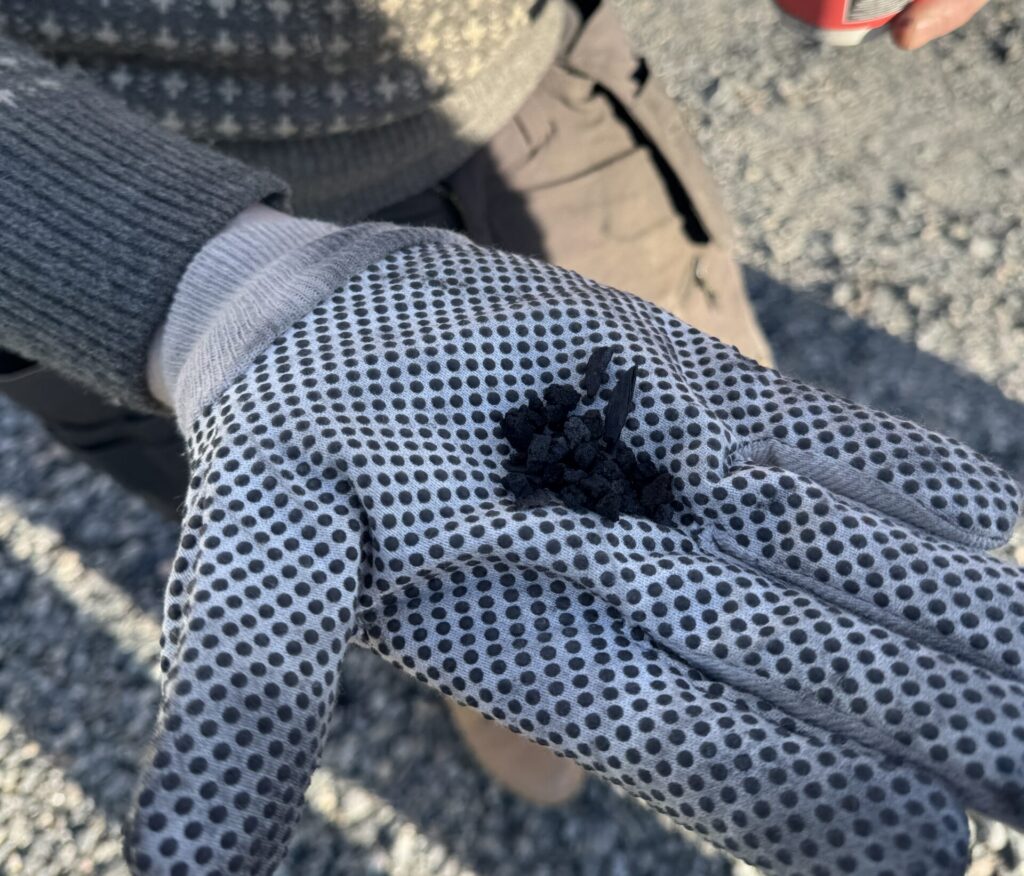
Bolaks has separated a separate project, where they want to establish an industrial symbiosis where circular sludge management is a central part. This is done together with other players in the value chain, including Blue Ocean Technology, as well as research and innovation environments through Land meets Sea by Elise Sæle Dahle. We have also linked up with good expertise in biochar and industrial symbiosis through GreenHouse by Jørn Erik Toppe. The project is funded by Vestland County Council.
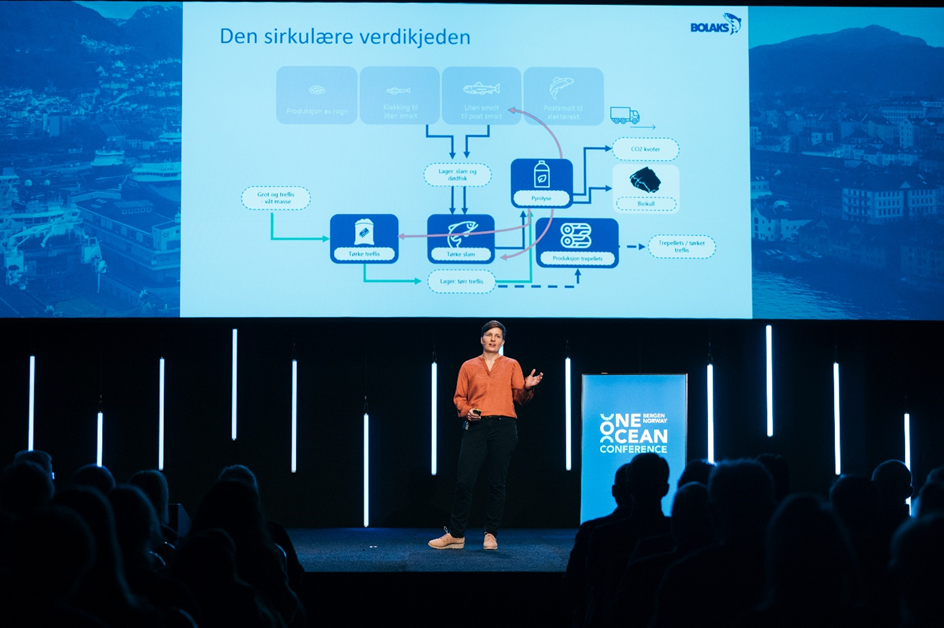
"In the project, we are investigating different circular paths that the sludge can take, and looking at the scale and sustainability benefits of different solutions. Part of the point of establishing an industrial symbiosis is that the resource needs of different local actors and residual raw materials match, and in the industrial area where we are planning a post-smolt facility, there is also a timber quay" - Siri S. Lohne
It is still experienced as demanding and risky to realize such an idea. Raw material resources and needs between different actors must match, a business model must be found that works, and one is dependent on good agreements between those involved in the symbiosis. Nevertheless, the possible upsides of thinking circularly in a symbiosis are potentially large.
Easy to identify risks
It is easy to identify risks, both existing and additional risks associated with new innovative solutions that no one has proven in practice before. But on the return side of the equation, you usually find more uncertain future earnings and good sustainability values that do not fit into Excel, says Lohne.
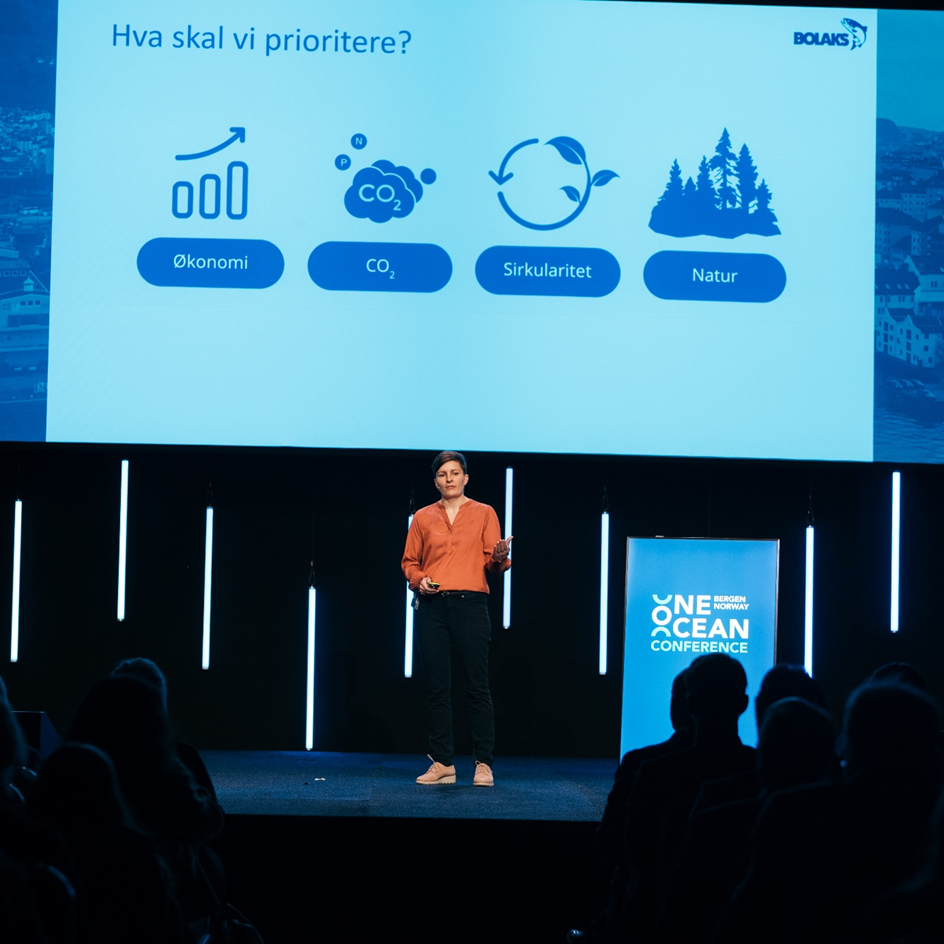
She also points out that it is challenging for a decision-maker to weigh different sustainability goals against each other. For example, what is most appropriate for sludge, to reduce the CO2 footprint in the atmosphere through the biochar alternative where carbon storage is achieved, or is it better to spend a little extra CO2 on shipping to contribute to a larger circular value chain where pure phosphorus is recovered as Ragns-Sells describes? Siri believes that the best thing would be if different alternatives could grow, and that diversity would also be good for sustainability. For the overall success of the transition, she believes that good incentive schemes will be important to balance out the increased risk of taking the lead.
Want to read more? Click here!