Circular solutions in Iceland
Iceland has a long tradition for fisheries and has built its prosperity on fisheries and fish exports. Through the last few decades, the Icelandic marine and seafood industries have also been at the forefront of the field circular economy.
- For me, the most inspiring take-away from the trip is the high degree of utilization of raw material in the Icelandic seafood industry as well as the creativity to develop new products from what is often looked upon as waste elsewhere, says Cathrine Gravdal, administration manager at NCE Seafood and program manager for Seafood Trainee.
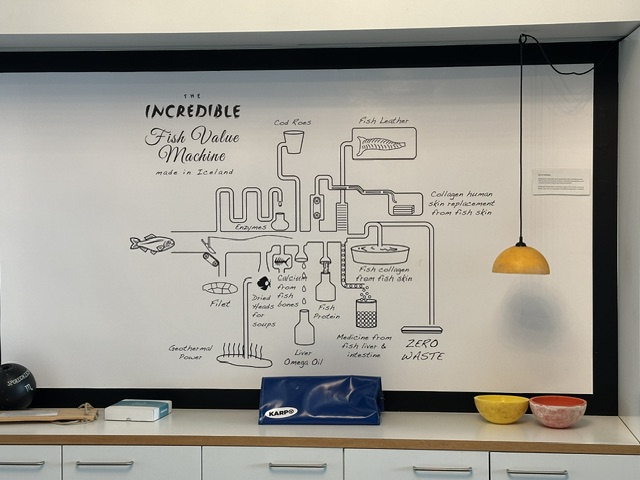
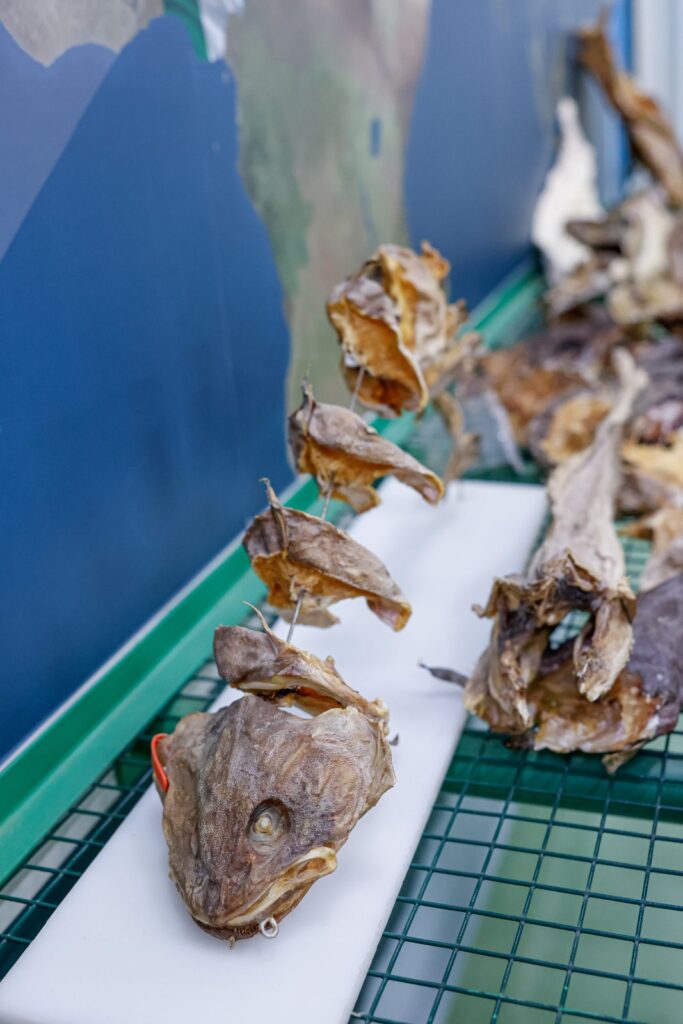
A high degree of utilization of the raw material is characteristic for the industry, with close to 100% utilization within the cod fisheries.
Getting to know the industry
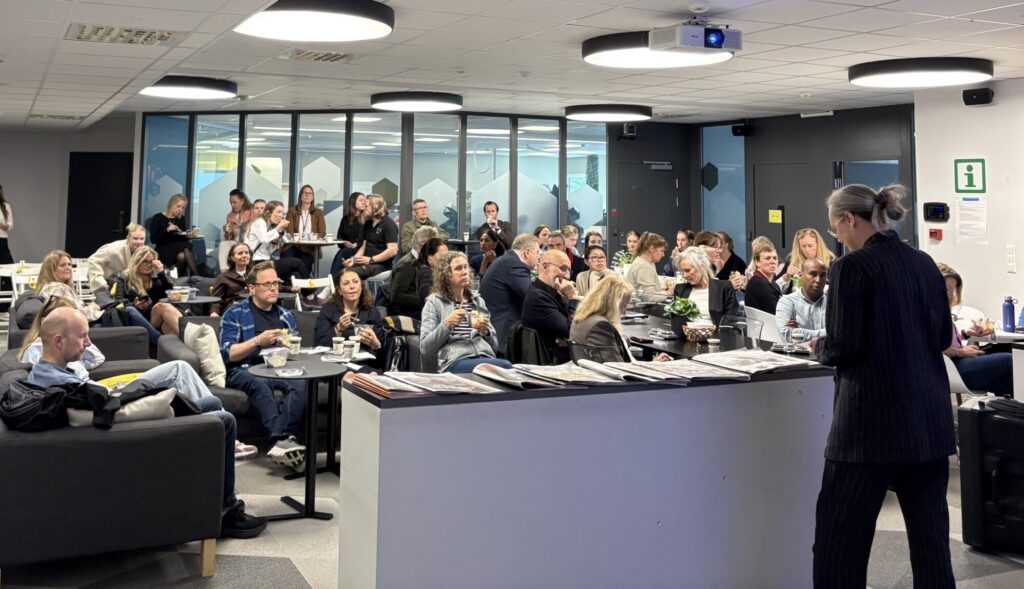
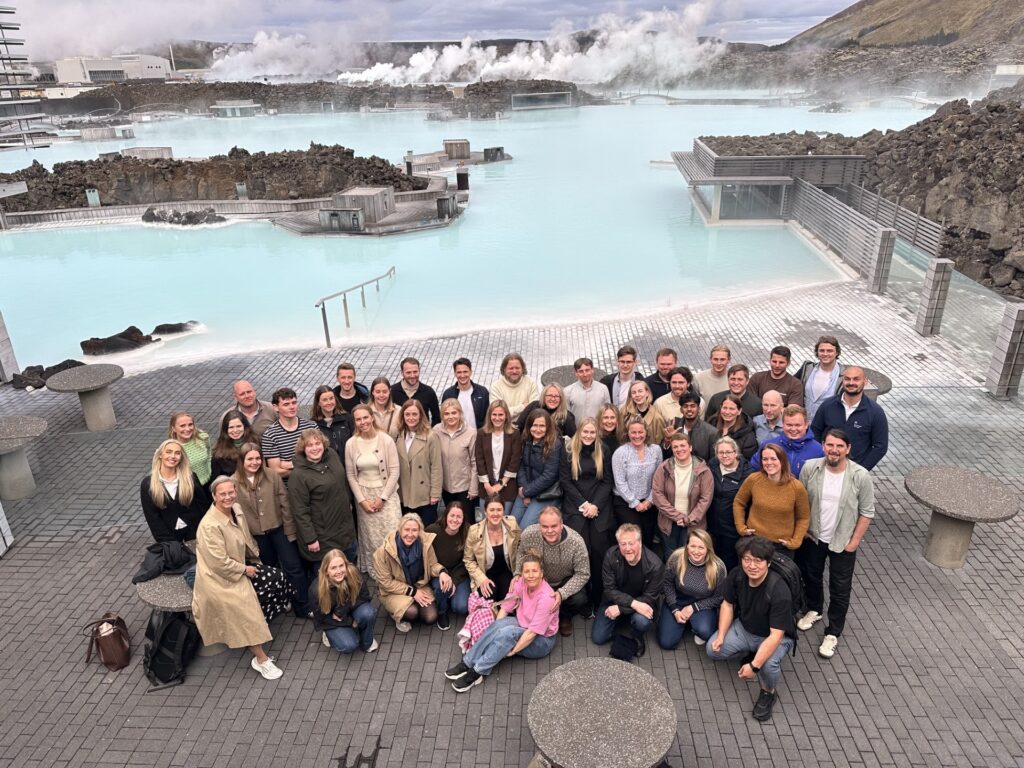
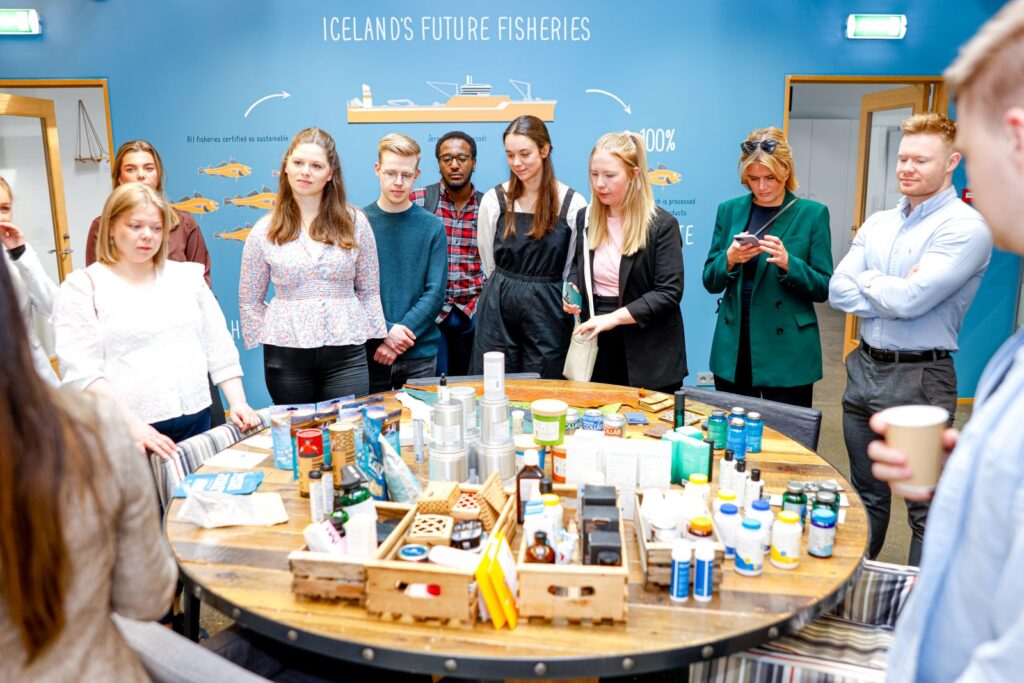
As a result, Iceland is home to multiple seafood companies and alternative marine product companies. Seafood Next and Seafood Trainee got an introduction and visited some of them. Among others, the Iceland Ocean Cluster , which the program is planned together with. One of the Ocean Cluster's goals is to inspire the seafood industry to utilize more of the fish – a project called the 100% Fish Project.

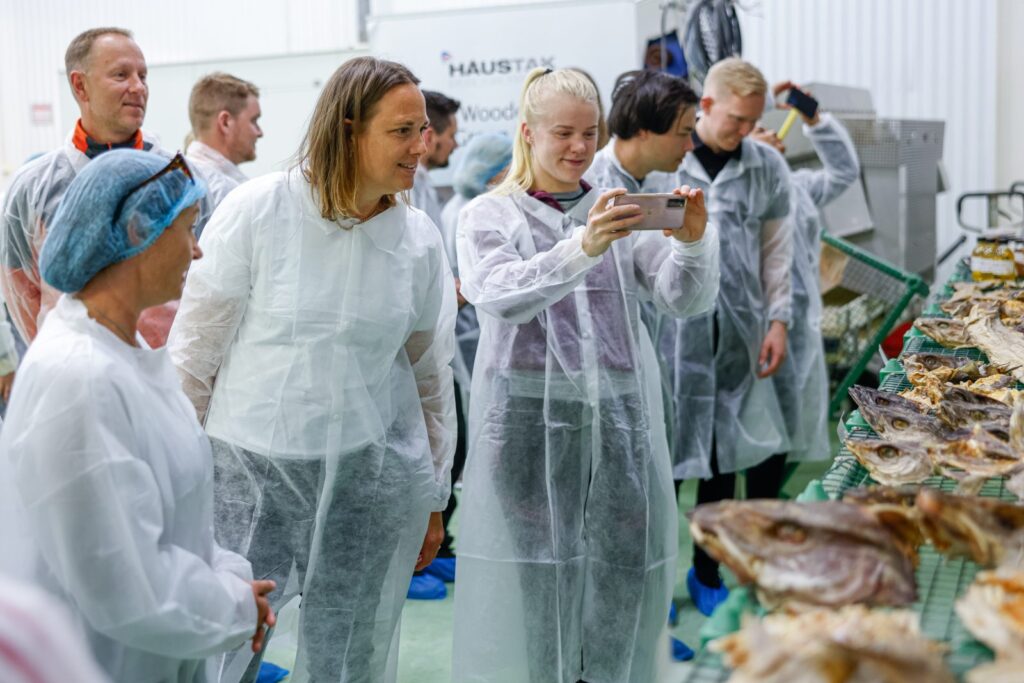
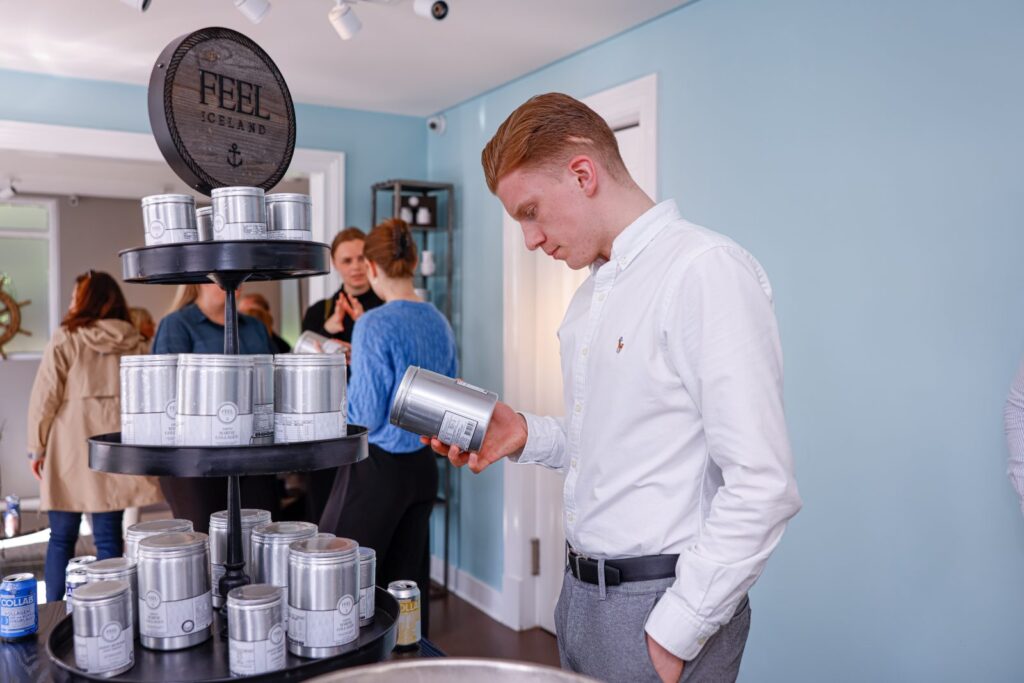
In several of the meetings with other companies, the attendees got to see innovative examples of how more parts of the fish can be used. For instance, they got to see clothes made from fish leather and lamps made from dried fish. They also tried an energy drink made of collagen from fish, and visited Haustak , which produces and delivers dried fish products for the Nigerian market.
In other words, the participants got to experience how the seafood industry is working towards circular solutions and lower waste across the value chain. Iceland has in fact been known for a long time for deep cooperation across commercial, entrepreneurial, and R&D fields.
- The Icelandic marine and fishing industry have managed to upcycle so much of the previous waste resources and display broad collaborations to succeed in transforming to a circular economy model for the marine industries, says Cathrine Grave valley.
Building competence
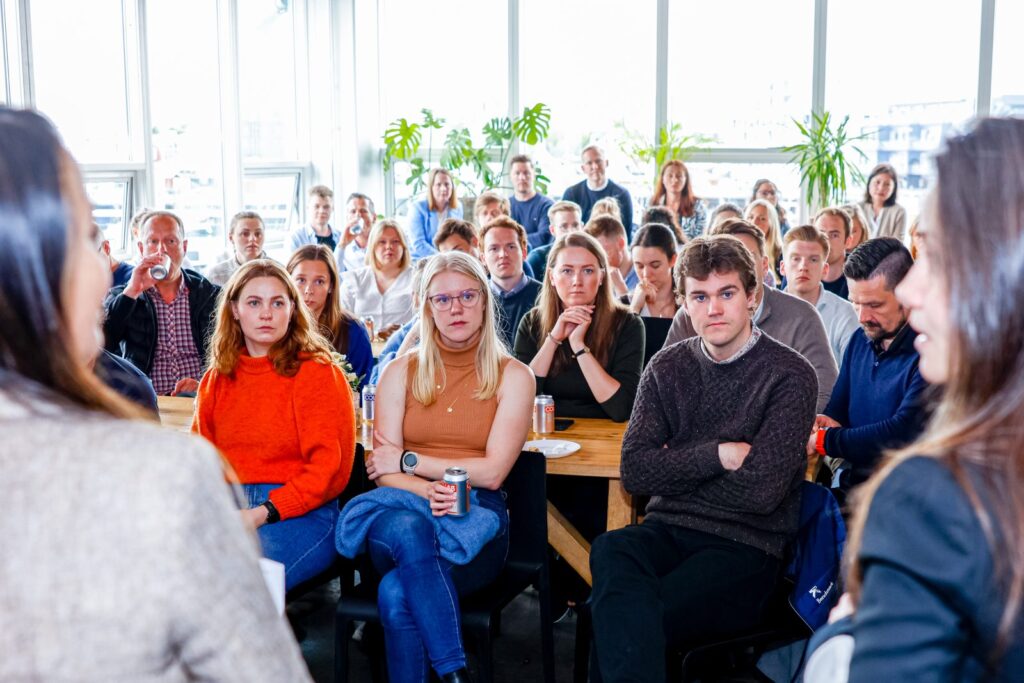
Both collaboration and circular solutions are important for the future of the seafood industry. The insight from Iceland is therefore relevant for the trainees and the participants of Seafood Next in their upcoming work in the different parts of the industry. Facilitating competence development and knowledge sharing about circular economy and circular solutions is one of NCE Seafood's focus areas, and this trip was a good opportunity to do just that.