Does salt hinder circular value chains in aquaculture?
The project is completed - here are the main findings.
Large quantities of fish sludge from Norwegian aquaculture contain valuable nutrients and carbon that are currently largely lost. At the same time, there is an increasing need to make better use of resources and develop circular value chains that can contribute to both climate change mitigation and increased resource efficiency. The project “Does salt hinder circular value chains in aquaculture?” has investigated whether fish sludge from the seawater phase can be converted into biochar, and how the salt content affects the possibilities for further use.
The project builds on previous work on industrial symbiosis from land-based aquaculture, where salt was identified as a potential barrier to circular utilization of fish sludge. The goal has been to understand how salt affects both the pyrolysis process and the application of biochar in agriculture and other applications.
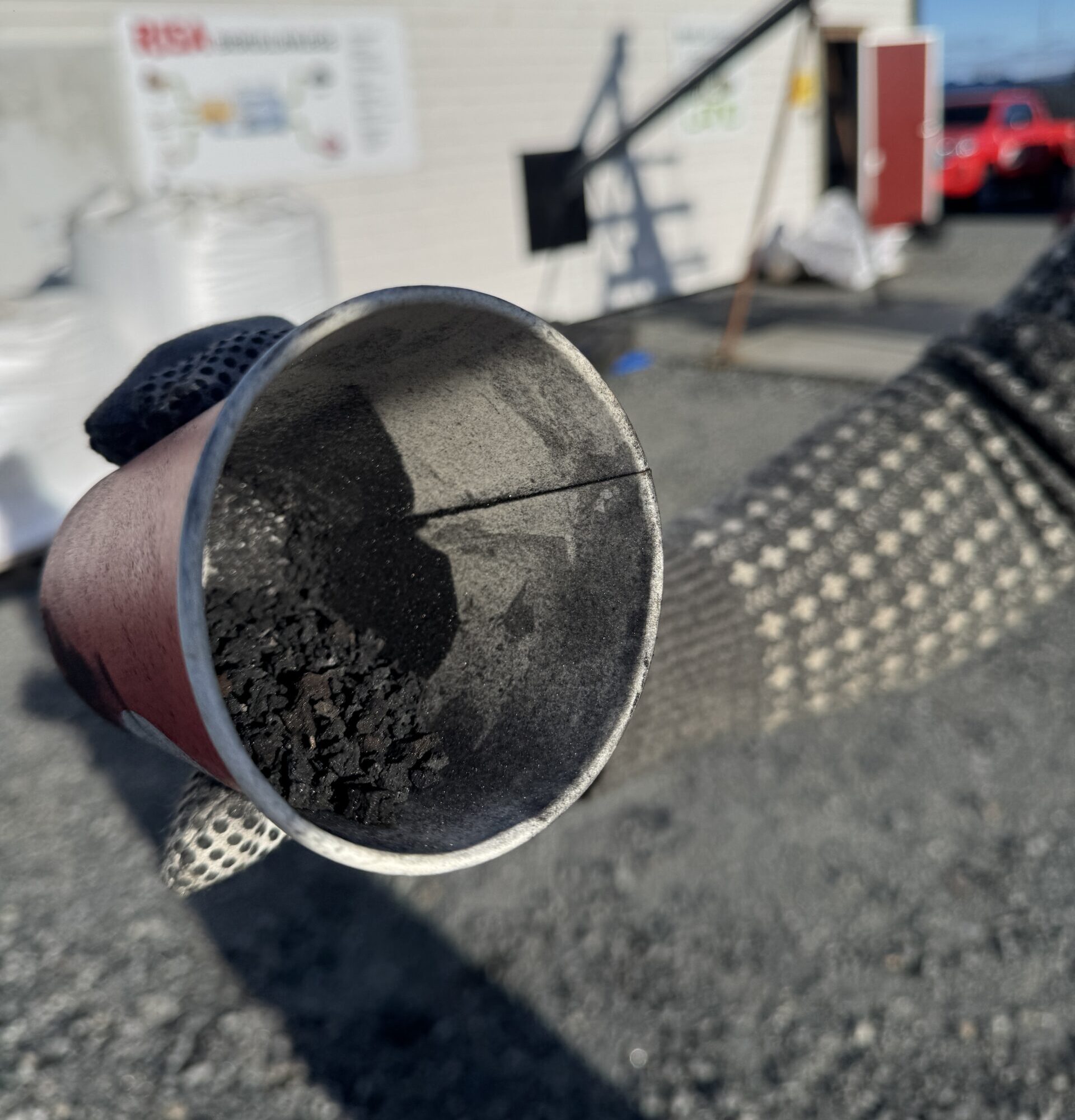
From fish sludge to biochar
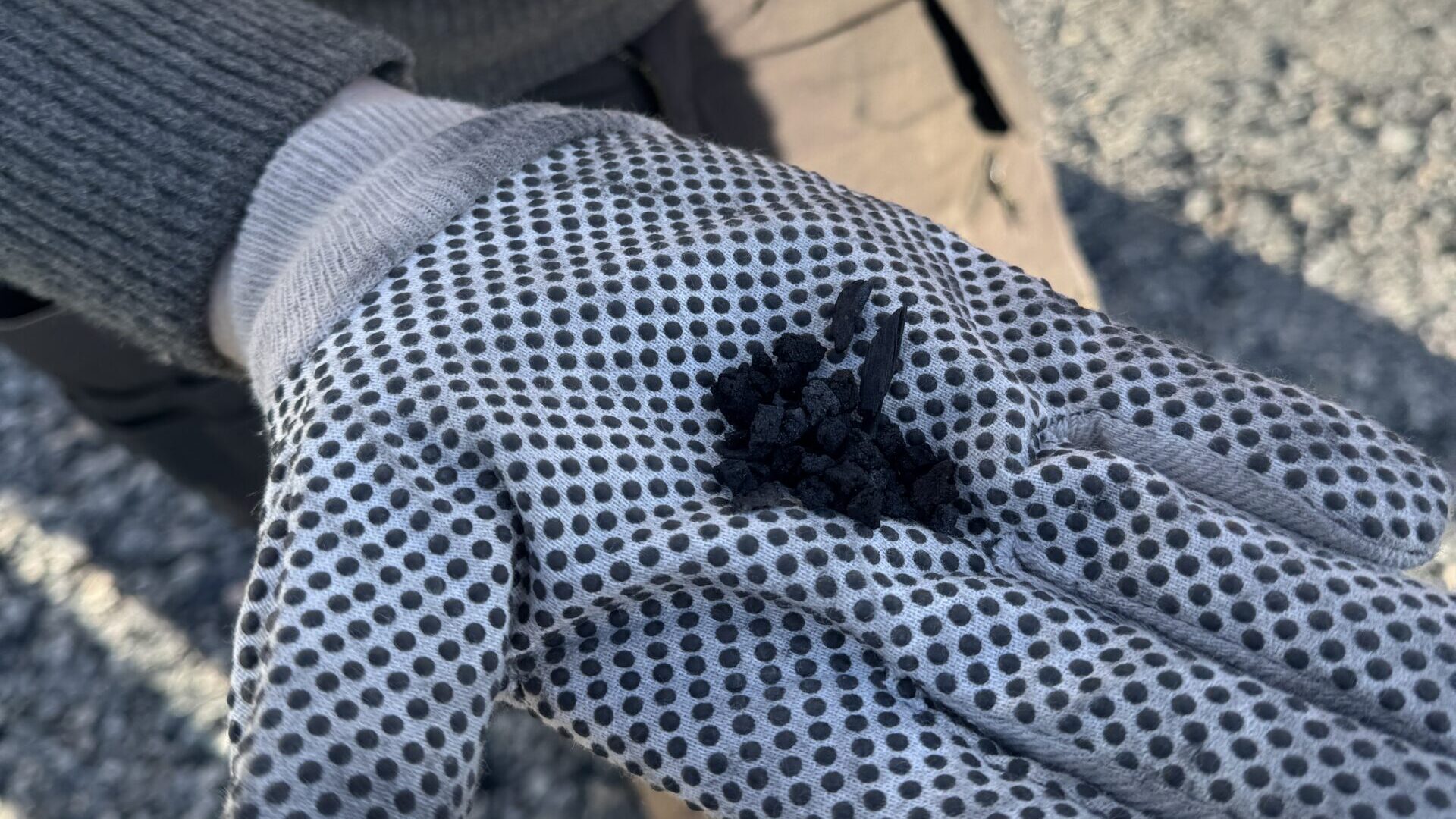
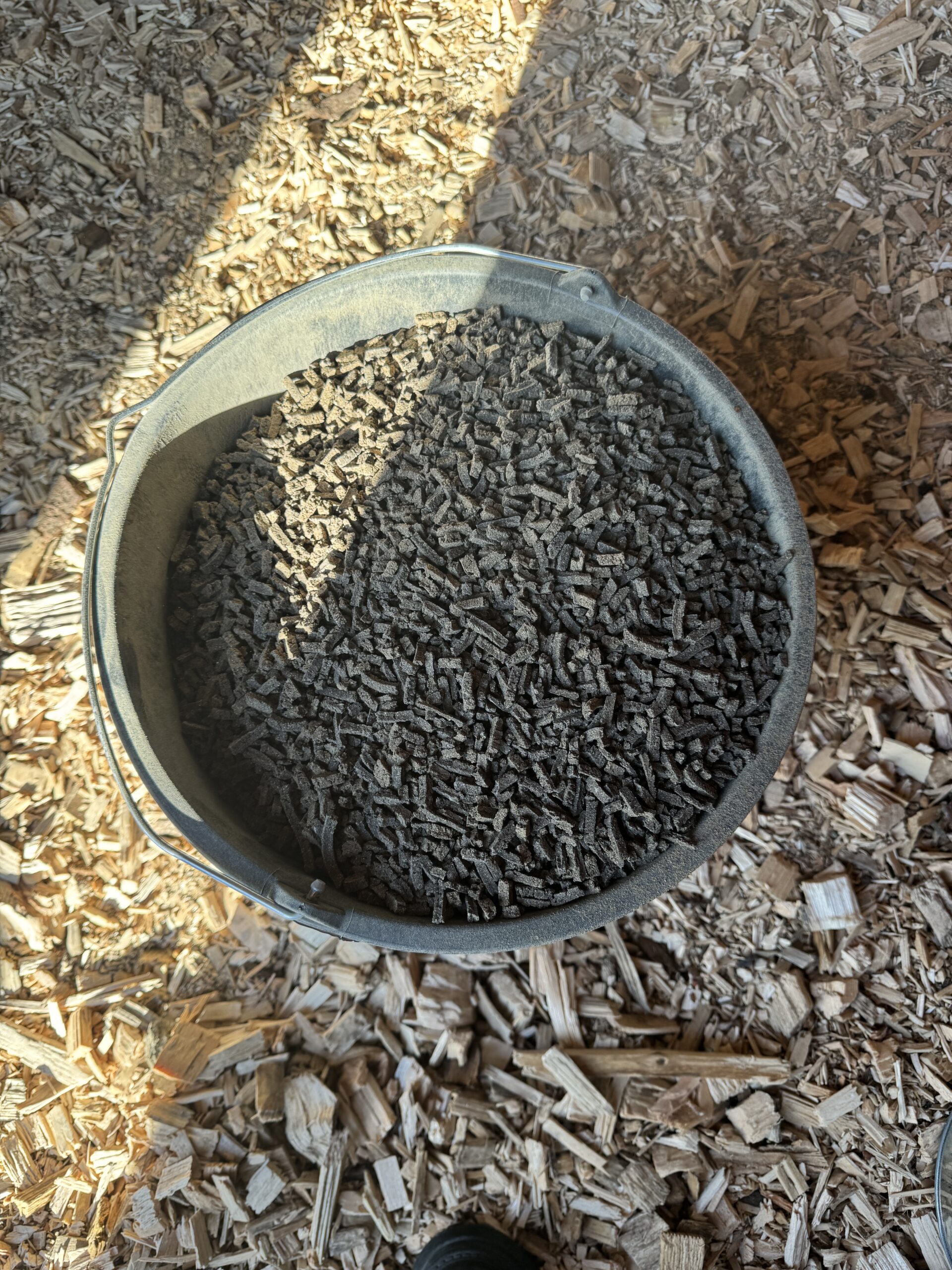
A central part of the project was to test pyrolysis of dried fish sludge. Pyrolysis converts organic material into energy, gas and biochar.
The tests showed that fish sludge behaves differently than traditional raw materials such as wood chips, where pyrolysis is a common processing method. The sludge had a higher density and a significantly higher energy content than expected. During the test run, strong glassification and heat generation were observed, indicating that fish sludge can be a very energy-rich resource, but also that pyrolysis plants must be adapted to this type of raw material.
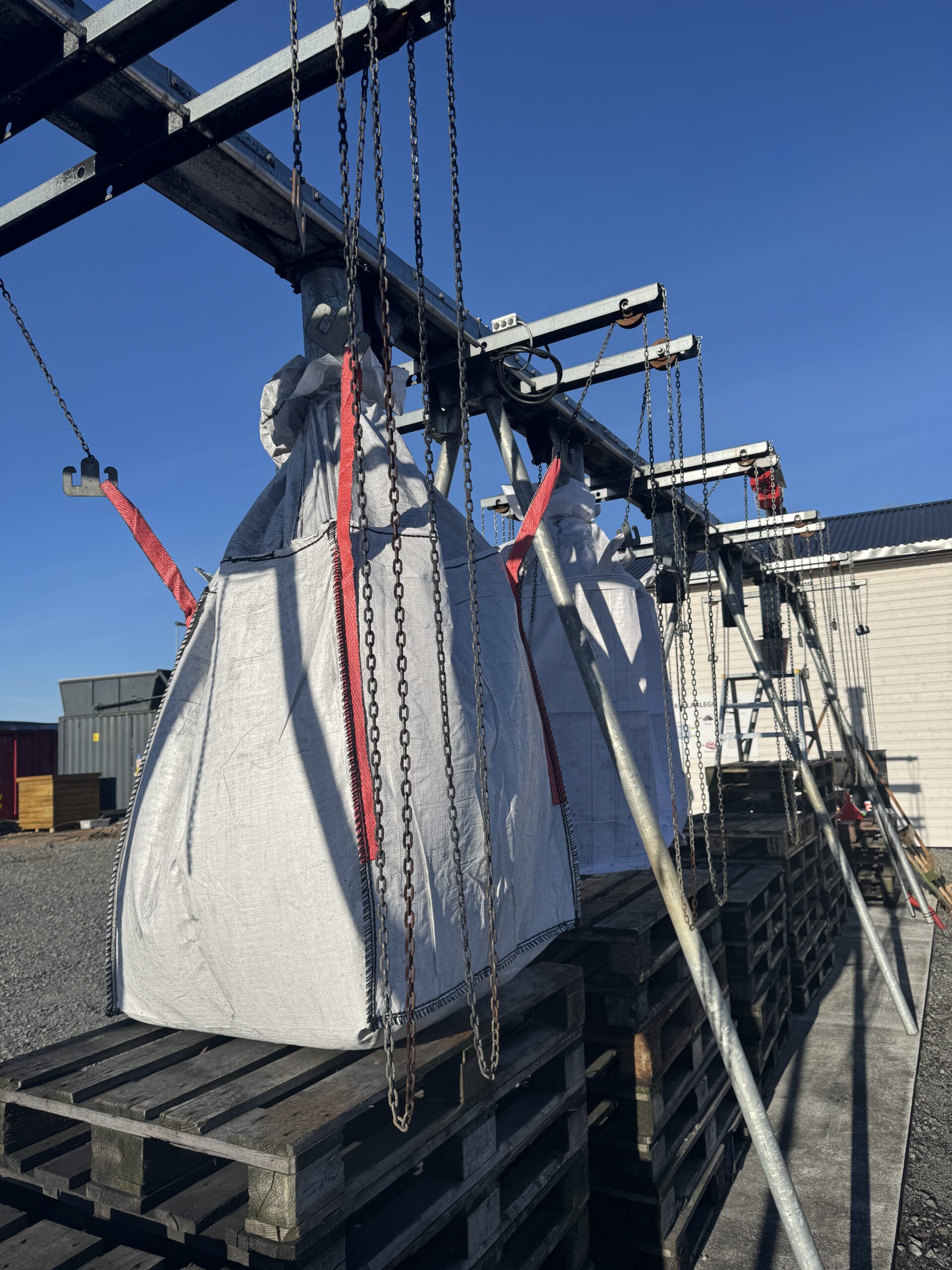
At the same time, the volume was significantly reduced through the process. A full big bag of dried sludge was converted into a small amount of biochar, which provides obvious advantages related to transport, storage and further handling.
A resource rich in carbon and phosphorus
The analyses of the fish sludge showed high contents of carbon, nitrogen and phosphorus. In addition, the sludge had a surprisingly high calorific value. This confirms that fish sludge represents a significant resource, both as an energy carrier and as a source of important nutrients.
The biochar that was produced retained a large part of the carbon and nutrients. The phosphorus and calcium content was particularly high. The biochar also had properties that make it interesting as a soil improver and carbon store, including high water retention capacity and stable carbon structure. If charcoal from fish sludge can be used as a soil improver, this represents significant value for the development of circular value chains. It will make it possible to return carbon and nutrients from aquaculture to agriculture, while at the same time exploiting the potential of fish sludge as a resource far better than today.
The salt will continue.
The project's most important finding, however, was that the salt largely accompanies the pyrolysis process. Although the carbon is bound in the biochar, the salt does not disappear. Analyses still showed significant levels of sodium and chlorine in the final product.
This made it necessary to investigate how biochar affects plant growth.
Cultivation trials confirmed the challenge
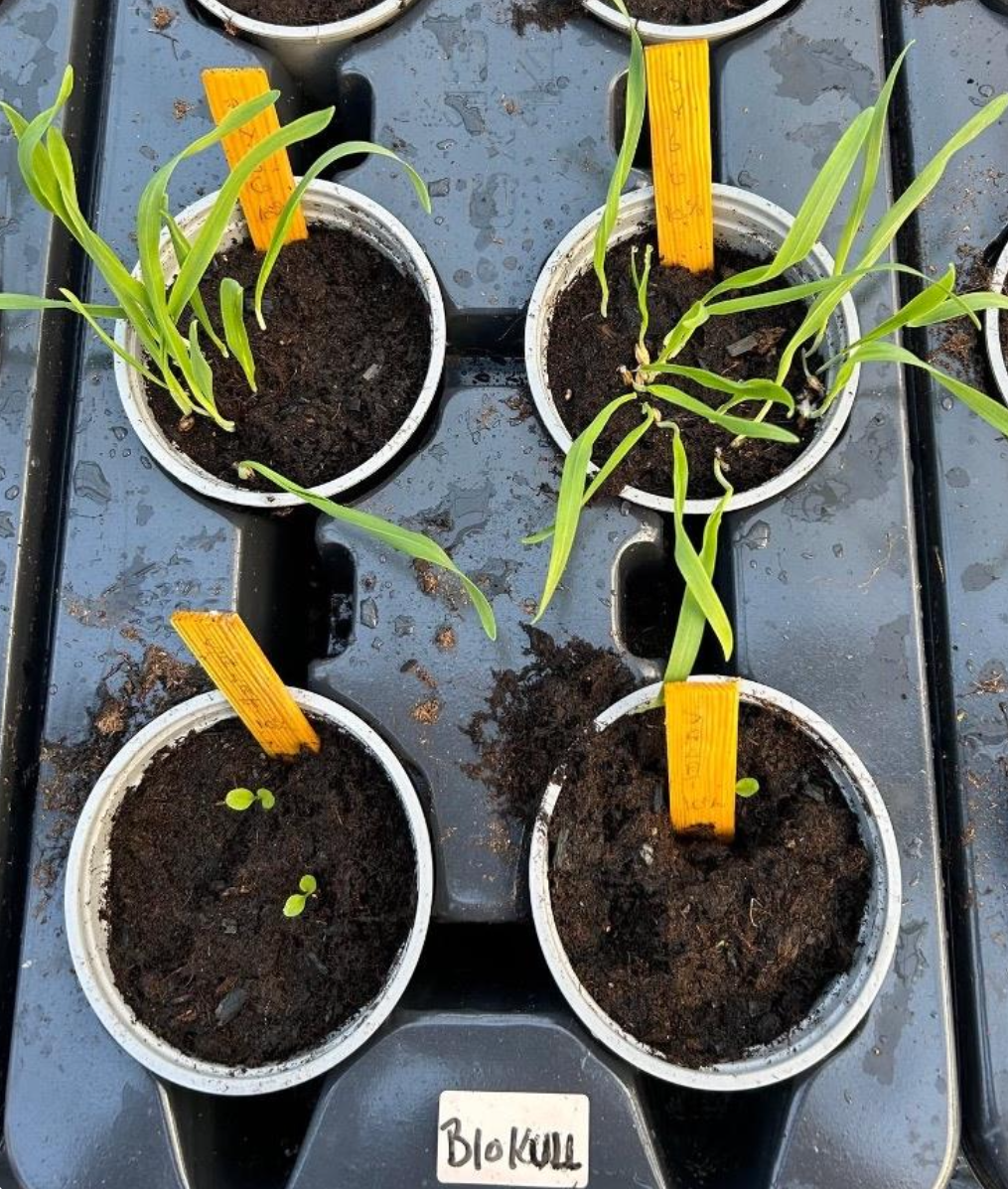
In collaboration with Toppe Gartneri, a cultivation trial was conducted with various crops, including barley, ryegrass, swede, kale and lettuce. The effects of biochar from wood chips, biochar from fish sludge with a moderate salt content and biochar from very salty fish sludge were tested.
The results were clear. Biochar from wood chips gave just as good growth as the control group. Biochar from highly salty fish sludge, on the other hand, gave almost no germination. For biochar from fish sludge with a moderate salt content, reduced germination and lower plant growth were recorded than in the control group, which suggests that the salt content negatively affects plant development. When the irrigation method was changed to aerated irrigation, growth improved significantly. This suggests that leaching of salt may be possible to reduce the negative effects. Barley and ryegrass showed the greatest tolerance to salt, while lettuce was among the most sensitive crops.
An important step towards circular resource utilization
The project shows that fish sludge has significant potential as a raw material in future circular value chains. Pyrolysis can contribute to carbon storage, energy recovery and the preservation of important nutrients such as phosphorus. At the same time, it has become clear that the salt content represents the biggest challenge that must be addressed before the solution can be used on a larger scale.
The way forward will therefore involve developing methods to reduce salt content, documenting variations in fish sludge from different productions, and investigating which areas of use are most suitable for biochar from marine-based farming.
The project has not provided a definitive answer to whether salt hinders circular value chains in aquaculture. However, it has provided a much clearer picture of the challenges and opportunities, and laid an important foundation for further development of circular solutions in the aquaculture industry.