How to solve challenges in the seafood industry
Now is your chance to prepare for the future through NHH's Executive MBA program, with a specialization in seafood management . The program has been developed in close collaboration with the seafood industry to ensure the highest possible relevance.
"In 2021, we received clear signals from our members and partners about a knowledge gap in the industry, especially aimed at managers. Therefore, we took the initiative to develop a dedicated master's program in seafood," says Fride Iversen, senior project manager at NCE Seafood.
"We worked closely with NHH to gather input and adapt the program content. The result was a competence initiative adapted to the needs of the industry."
The recently launched competency report by NCE Seafood shows that the knowledge required in the industry is evolving rapidly. Technology is advancing at a rapid pace, and managers need to be educated more broadly than before to be able to handle future challenges. – Fride Iversen, NCE Seafood
Meeting tomorrow's challenges
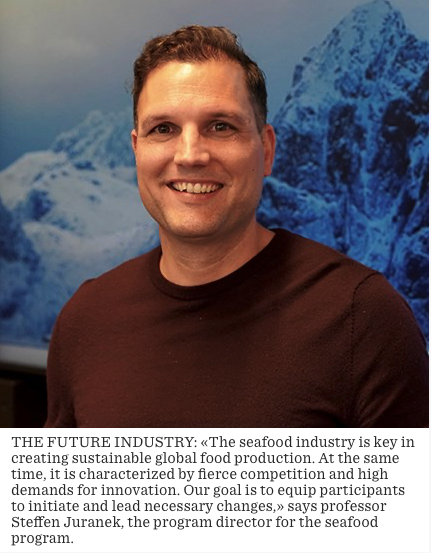
The program is highly relevant for anyone who wants to be at the forefront of developments. NHH professor Steffen Juranek , who is responsible for the seafood program, believes that the specialization fills an important need for expertise in an industry with great growth potential.
"The EMBA program provides participants with up-to-date research and applied knowledge that they can use to solve challenges in the industry, whether it concerns sustainability, technology or new operating models." – Steffen Juranek, NHH Executive
– The seafood industry has a key role in creating sustainable global food production. At the same time, it is characterized by fierce competition and high demands for innovation. Our goal is to equip participants to initiate and lead necessary change processes.
Interdisciplinary and practice-oriented
Juranek emphasizes that the program covers several subject areas, including economics, strategy, management, marketing, finance and accounting. At the same time, the teaching is closely connected to real-world issues.
“Throughout the entire study program, there is a strong focus on the industry's unique challenges and opportunities. Themes such as sustainability, innovation and globalization run like a common thread through the program,” he explains.
Kristin Arefjord Stave at NHH Executive, highlights the combination of academic weight and practical relevance in the seafood program.
– Participants gain access to the most cutting-edge research-based knowledge, delivered by leading professionals in their fields. At the same time, experts and leaders from the seafood industry are brought in to share fresh insights from their own daily work. This mix of theory and practice provides a good arena for learning.
The mix of academic knowledge, industry insight and exchange of experiences between participants is part of what makes this program powerful, emphasizes Stave.
– Participants are challenged to think new ways and develop a toolbox for future seafood management.
Global perspective and valuable networks
Juranek points out that the program has an international reach and attracts a diverse student group.
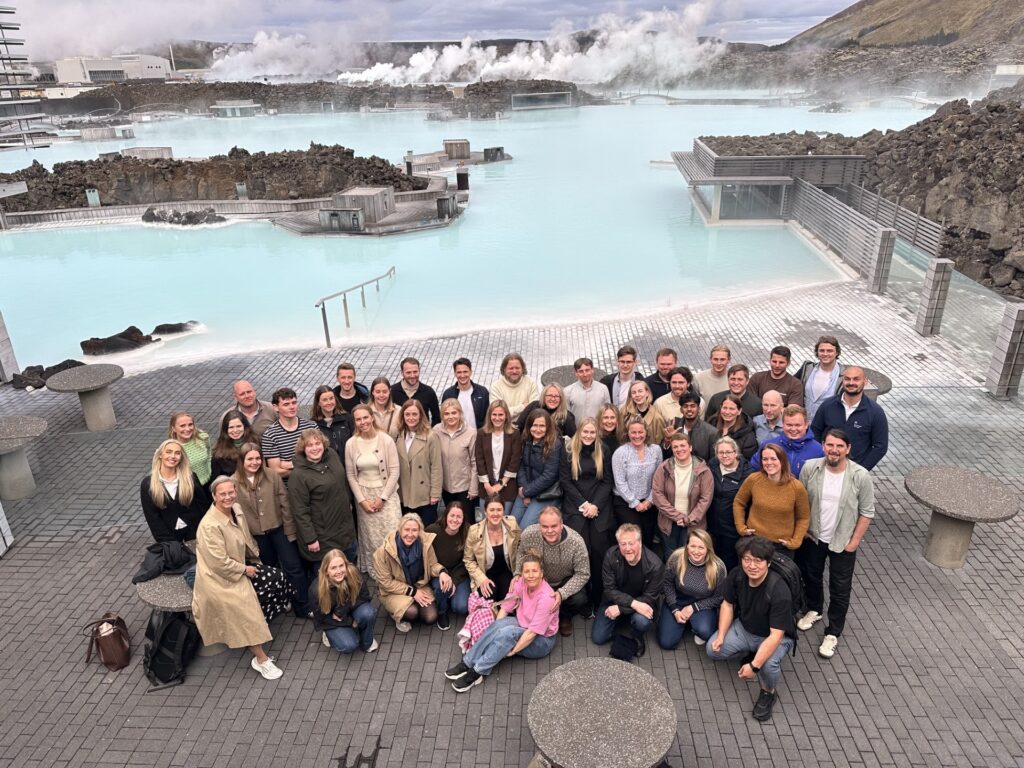
– Seafood is a global industry in which Norway is at the forefront. Through the program, we connect the Norwegian and international seafood industries and create arenas for international knowledge exchange. This gives participants unique opportunities to build networks and collaborative relationships across borders.
Iversen at NCE Seafood believes that networking is an important added value of the program.
Norwegian seafood worth 172 billion kroner was exported in 2023. This makes seafood Norway's second largest export industry after oil and gas.
– The seafood industry has its center of gravity in Western Norway. It is also internationally oriented to some extent. Through the EMBA program, participants gain access to a valuable network of leaders and professionals from all over the world. This provides fertile ground for innovation and new thinking, she says and elaborates:
– As a cluster, our role is to facilitate knowledge sharing and collaboration in the seafood industry. The EMBA program is an important measure to strengthen expertise and competitiveness in the industry.
Adapted for busy managers

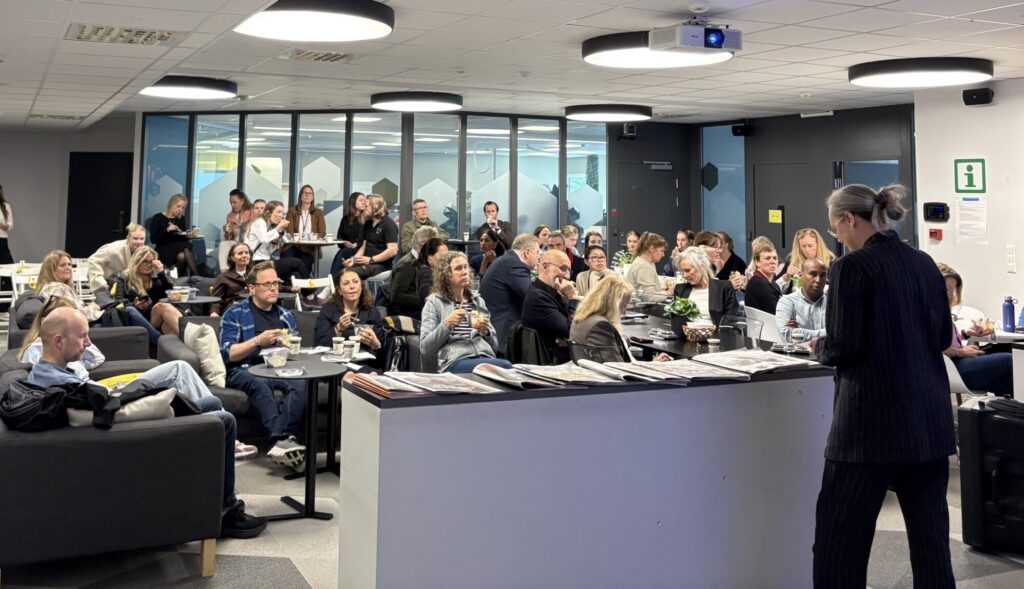
The program is designed so that participants can combine studies and work. Teaching alternates between physical meetings, online learning and group work.
– We know that our students have hectic working lives. That's why we have designed a course of study that can be combined with a full-time job. This way, participants can acquire new knowledge without having to put their careers on hold, says Juranek.
The application deadline is approaching, and Iversen encourages the industry to take advantage of the offer for a master's in seafood management:
– Do you want to be equipped to lead the seafood industry into a sustainable and profitable future? Then you have the opportunity to secure the cutting-edge expertise you need now. An EMBA in Seafood Management from NHH is an investment that will give you a return, both for yourself and for the industry as a whole.