

New Requirements for the Finance Department!
Sustainability reporting is no longer voluntary

CSRD requires companies to report on both how they impact the environment, society and governance (ESG) and how sustainability-related challenges may impact their financial performance. This “dual materiality” approach requires companies to report both direct and indirect impacts.
The new role of the Finance Department:
The CSRD stipulates that sustainability reporting must be treated on an equal footing with financial reporting. This means that the finance department has a much greater role in sustainability work, and reporting must be as accurate, traceable and auditable as financial reports.
Stricter reporting requirements:
Under the CSRD, companies must report according to detailed European reporting standards (ESRS). This involves reporting ESG factors across both their own operations and the entire value chain, with both quantitative and qualitative data. The reporting must also include future risk assessments and action plans.
Interdisciplinary collaboration is crucial:
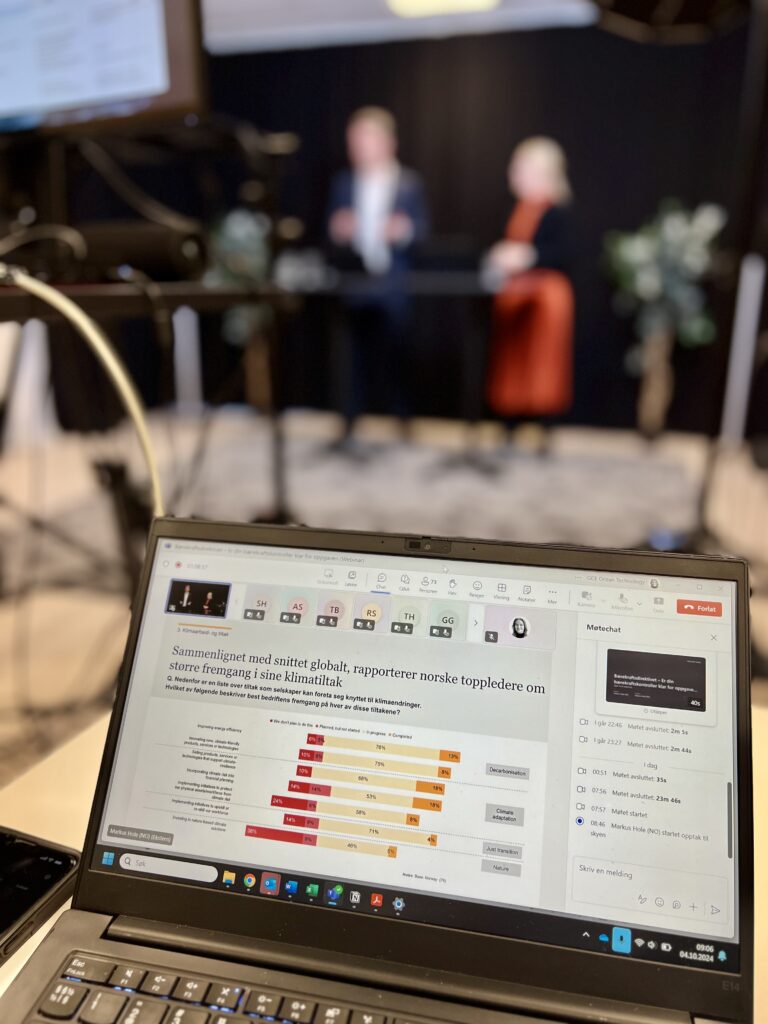
PwC emphasized that sustainability reporting cannot be handled by one person or department alone. It requires a multidisciplinary collaboration where multiple teams, including finance, governance and operations, must be involved to meet the new requirements.
Who must report, and when?
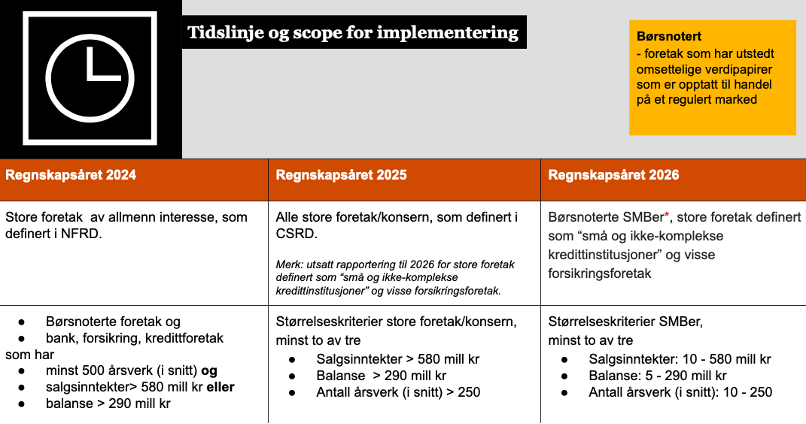
Although the CSRD comes into force in 2024, there are transition periods for specific sectors and companies. PwC clarified that the directive expands who must report, including large listed companies and small and medium-sized enterprises by 2026.
The fight against greenwashing:
A major challenge is to ensure that sustainability reporting is credible and does not contain false or misleading claims. This requires strong internal processes, improved data quality and greater transparency to avoid greenwashing. PwC highlighted that “94% of investors believe that companies’ sustainability reporting contains errors (greenwashing).” Therefore, it is important to strengthen trust in the reporting, according to Hanne Sælemyr Johansen from PwC.
Examples from Shearwater and Bolaks
The seminar also showed practical examples of how sustainability reporting can be operationalized. Knut Arild Langeland from Shearwater and Samuel Anderson from Bolaks shared their experiences of how their companies have implemented systems that meet the new standards. Both emphasized the importance of a multidisciplinary approach and the inclusion of the entire value chain in the reporting process.
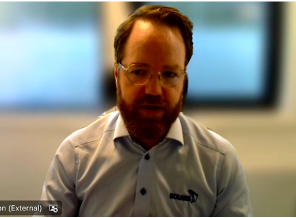
Samuel Anderson stressed the importance of recognizing sustainability as the responsibility of the entire organization: “This is not a one-man job. At Bolaks, we see the need for a multidisciplinary approach to tackle the various challenges, such as reducing emissions and managing sea lice.”

Knut Arild Langeland emphasized the need to simplify the language: “A lot of this is new to everyone, and the language consists of many terms and abbreviations – it is important to use a language that everyone understands.” Langeland also showed that sustainability can be an economic advantage: “Shearwater’s largest source of emissions is fuel for the boats we operate. Fuel costs money – if fuel consumption is reduced, costs go down, which means the bottom line improves.”
What does this mean for Norwegian companies?
It became clear during the seminar that implementing CSRD will require significant effort from Norwegian companies. Finance departments must prepare to handle large amounts of new data, work closely with sustainability teams, and ensure that reporting is both accurate and auditable.