
Will test mussels in chicken feed
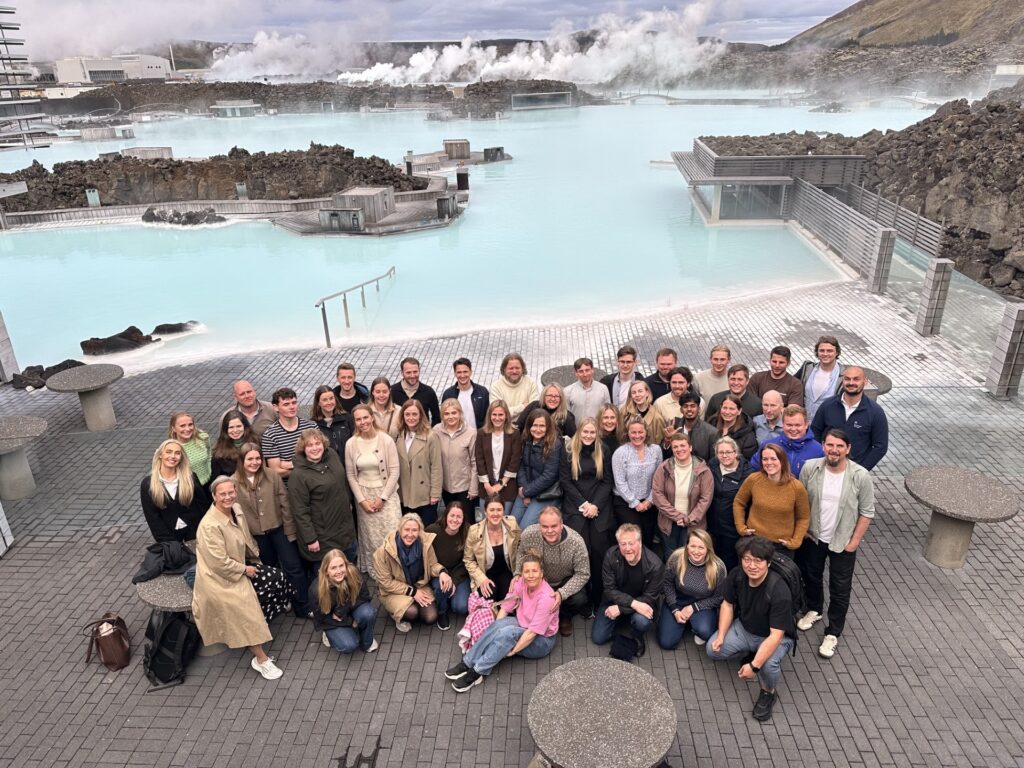
Nina Stangeland (NCE Seafood) and Harald Sveier (Lerøy Seafood/Ocean Forest) during a visit to Ocean Forest, which is one of the locations for growing mussels. Photo: Silje K. Robinson .
– Norwegian food should be made from Norwegian resources. Norway has so much biomass that we can become exporters rather than importers of raw materials. Mussels provide such an opportunity, and we are incredibly happy to get through the eye of the needle at the Research Council, says Hilde Schøyen, project manager and head of optimization and raw materials at Fiskå Mølle.
Partners from across the value chain
The project stems from the Land meets Sea initiative, which aims to create more collaborations between the blue and green sectors. Land meets Sea is owned by NCE Seafood, NCE Blue Legasea, Biotech North and NCE Heidner Biocluster. The industry partners in the project are Fiskå Mølle, Lerøy Ocean Forest, Eide Fjordbruk, Norforsk, Animalia and Nortura.
– It is precisely because of such cross-sectoral collaborations that we have established Land meets Sea together with the other three clusters, and we are working purposefully to achieve more such projects across agriculture, aquaculture and the fisheries industries in the future, says Nina Stangeland, administrative director of NCE Seafood.
– This is a real blue-green project where we see if it is possible to reduce the import of proteins for animal feed. Here we can also use the green sector to help scale up the feed raw material for the blue sector. Aquaculture needs enormous volumes and agriculture can help build capacity and markets, says Elise Sæle Dahle, project developer for Land meets Sea.
The partners in BlueMusselFeed represent the entire value chain. Actors from production to market collaborate to handle challenges that typically arise during such innovation processes.
–By collaborating, we reduce the individual risk for each company, and we remove many of the barriers that will arise when a new industry is to be scaled, says Sæle Dahle.
Mussels as a feed ingredient
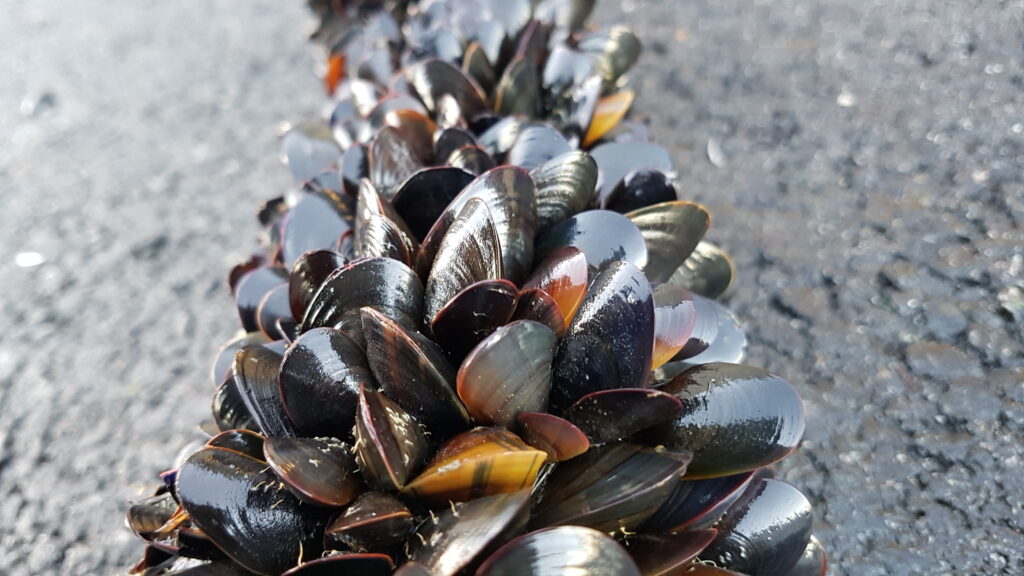
The small dark shells have several properties that make them a raw material with great potential. Mussels filter the seawater along the coast and effectively absorb carbon, nitrogen and phosphorus.
In addition to being a natural purifier, mussels are a valuable source of protein, and they can therefore act as a substitute for imported protein raw materials such as soy, fishmeal and corn gluten. Although there is no industrial farming of mussels for feed production in Norway today, previous research has shown that it can be used in feed for poultry, pigs and salmon.
– We have three objectives with our focus on low-trophic species, which includes mussels: Capture of nitrogen, phosphorus and carbon dioxide, production of raw materials for feed and human consumption and establishment of new species in the Norwegian aquaculture industry, says Harald Sveier, Lerøy Seafood/Ocean Forest.
Will increase Norway's ability to achieve self-sufficiency
The goal of the project is, among other things, that locally produced mussel protein can help reduce dependence on imported goods by replacing imported protein sources and other feed ingredients, and to establish a new industry around mussels as a feed raw material in Norway.
“Mussels are highly digestible with a high content of protein and amino acids. We expect that appetite, growth, feed utilization and meat quality will be in line with results in pigs and chickens,” says Schøyen.
The project responds to the call for proposals: Sustainable feed for fish and terrestrial animals – from idea to market from the Research Council of Norway.
– In light of the government's stated social mission that all feed for livestock and farmed fish should be sustainable, BlueMusselFeed is a project that also follows up on that, says Sæle Dahle.
Facts about mussels for feed
- Can be harvested every year
- Mussels replace fishmeal, corn gluten and soy – feed ingredients we import today.
- Our need is approximately 42,000 tons of protein raw material. This means that we need to grow over 800,000 tons of mussels.
Support for the project
BlueMusselFeed has a total budget of 24.7 million, the support is 11.7 million, while the industry partners finance 13 million themselves.