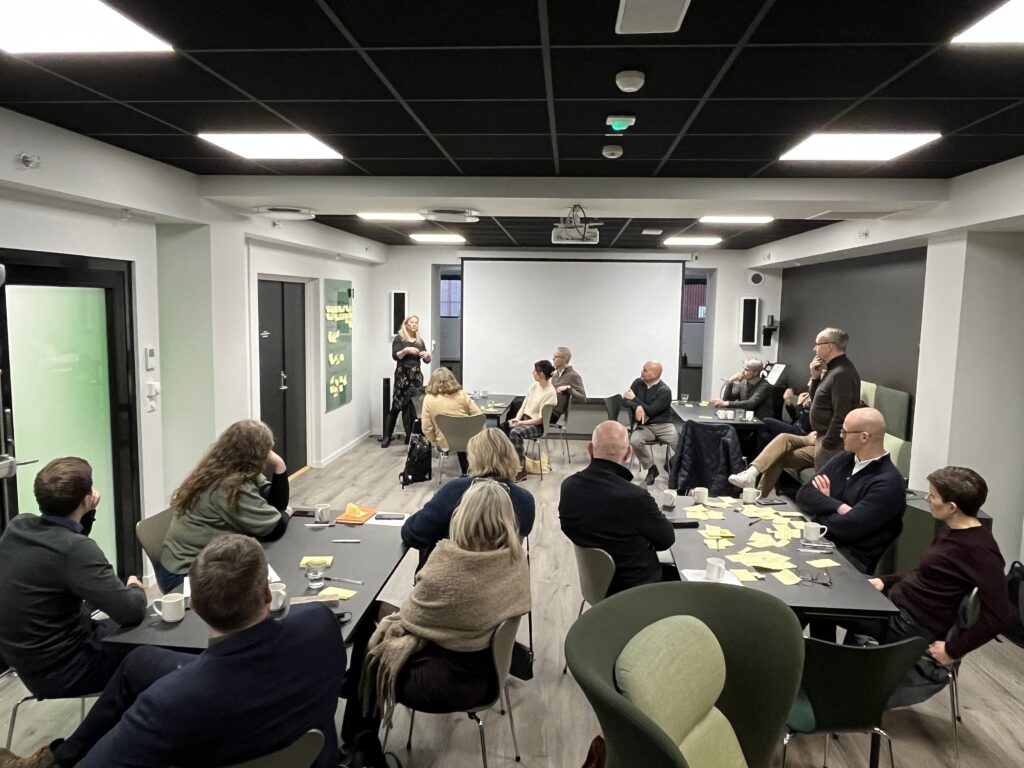
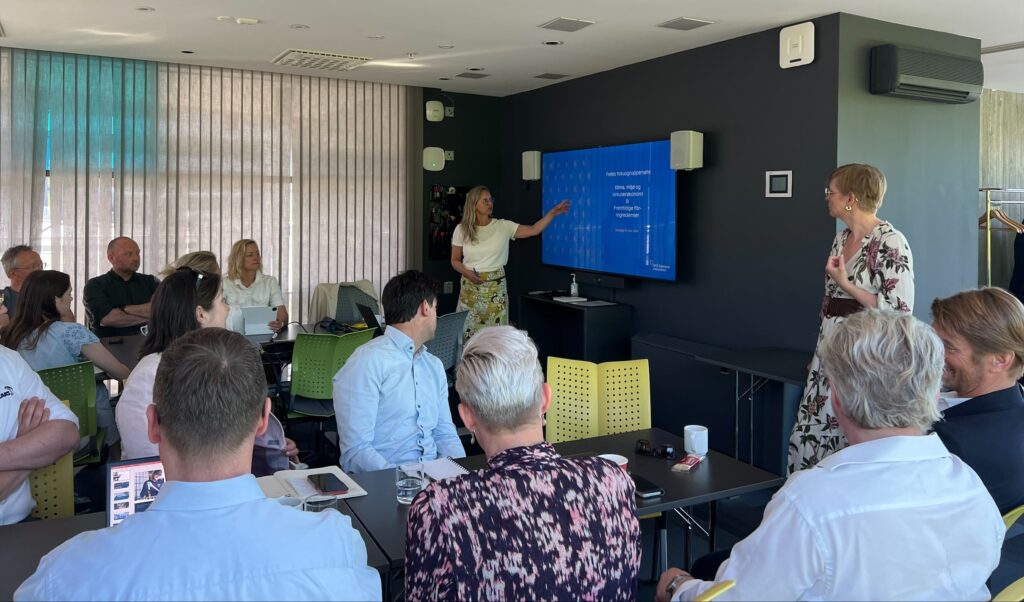
The meeting, which brought together experts from our members and partners, was marked by a common understanding of the seriousness and necessity of solving the challenges we face in terms of sustainability. Both in terms of ensuring the industry's access to new sustainable feed ingredients, as well as solving challenges such as establishing new circular value chains for sludge, plastic, kelp, by-products and much more. In the meeting's "round table", everyone briefly shared their exciting projects around the day's theme.
Need for cross-sector collaboration
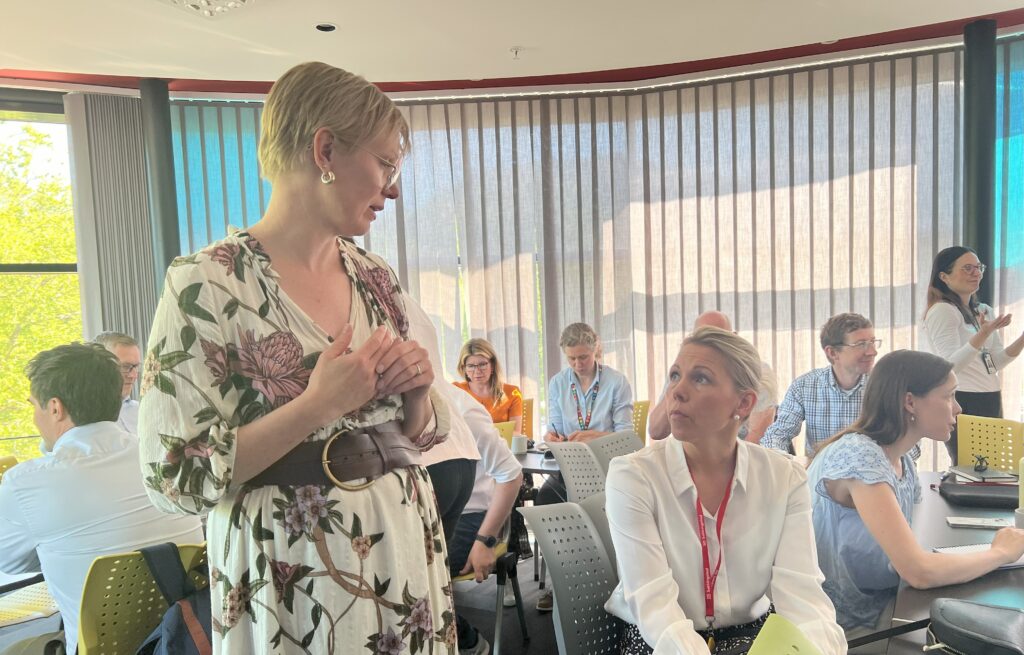
Through the project Hav møter Land, we are working purposefully to enable innovation and industrial growth across agriculture and aquaculture. Elise Sæle Dahle, project manager for the project, emphasized in the meeting the need for collaboration across sectors to better utilize bioresources, increase circularity in the industry, and reduce the carbon footprint.
Transparency increases reputation
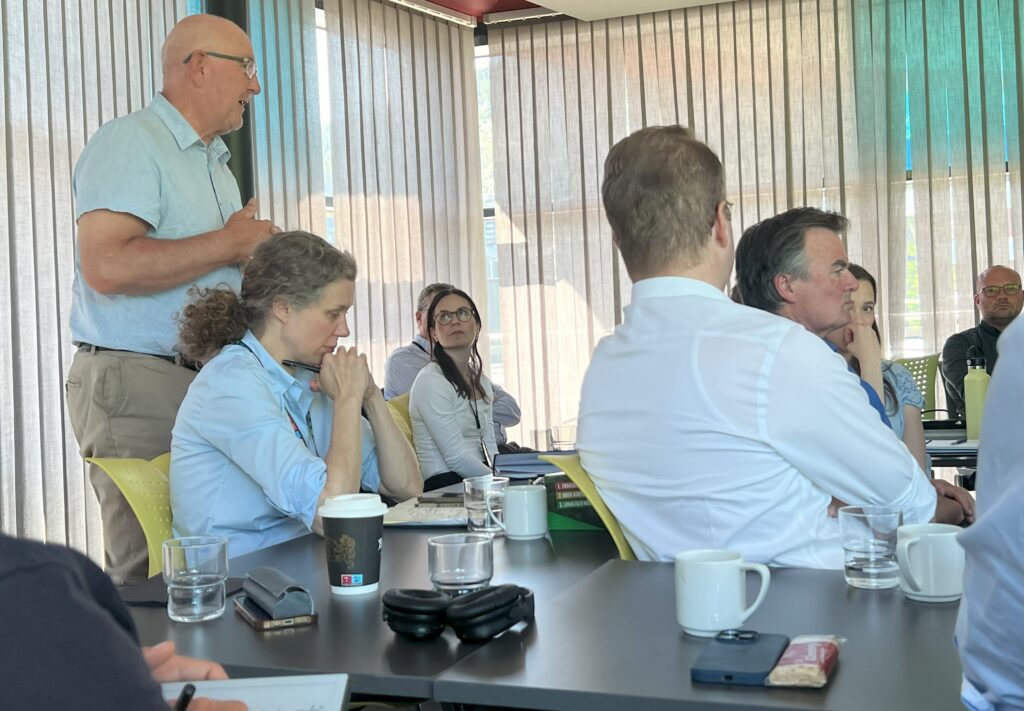
During the meeting, we received a presentation from Edgar Skjervold from Nutrimar. Nutrimar is a research-driven manufacturing and biotechnology company, which relies on circular value chains for complete raw material utilization. Through the harvesting of kelp and the collection of by-products from salmon, they produce natural marine ingredients for fish feed.
Edgar challenged those present at the meeting that we must start acknowledging that we have a challenge, and that the industry has a bad reputation. We must set clear goals, such as "We aim to produce climate-neutral fish fillets," in addition to becoming transparent.
The industry's reputation is crucial for growth, and an open dialogue with consumers and policymakers can contribute to stronger progress towards a more sustainable future for the feed industry.
Establishment of a climate panel
There are many questions and challenges related to sustainability reporting and the new rules surrounding CSRD. NCE Seafood has therefore taken the initiative for a climate panel. In the first meeting of the climate panel, it was discussed what the cluster can do to assist in this work. There were many good suggestions, and it is clear that there is a lot to address.
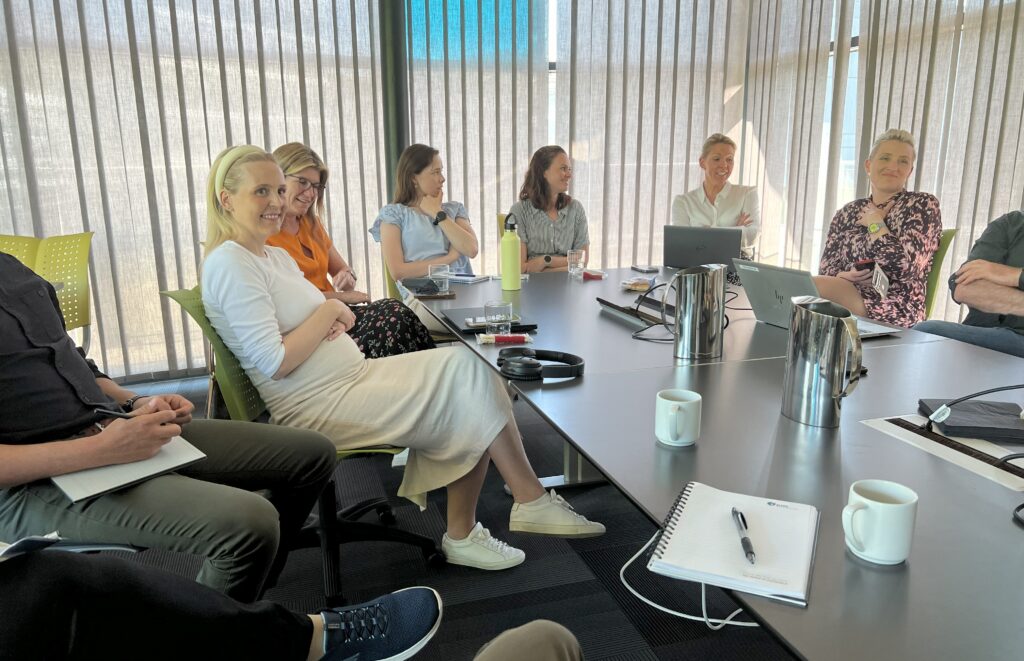
In the discussions, there was a great deal of focus on the fact that companies struggle to have enough resources to carry out reporting, the lack of expertise and what is expected of reporting. Many feel that this is a separate field of expertise, for which it would ideally be nice to have a separate position.
We clearly see the need for cooperation to solve this, and this is where the cluster will be able to contribute.