Teaches via "flipped classroom"
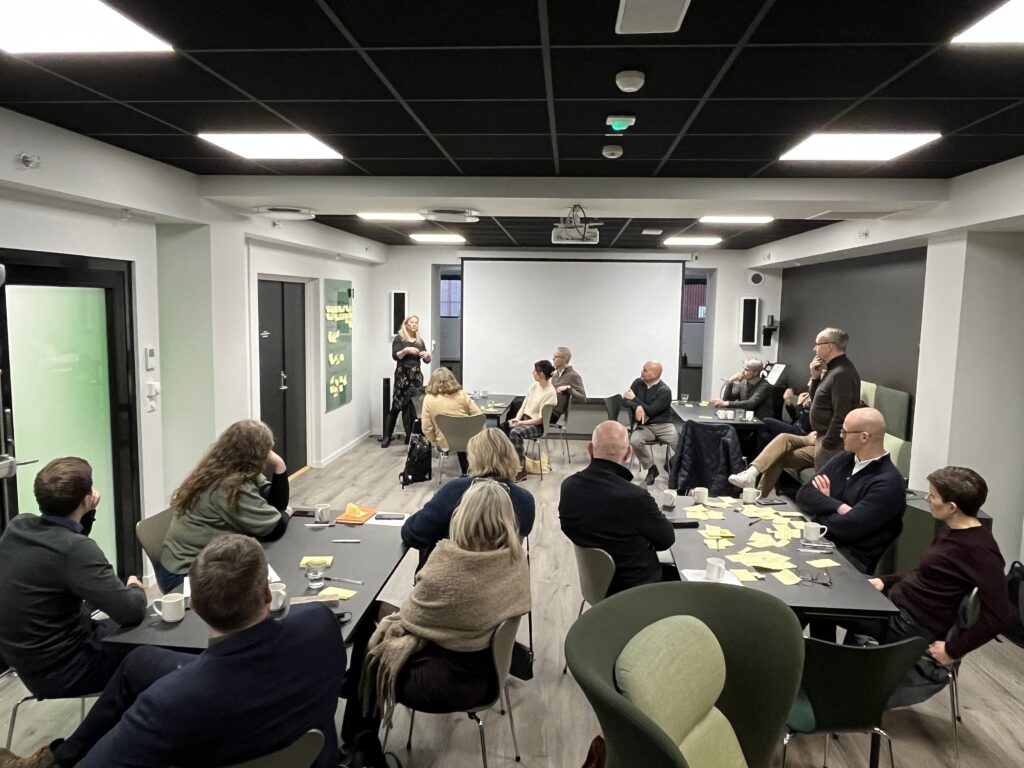
– Since October, the students have been working both individually and in groups from home. The first meeting is not until the end of January, where all participants in the program will spend five days together at NHH, says study manager Linda Nøstbakken.
As the study programme is aimed at potential participants from all over the world, NHH relies on so-called flipped classroom teaching.
– This means that videos and other online teaching materials replace much of the time traditionally spent in lectures. This frees up time for other activities and interaction in the classroom and allows the same learning outcomes to be achieved in fewer sessions, says Nøstbakken.
Collaborates with the seafood cluster
The program extends over two years and will provide 60 credits.
– We have received a very good response to the study so far. Bergen has always been an important city for the seafood industry. With the strong growth in the aquaculture industry and the fact that several of the largest aquaculture companies have their headquarters here, Bergen's position has been further strengthened. An international Executive MBA program aimed at the seafood industry was therefore in demand and we have met with great goodwill from all sides from the beginning, for which we are very grateful.
The most important thing, she believes, is that students who take the program are happier and are left with a lot of relevant new learning that can benefit both themselves and the companies they work for.
– Our collaboration with the seafood cluster NCE Seafood has worked very well and been very valuable. The reason why we now offer an executive MBA program aimed at the seafood industry is that the cluster contacted us and challenged us to put such a program in place.
– Since then, they have contributed support to program development and have been involved in providing feedback on the plans along the way. The cluster has also been important for the marketing of the program and in contact with the industry. I don't think we would have dared to do this without the support from and good collaboration with Tanja Hoel and the seafood cluster, she adds.
This year's cohort has 24 participants. They represent most links in the value chain and come from nine different countries. They have a variety of professional backgrounds, and represent, among others, fisheries, aquaculture and the service industry.
– In other words, it is a very exciting group and we look forward to interesting and educational discussions in the classroom in a few weeks, says Nøstbaken.
The next cohort will start in fall 2018 (admission spring 2018).
Read more and watch NHH's video about the study. Linda Nøstbakke, NHH NHH professor Linda Nøstbakke is the head of the study program that started in the fall of 2016. Photo: NHH.