Takeaways from R&D meeting about kelp farming
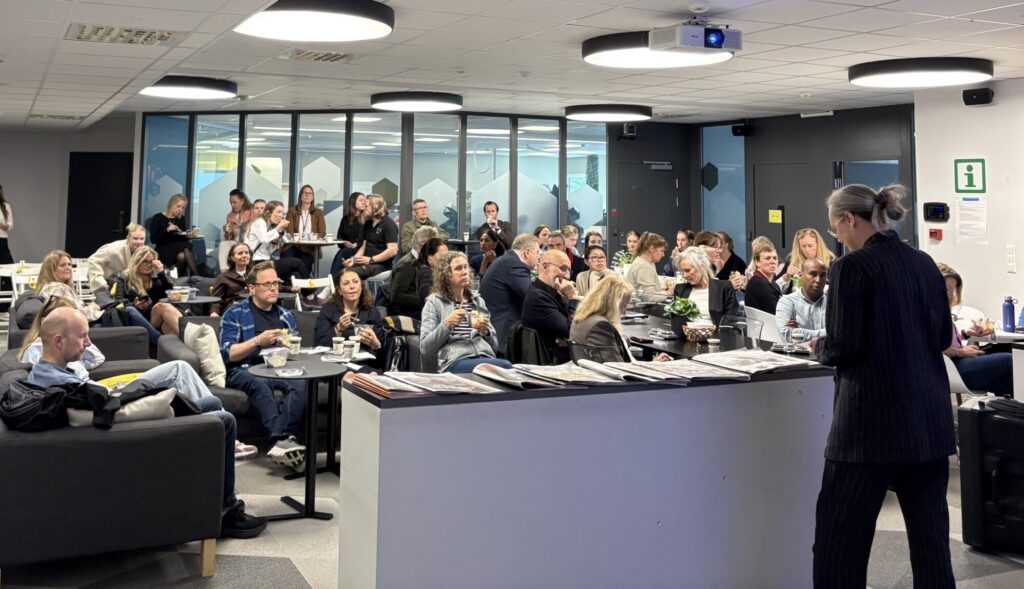
- The goal of an R&D meeting is to gather stakeholders for a good dialogue about the issues that are stopping us from actually achieving our goals, Innovation Manager Björgólfur Hávarðsson says.
One of his takeaways form the meeting is the lack of space for farming. Our shores are getting crowded and there are many different stakeholders and interests. If we are to succeed, we need space to succeed, he says.
Sustainable resources
We also talked to Marit Gjerstad, Advisor in Norges Vel, who highlights kelp farming as a circular solution.
- It would be perfect for a salmon producer to have a kelp farm nearby that can utilize the emission from salmon production. This way of thinking, having low trophic species together with the fish farm is the regenerative aquaculture of the future, she says.
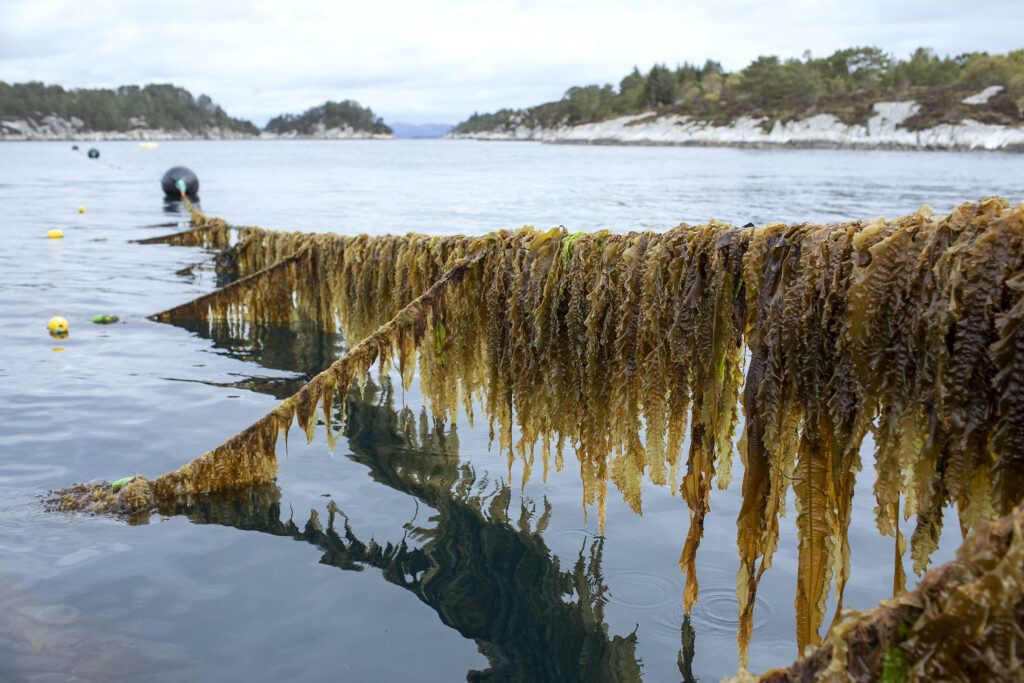
Kelp is a resource with a lot of possibilities, also as food. Because it contains minerals like iodine, and has a salty taste it can for example replace table salt, Marit explains.
Working together to overcome the barriers
There are some barriers for kelp as a resource. Having enough product and having a market for it are some of the issues. In addition to creating a more efficient harvesting, processing, and drying process.
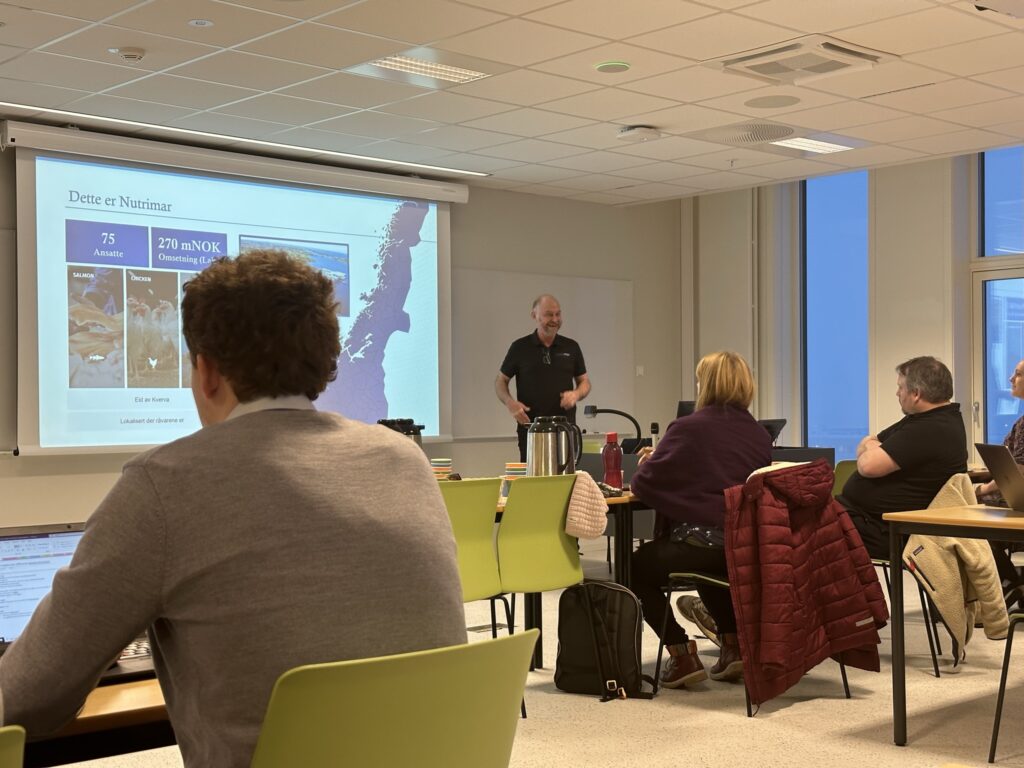
Kjartan Kramer, Business Development Lead at Nutrimar, believes that working together is part of the solution to lowering the energy consumption during dewatering and drying. He also highlights each company's own ability to find a way into the market.
- I think each company needs to work on its own to find the market you want to operate in, Kjartan says.
According to Marit, the kelp market is still in its early stages. This must change if kelp farming is to become Norway's next major industry.