Vi må være mer synlig for de unge
Dette er en kommentar av Fride Iversen, Senior prosjektleder for kompetanse og talentattraksjon.
Løse utfordringene våre
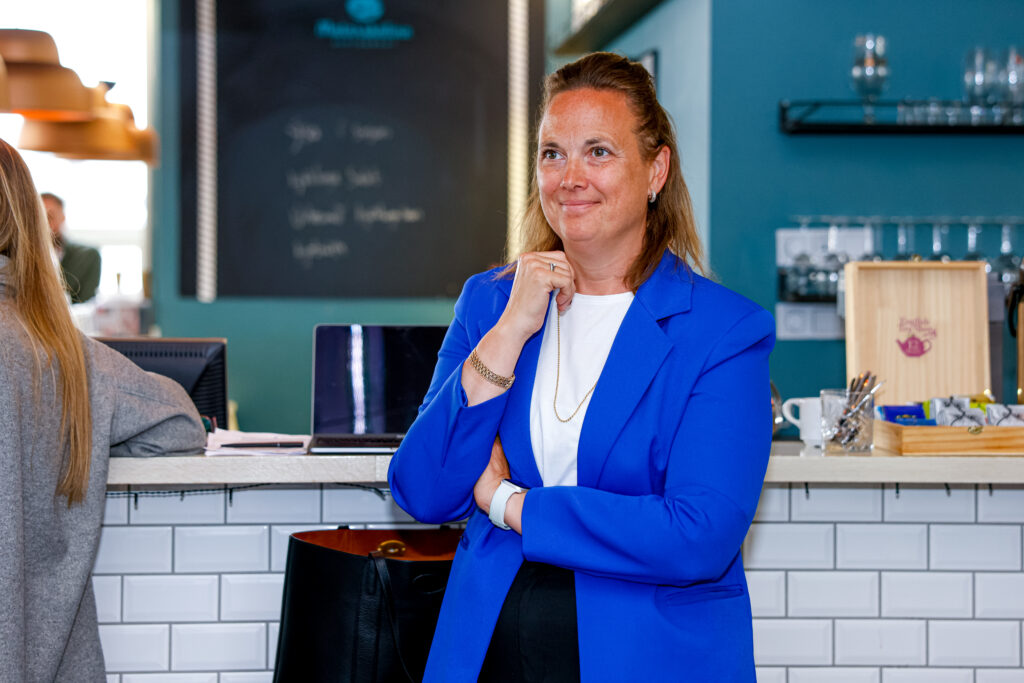
I møte med de unge opplever vi nemlig at mange har et smalt bilde av sjømatnæringen. De fleste tenker gjerne på en som jobber direkte med laksen på merdkanten, noe som er ganske langt fra sannheten.
Næringen er så mye mer; det er mulighetene som ligger i nye arter, i tang og tare, nye driftsformer og produkter som kan utvikles fra havet. Og mye, mye mer.
Samtidig har næringen flere utfordringer som må løses. Teknologiutvikling, digitalisering og innovasjon, kombinert med kloke hoder kan bidra til å løse problemene som står i veien for vekst. Bærekraftig vekst er umulig uten tilførsel av nyutdannede med fersk kunnskap på viktige felt.
Samarbeid og synlighet er løsningen
Derfor arrangerer vi et stort prosjekt denne høsten for å gjøre sjømatnæringen bedre kjent for morgendagens arbeidskraft. På den måten kan de få innblikk i alle mulighetene som er i næringen og det brede kompetansebehovet næringen vår har behov for å få en bærekraftig utvikling.
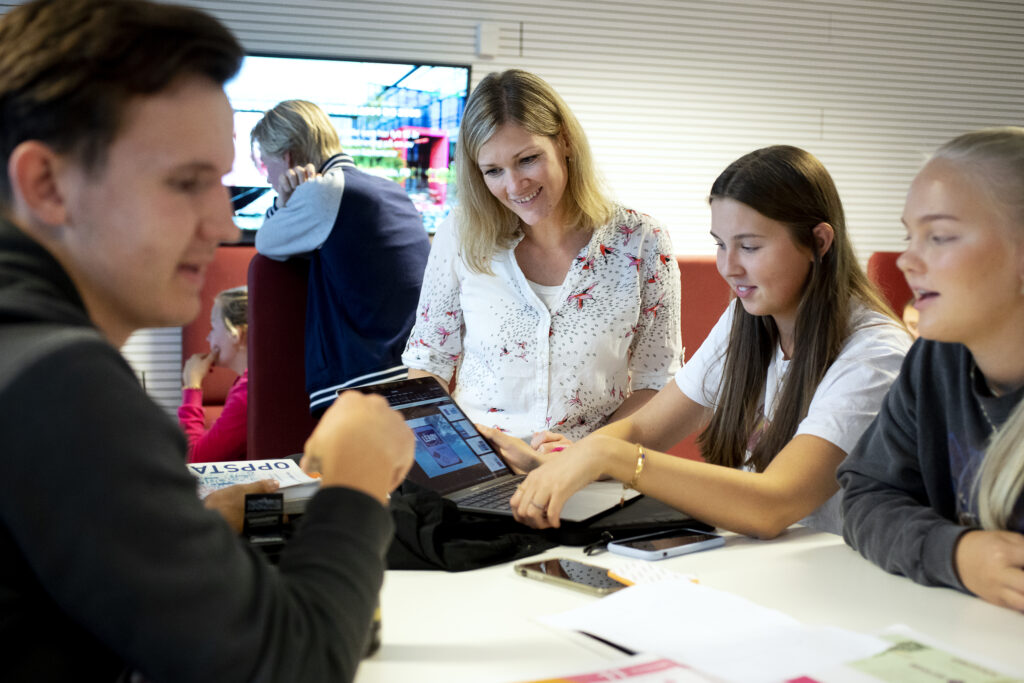
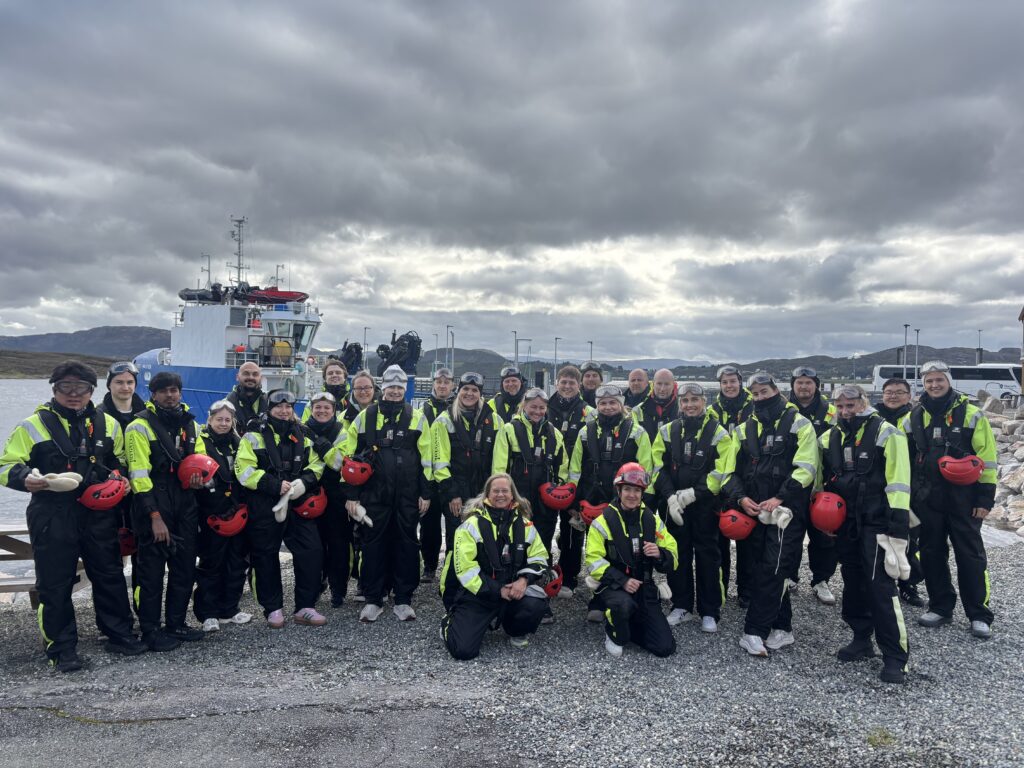
Sammen med Ungt Entreprenørskap, 8 sjømatbedrifter og andre samarbeidspartnere som NHH, Handelens Miljøfond og Norges Sjømatråd drar vi på turné langs kysten i flere måneder og arrangerer 13 innovasjonscamper. Det er en todagers workshop der elever på videregående skoler får teste seg på reelle bransjeutfordringer fra næringen og foreslå løsninger på disse.
Dette mener vi skaper en vinn-vinn-situasjon for elever og næringsliv. Elevene bygger kunnskap om bransjen, om innovasjon og entreprenørskap, mens næringen tar med seg løsninger på problemstillinger som er utfordrende å løse og får mulighet til å bygge omdømme hos en viktig målgruppe.
Stimulere entreprenørskap og skapervilje
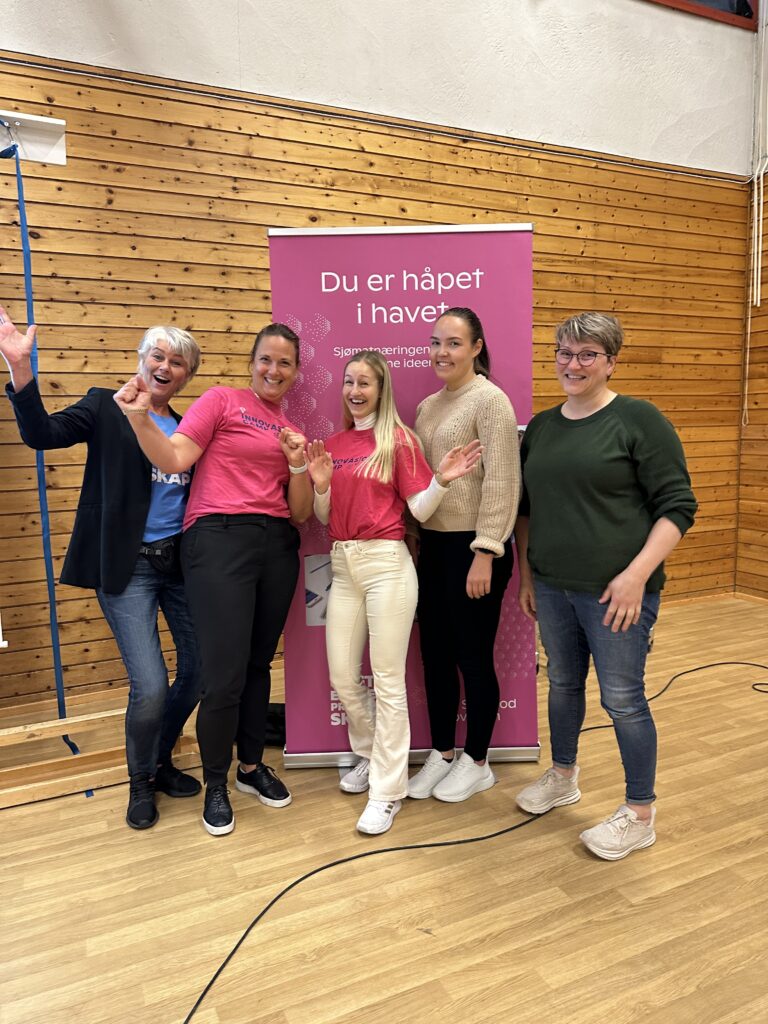
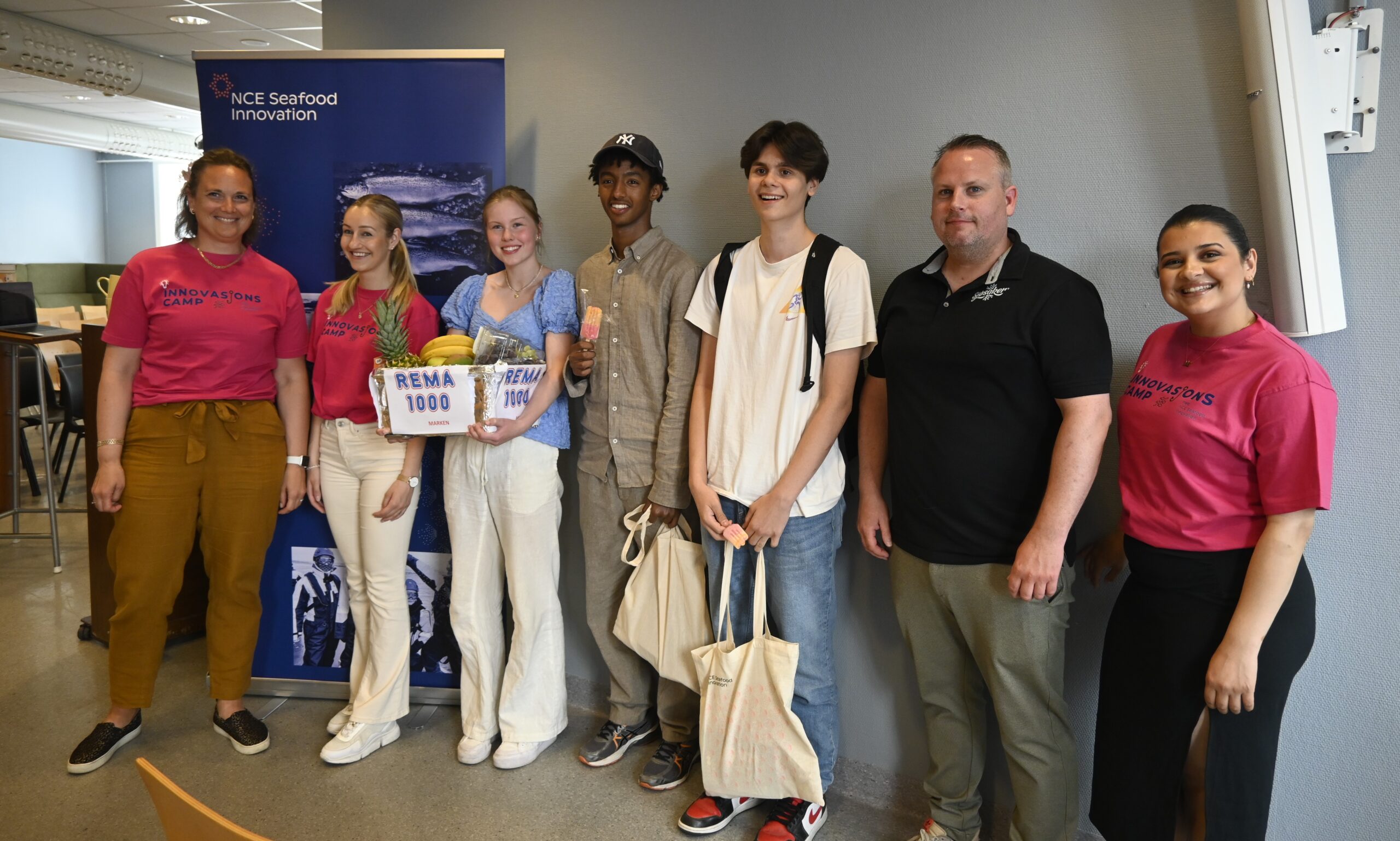
For et par uker siden arrangerte vi innovasjonscamp i Kirkenes og samlet 80 elever fra yrkesfag. På hver camp kåres det en vinner blant ideene til elevene, og her var gruppen med produktet «Scarfish» som vant. Idéen deres gikk ut på å lage et plaster av fiskeskinn til bruk på brannskader. Både bærekraftig, innovativt og heller ikke helt urealistisk å få til. Nå er vinnergruppen i full gang med sin egen elevbedrift for å utvikle idéen videre, og kanskje dette er starten på et spennende innovasjonsprosjekt?
Med bakgrunn i at færre gründere i Norge tørr å satse kan disse innovasjonscampene dessuten gi dobbel positiv effekt. Ikke bare stimulerer de kreativitet og skaperkraft, de kan faktisk resultere i gode idéer som skaper nye bedrifter og arbeidsplasser. Eller løsninger som kan bidra til en mer bærekraftig sjømatnæring.
Viser næringens muligheter
Eksempelet fra Kirkenes viser også bredden som er i sjømatnæringen. Det handler for eksempel ikke bare om fisk og lakseoppdrett. Ved å treffe elevene og utfordre dem til å tenke nytt får de også et bilde av en mangfoldig bransje med mange muligheter.
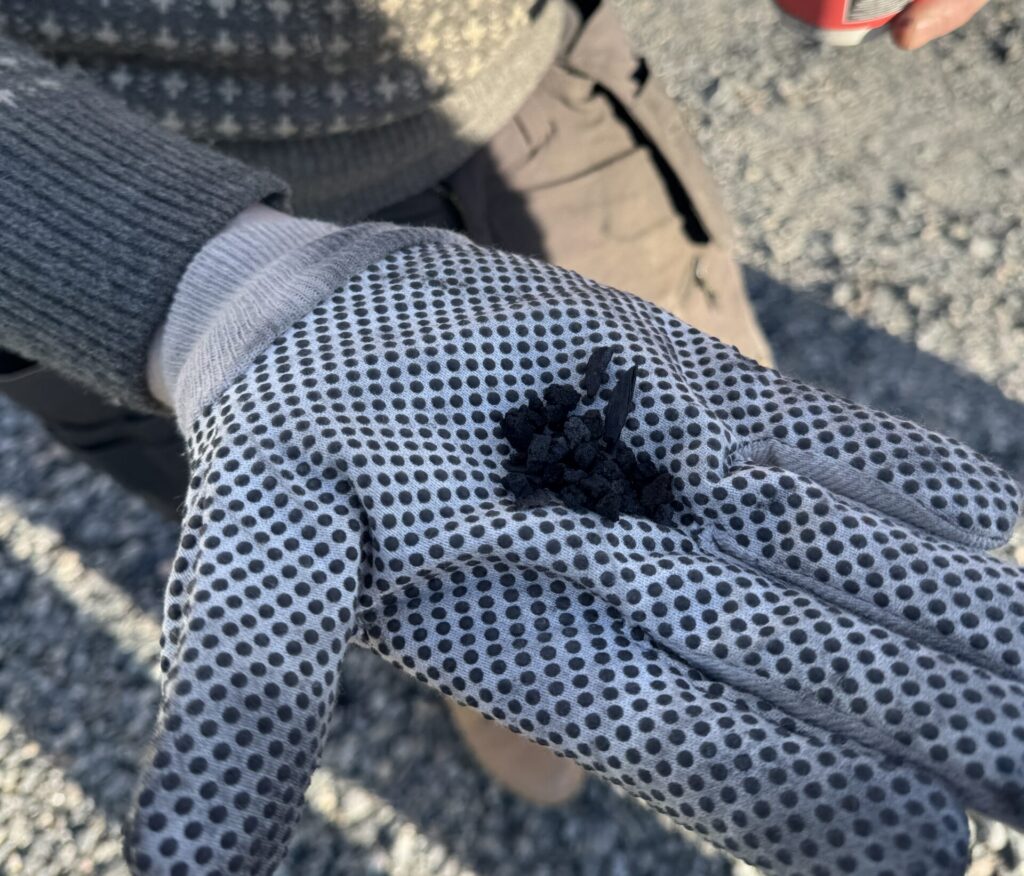
I høst utfordrer vi hele 1500 elever helt fra Rogaland til Troms og Finnmark til å finne løsninger på én av tre følgende problemstillinger: reduksjon av plast, økt sjømatkonsum og økt verdiskapning. Kan tang og tare brukes som erstatning for plast? Eller kan nye produkter få unge til å spise mer sjømat?
Det skal elevene finne ut av, og det viser dem også hvor mye forskjellige jobbmuligheter det er. Nettopp derfor er det så viktig at næringen treffer de unge før de gjør viktige valg for fremtiden. Kanskje fører det til at de velger utdanning basert på dette møtet? Tilbakemeldingene fra elevene underveis er positive, og det er tydelig at de blir engasjert i løse utfordringene i næringen.
Trekke kompetanse til distriktene
Ved å møte elevene på skolene får vi også mulighet til å vise de lokale arbeidsplassene. Elevene får både innblikk i de ulike yrkesveiene i næringen og de får se at det finnes spennende arbeidsplasser der de vokser opp.
At det er vanskelig å få arbeidskraft til distriktene er ikke noe nytt. Mange av sjømatbedriftene som er med på innovasjonscamper har kontorer langs kysten og i distriktene. Blant annet er Nutrimar som har fabrikk på Frøya med, og de viser elevene mulighetene ved å jobbe i distriktet. Det kan bidra med å trekke kompetanse til lokalområder.
Viktig arbeid for fremtiden
Som Møreforskningsrapporten om fremtidig kompetanse- og rekrutteringsbehov i norsk sjømatnæring viste, har vi både rekrutteringsproblemer og et stort behov for kompetanse fremover. Hvis ikke de unge kjenner til oss har vi et problem.
På innovasjonscamp lar vi elevene jobbe med sjømatnæringens problemstillinger og gjennom arbeidet får de oppleve hvor spennende det kan være og hvilke utfordringer næringen har å by på. Dette tror vi er viktig for at de skal velge oss.
Fordi uten ny kompetanse og unge talenter til næringen kommer vi skeivt inn i fremtiden. Derfor er det viktig at de unge blir kjent med oss og kjenner til det spennende mulighetsrommet som ligger foran dem.
Lerøy, Grieg Seafood, Biomar, Ragn-Sells, Nutrimar, Patogen, Cargill, Tekslo Seafood, NHH, Handelens Miljøfond og Sjømatrådet er allerede med på dette viktige prosjektet og vi oppfordrer flere til å gjøre det samme. Å møte de unge før de gjør viktige valg for fremtiden er noe alle vi som jobber i næringen bør prioritere.
Å jobbe sammen om dette gagner nemlig oss alle.