AquaMare: Norway's bridge to the EU's research and innovation programs for the aquaculture industry.
In 2024, salmon worth 122.9 billion kroner was exported, and 2.8 million tonnes of salmon found their way to dinner tables around the world. Norwegian salmon is one of the most sustainable foods produced, and the industry is continuously working to improve efficiency while safeguarding fish welfare.
To ensure continued innovation and development, it is crucial that the Norwegian aquaculture industry actively participates in the EU's research and innovation programs. Here, the EU network AquaMare plays a key role. AquaMare consists of the Norwegian aquaculture clusters NCE Aquatech, NCE Aquaculture, NCE Seafood and Stiim Aquacluster. The network was established in 2016 with support from the Research Council and has since worked to strengthen the Norwegian aquaculture industry's position in Horizon 2020 and Horizon Europe.
" Although Norway is not a member of the EU, we are strongly influenced by EU regulations. This requires significant effort, and our role is to ensure that aquaculture and the aquaculture industry remain a central part of the EU's political agenda ," says AquaMare project manager Ann Cecilie Hilling.
AquaMare started as an academic and research-oriented network, but during its first period has developed into a proactive and broadly based player in the aquaculture industry with a focus on:
- Engage members through strategic information and exchange of experiences.
- Facilitate partner search and consortium formation.
- Contribute to successful applications and secure funding from the EU.
- Influence European policy for better framework conditions for the aquaculture industry.
The European Sludge Network
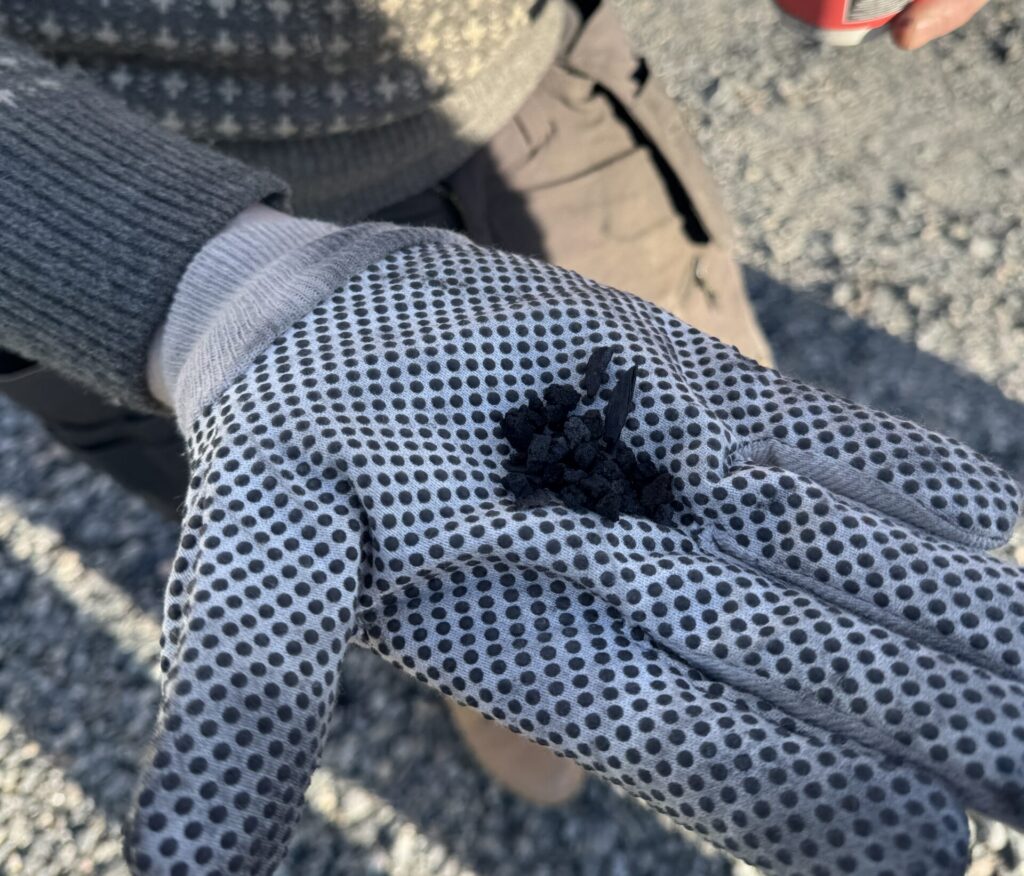
One of AquaMare's most important initiatives is the establishment of The European Sludge Network (ESN) , which brings together stakeholders from across Europe to solve challenges related to sludge treatment in aquaculture. Norway's introduction of stricter requirements for water purification from land-based facilities has led to increased amounts of sludge, and the need for sustainable solutions is greater than ever. The increasing amount of sludge from the aquaculture industry has created challenges related to handling and further use. Finding sustainable uses for sludge has proven to be demanding, and complex EU regulations have made it difficult to establish new value chains.
ESN works for:
- Bringing together researchers, companies and authorities to create new value chains for sludge.
- Influence EU regulations to allow the use of sludge as fertilizer or feed ingredient.
- Mobilize research and documentation to convince EFSA (European Food Safety Authority) of the potential of proper sludge treatment
- Arrange regular meetings with participants from all over Europe.
ESN aims to bring together all stakeholders in Europe with an interest in sludge treatment and create a platform for sharing knowledge and research results. By connecting researchers, industry and decision-makers, the network acts as a driving force for new projects and innovations. Although the topic is narrow, it is crucial for a more sustainable and circular aquaculture industry.
Strategic collaboration for increased impact
The Norwegian clusters function as a bridge between Norwegian and European actors. Through closer links to the EU, AquaMare contributes to Norwegian actors gaining greater influence in Brussels, both through strategic documents and network building.
The experience from AquaMare's first period shows that a strong and coordinated effort is still needed to get more Norwegian companies into the EU's programs. Many people find the EU's support schemes complicated, and small and medium-sized businesses in particular need guidance to navigate the system.
At AquaMare, we have proven that we can contribute to the development of European aquaculture. Now it is about building on this success and ensuring that Norwegian aquaculture continues to be a driving force for innovation, sustainability and international cooperation.