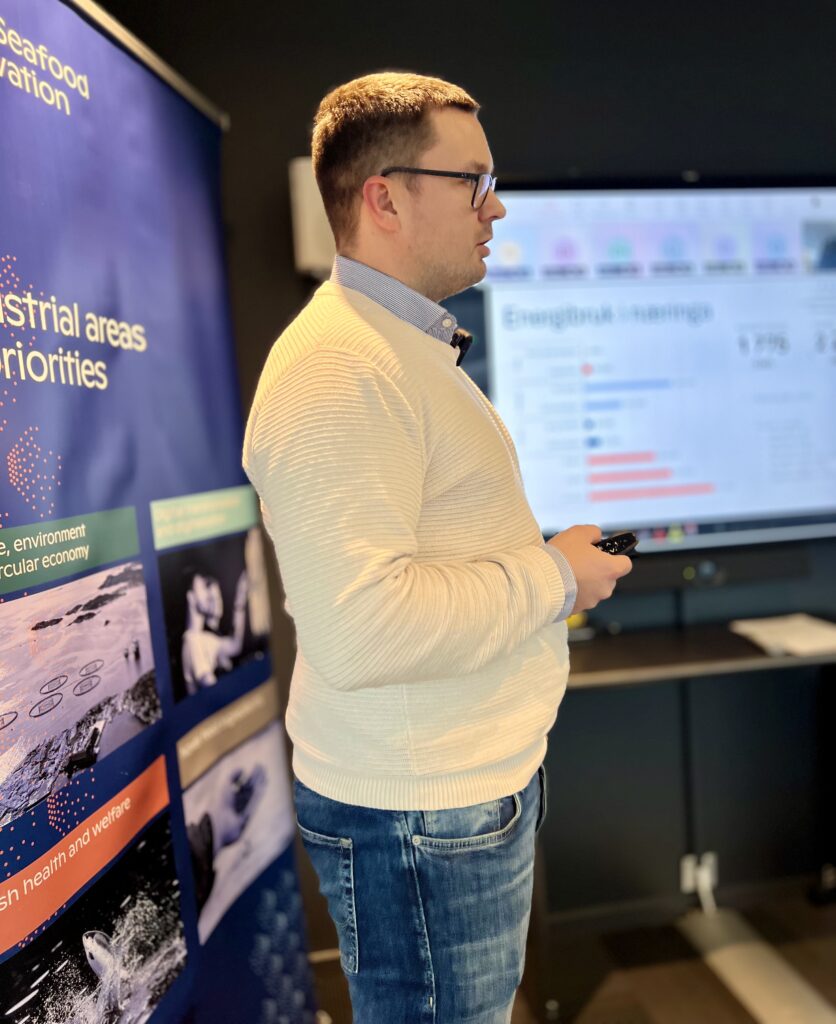
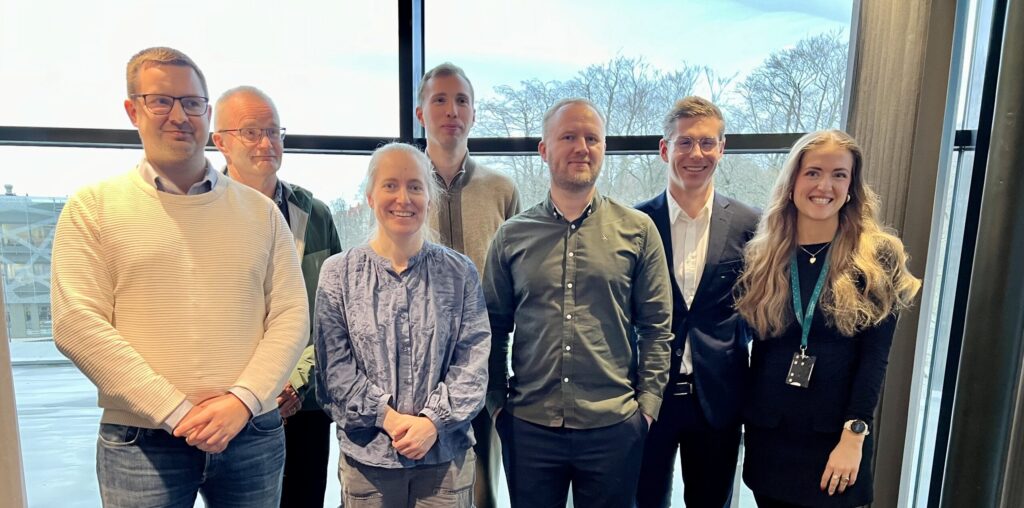
The seminar brought together experts and stakeholders from across the seafood industry to share insights and discuss how the sector can reduce energy costs and strengthen its sustainability.
Main findings from the project
The PEIS project has mapped energy use in the seafood industry and identified specific measures for energy efficiency. Among the main findings are:
- Fish farms can reduce energy use by up to 20% , while slaughterhouses can cut consumption by 13% .
- The aquaculture fleet has enormous potential for energy savings, with the possibility of reducing consumption by as much as 52% .
- In the whitefish sector , processing plants can reduce energy use by over 20% .
- The pelagic consumer industry has a potential for energy reduction of between 12–15% .
The project has also identified opportunities to replace fossil fuels with renewable alternatives, such as electric boilers and high-temperature heat pumps (HTHPs), solutions that are already being tested in parts of the industry.
Important contributions from the speakers
The seminar included presentations from several experts who shared insights and recommendations:
- Eirik Starheim Svendsen (SINTEF Ocean): Gave an introduction to the project and how the results can contribute to better energy use.
- Tom Ståle Nordtvedt (SINTEF Ocean): Presented project results from the whitefish and shrimp sector.
- Kristina N. Widell (SINTEF Ocean): Shared insights on energy savings and measures in the pelagic sector.
- Marco Bless (SINTEF Energy): Focused on general measures and lessons learned that can be implemented across the entire seafood industry.
- Morten Lunde (ENTRO): Presentation focusing on implementation and practical challenges (TBD).
The way forward
The PEIS project has provided the industry with important energy efficiency roadmaps, which will soon be published digitally. These roadmaps are designed to help companies implement measures that reduce energy consumption and strengthen their competitiveness.