Seafood Case day – How to build consumer insight in a retail-driven world?
How can one of the world's largest seafood companies get closer to its consumers in a world where grocery chains own customer data? That was the core of the student case during Seafood Case Day, a collaboration between Western Norway University of Applied Sciences (HVL), Lerøy Seafood Group and NCE Seafood.
Lerøy sells seafood to millions of people every day, but often lacks insight into who consumers are, why they make the choices they do – and how seafood is actually used and experienced in everyday life. This is not unique to Lerøy, but a structural feature of an industry where most sales are made through grocery stores.
How to understand the consumer when you don't own customer data?
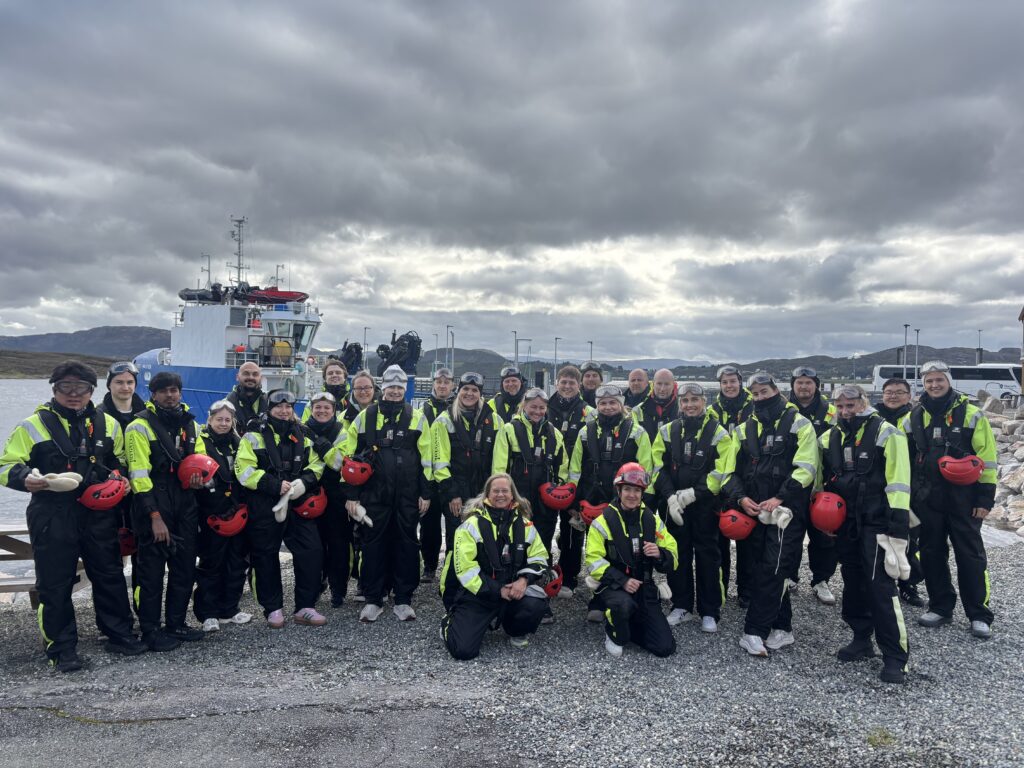
During Seafood Case Days, over 50 students from Western Norway University of Applied Sciences were tasked with tackling this very challenge:
How can Lerøy build a direct, ongoing and valuable relationship with its own consumers – without creating noise, survey fatigue or low data quality?
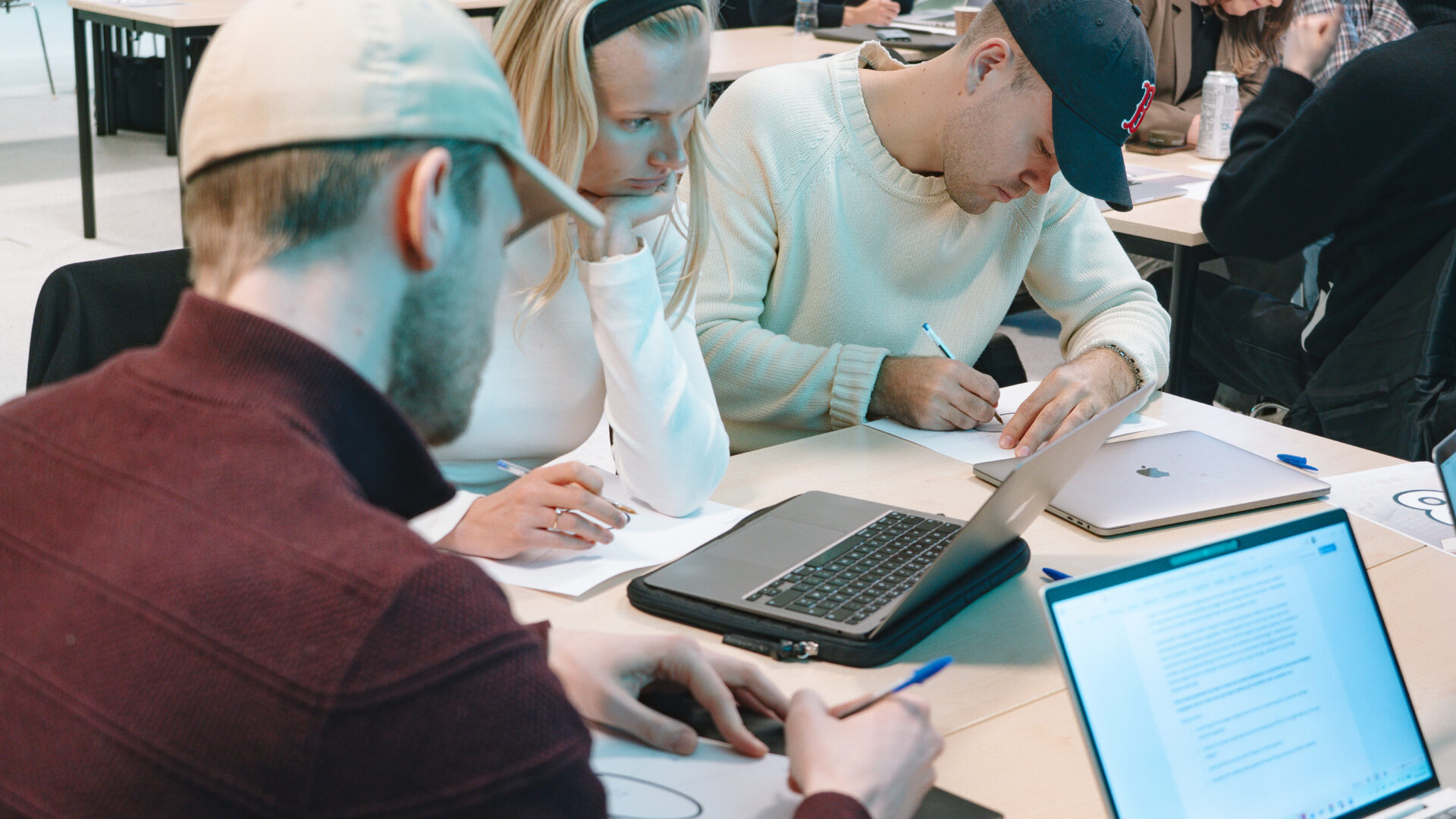
Working in interdisciplinary groups of 5–6 people, students were challenged to deliver a clear and testable direction. Solutions that balanced the need for decision-relevant insights with consumers' time, motivation, and perceived value.
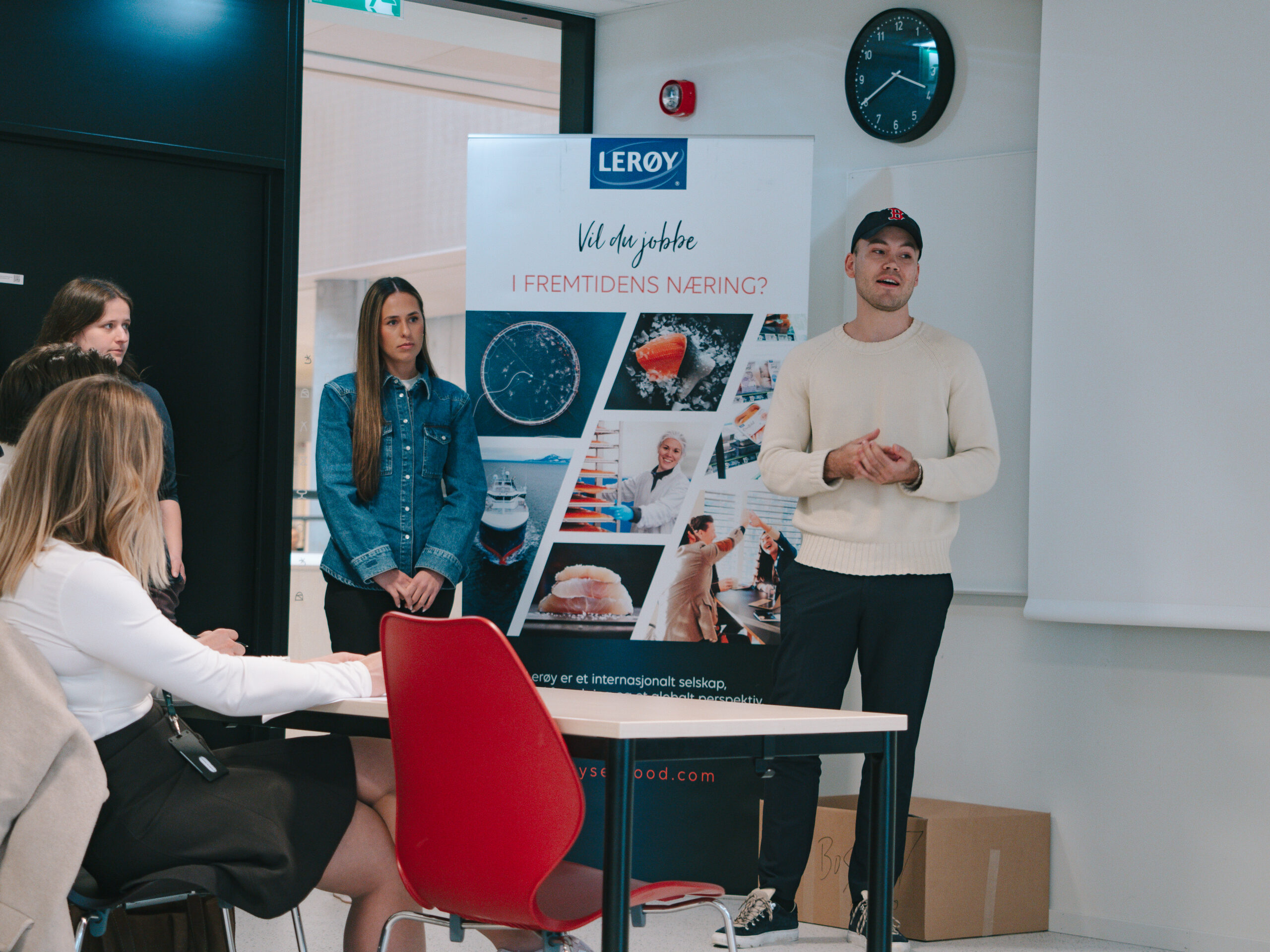
Great creativity and high relevance
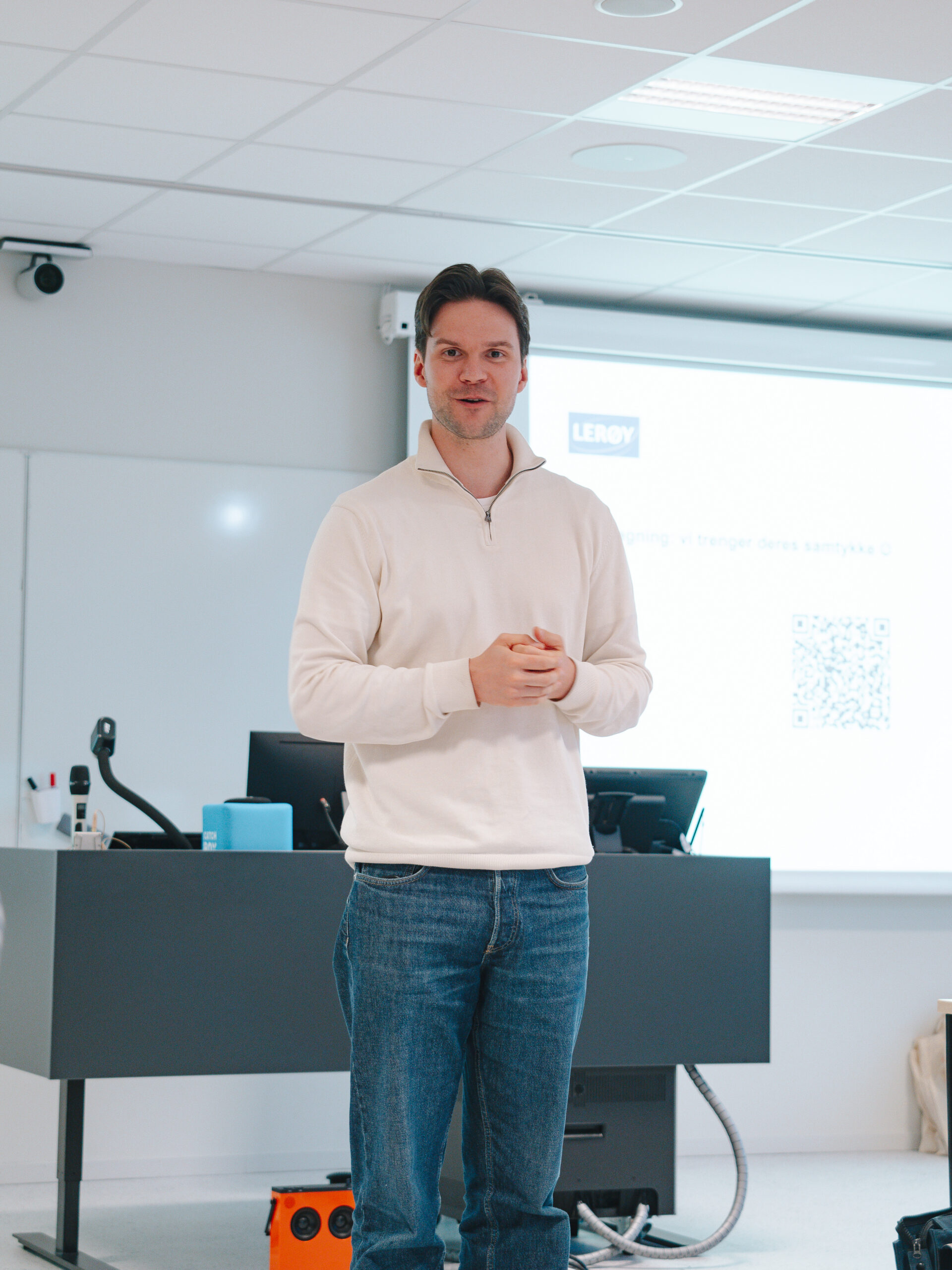
Throughout the day, engagement was high, and the proposals were both creative, realistic and business-oriented. Several of the solutions were based on new forms of dialogue, digital platforms and smarter use of existing touchpoints between brand and consumer.
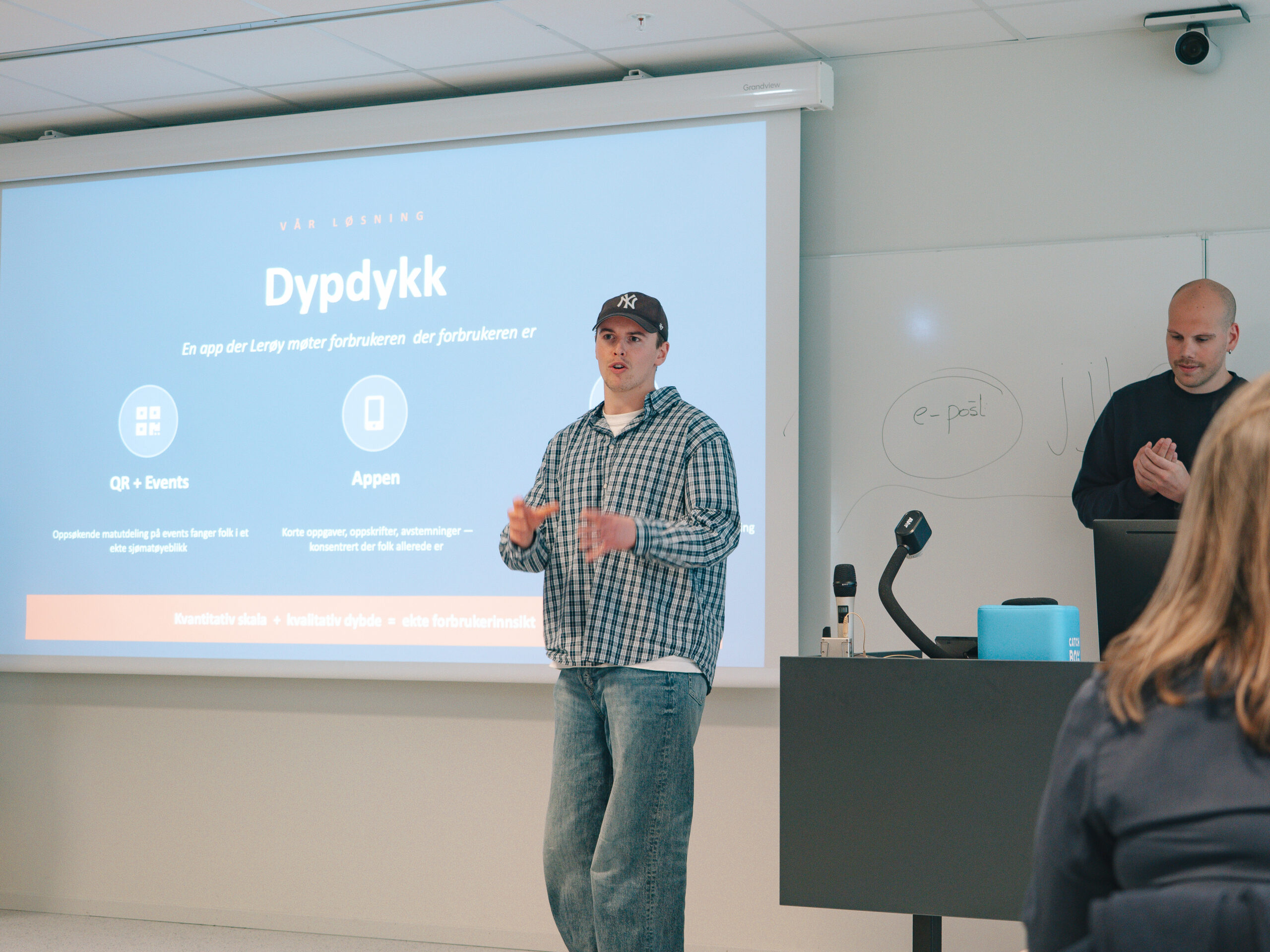
The winning entry came from the group Dypdykk , which presented an app with a hybrid solution that combines physical meetings and digital insight tools.
The goal of Deep Dive is to create high participation over time, and insights that can actually be used in early product and market development.
The value of collaboration
Seafood Case Days shows how collaboration between business, academia and the cluster can provide new understanding of real issues in the seafood industry. For Lerøy and the industry, the students' perspectives provide valuable input into how future consumer relationships can be built more directly, more humanly and more data-driven.