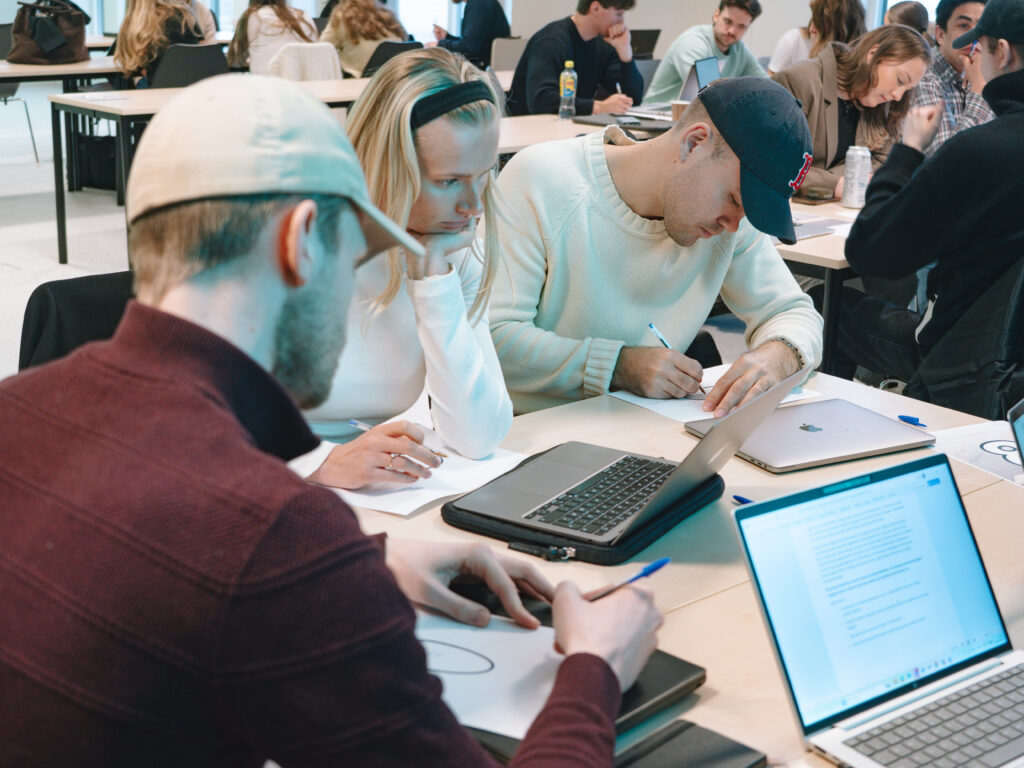
On May 23, the cluster organized focus group meetings, where companies across the seafood industry are gathered. Common challenges and potential solutions are raised. In a joint session, attendees were presented with a couple of projects to inspire how we can work together to solve the challenges with imported feed and how we can better utilize resources such as sludge.
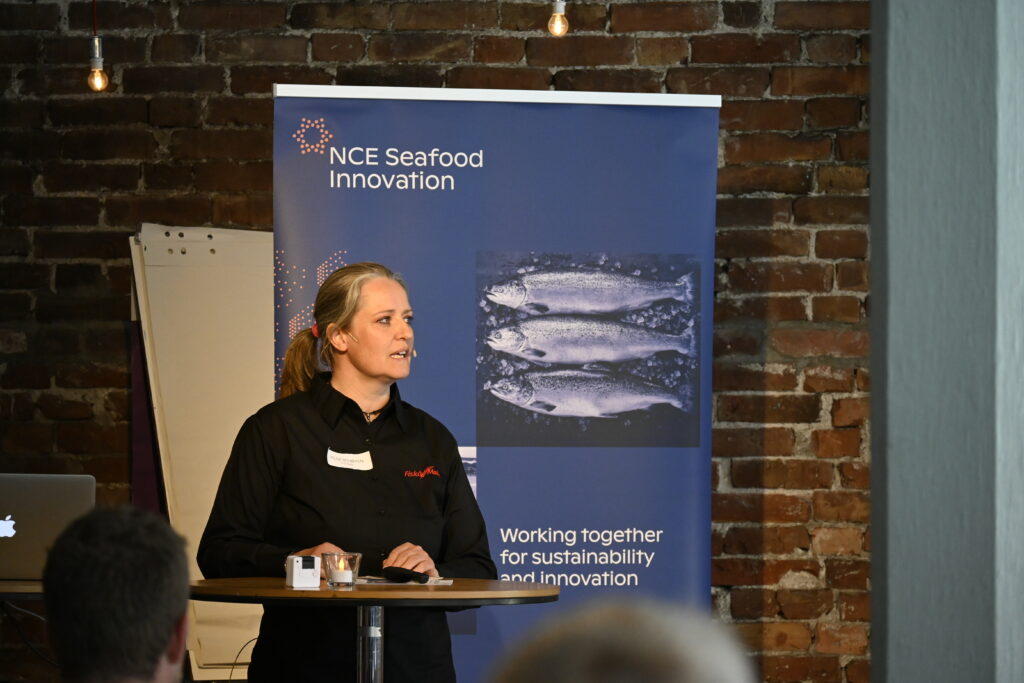
One of these projects was BlueMusselFeed, presented by Hilde Faaland Schøyen, Head of Raw Materials at Fiskå Mølle and Elise Sæle Dahle, Project Developer at Land meets Sea.
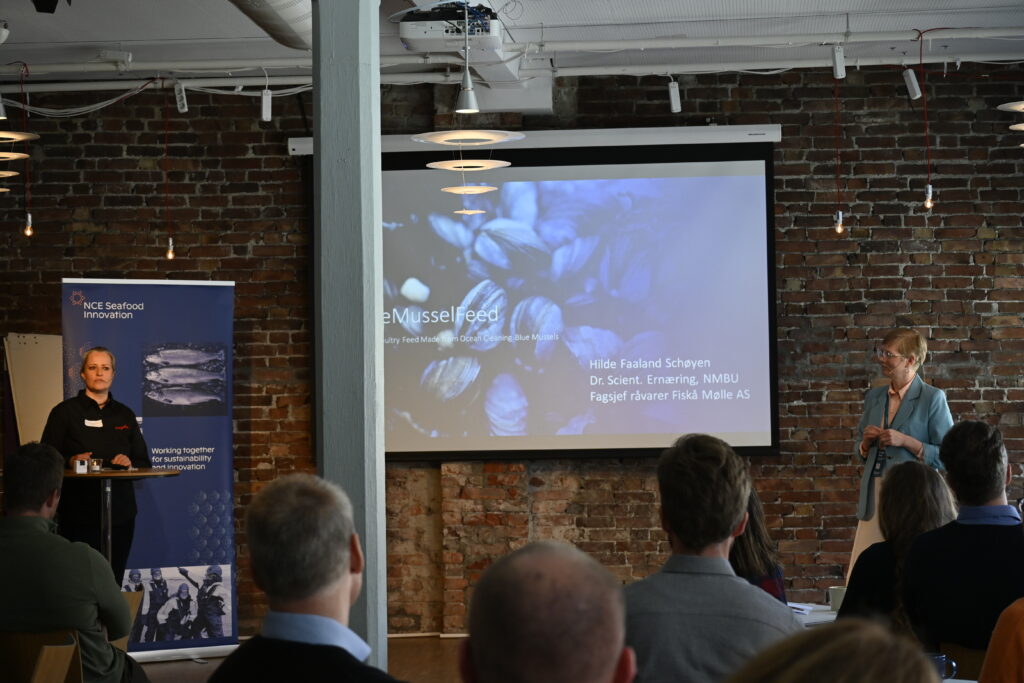
Mussels for chicken feed
The goal of the project is to establish mussels as a new feed ingredient for chicken, and thereby contribute to increasing Norway's self-sufficiency in food production.
– Mussels are a kind of egg as a feed ingredient, because mussel shells can replace calcium from limestone flour and the innards can replace protein from imported soy and corn gluten, says Schøyen.
She also says that the project will use mussels to harvest nutrients from seawater, including carbon, nitrogen, calcium and phosphorus, in addition to laying the foundation for increased mussel production in Norwegian waters.
– A bonus of using mussels for chicken is that it gives the egg yolks a beautiful golden color.
A great Norwegian opportunity
Hilde Schøyen concluded her presentation by outlining the market opportunities we have in Norway.
– We have a market basis for a very large production of mussels, here Norway needs more people to sign up and want to contribute.
Cross-border collaboration
BlueMusselFeed is a collaborative project between actors across several sectors, and includes Fiskå Mølle, Lerøy Ocean Forest, Eide Fjordbruk, Norforsk, Animalia and Nortura, in addition to the cluster collaboration Land Møter hav which consists of the four clusters NCE Seafood, NCE Blue Legasea, Biotech North and NCE Heidener Biocluster.
The project received 11 million in support from the Research Council in the fall of 2022.