New report: From linear to circular plastic use
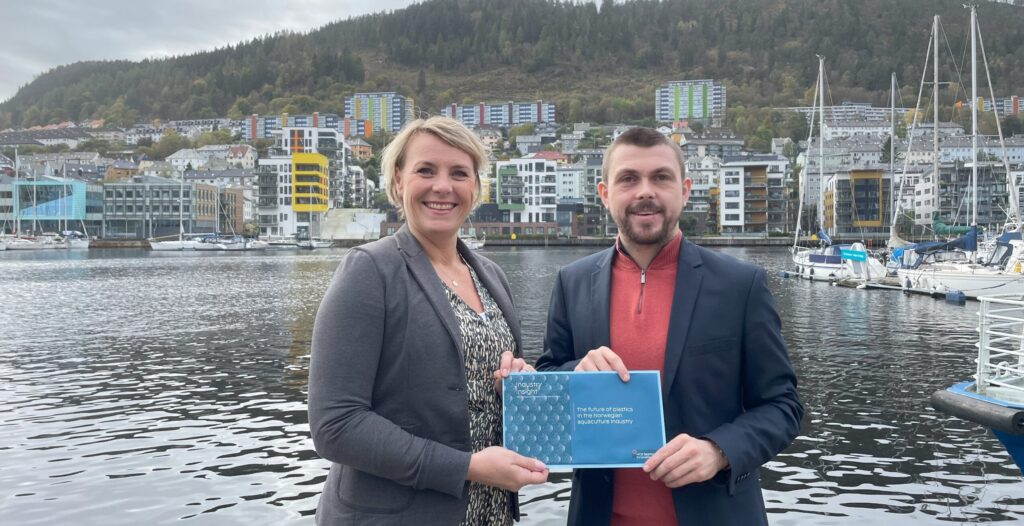
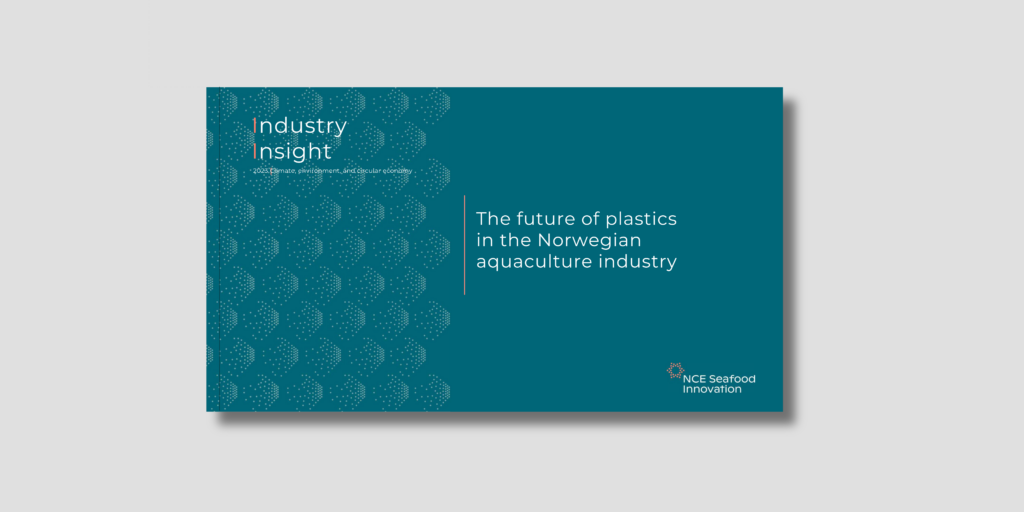
This is according to Dominik Flatten of NCE Seafood. He has led the work on the report " The future of plastics in the Norwegian aquaculture industry ", which was launched on October 20.
Must change consumption
It is a comprehensive report that is being presented. It shows that we have a growing value chain in recycling, but recycling in itself is not good enough. The big challenge is to change today's linear plastic consumption to more circular material flows.
– We see that there are several good projects, but the plastic is still recycled a lot at lower value and quality. The goal must be that a float collar can become a new float collar, not plastic trays at McDonalds, says Flatten.
Plastic in Norwegian aquaculture
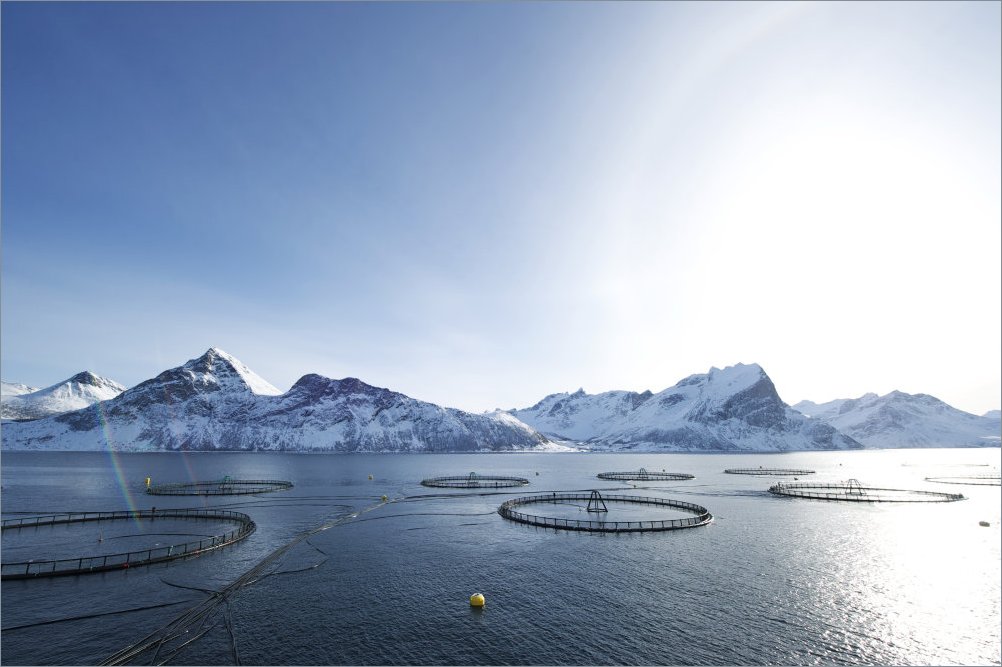
- There are approximately 192,000 tons of plastic in use at any given time, with floating walkways accounting for more than half. Only 8-15 percent of the plastic in use in the industry is replaced each year.
- The aquaculture industry has an annual consumption of between 16,000 and 29,000 tons of plastic, depending on the lifespan of the components.
- The average lifespan of plastic is approximately ten years.
More leasing
He points out that there are increasingly strict requirements from the authorities regarding plastics. Therefore, it is important to improve product design, reuse components to the greatest extent possible and, not least, extend the lifespan.
– If the equipment lasts longer, it will have a huge impact on plastic consumption. But we should also look at new solutions such as leasing models. Perhaps you could rent an entire cage where the manufacturer takes responsibility for maintenance and waste sorting. I believe that extended producer responsibility will result in products that are more thoughtful in terms of waste management, says Flatten.
Great pioneering work
“We need to see plastic as a resource,” says Tom Richard Hamland, founder and business developer at Oceanize. He has solid experience in collecting plastic for recycling.
– It is positive that the circular economy in aquaculture is receiving more attention. Recycling and recovery have gained momentum in recent years, and there is much to be gained here. But everything depends on the spread of expertise and knowledge, says Hamland.
He highlights the collaboration between Oceanize, AKVA group, Nova Sea and Plasto which recently resulted in the world's first fish farming cage based on 100 percent recycled plastic.
– A good example of innovation where we make better use of resources. And if the farmers want such products, the producers must deliver.

Need for restructuring
Henrik Brynthe Lund, researcher at Sintef, believes that the report summarizes existing knowledge on the topic in a good and reader-friendly way, which will be useful for various players in the aquaculture industry.
He points out that buyers should, to the greatest extent possible, order equipment made from recycled, or partially recycled, plastic.
– They should use their purchasing power to drive a transformation among several of the industry's suppliers. At the same time, stricter requirements should be placed on suppliers to ensure that they can deliver maintenance services and recertification services that help keep products in use for as long as possible.
Provides insight
Hanne Digre, Chief Sustainability Officer at ScaleAQ, believes the report is significant because it provides insight into the use of plastic in aquaculture and the potential for a circular system.
“It helps create awareness and can guide decision-makers, businesses and researchers to develop sustainable solutions and reduce the environmental impact of plastic use. It is also important to collaborate in the value chain to create circular value chains,” says Digre.
– We must consider alternative materials with lower environmental impact, invest in recycling and reuse of plastic products and ensure good maintenance routines to extend the life of plastic equipment.
Clear strategy
– I believe such a report contributes to increased interest and a better understanding of the place plastics have in the industry, says sustainability manager at Lerøy, Anne Hilde Midttveit.
She says that the company is very concerned about the choices made when it comes to purchasing, using equipment and maintenance.
– We must have a clear strategy related to our plastic consumption, and we must also set clear requirements for our suppliers so that the plastic we use meets the requirements we set. Close and good cooperation between industry and the supplier industry will therefore be important in the future, says Midttveit.
Supports the work
Cecilie Lind, CEO of Handelens Miljøfond, hopes the report will inspire the industry to use plastic more intelligently through innovation. This can both reduce emissions and contribute to new, green jobs.
The Norwegian Environmental Fund has been a financial partner for the report. The fund supports initiatives that address plastic litter, reduced use of plastic, and a more circular plastic economy.
– There is a wide range of initiatives for which you can apply for support from us. I recommend following our websites where the calls for proposals are announced, says Lind.
Launched October 20
The Industry Insight report “The future of plastics in the Norwegian aquaculture industry” was posted on NCE Seafood's website on Friday, October 20.
– We hope that together we can initiate systemic changes throughout the value chain and inspire each other to innovate within technology, product design and new business models, concludes Dominik Flatten.
Industry Insight
- A series of status reports based on NCE Seafood's five industrial focus areas.
- Previous reports have been "Future Feed Ingredients" in 2022 and "Data sharing in the Norwegian Aquaculture Industry" which came out this spring.
- "The future of plastics in the Norwegian aquaculture industry" will be launched on October 20, and "Talent Attraction" is scheduled to come next spring.
- The reports are a contribution to sharing knowledge in an easy-to-read and understandable format.
- They will contribute to strategy processes among members and partners in the cluster, as well as the rest of the industry.