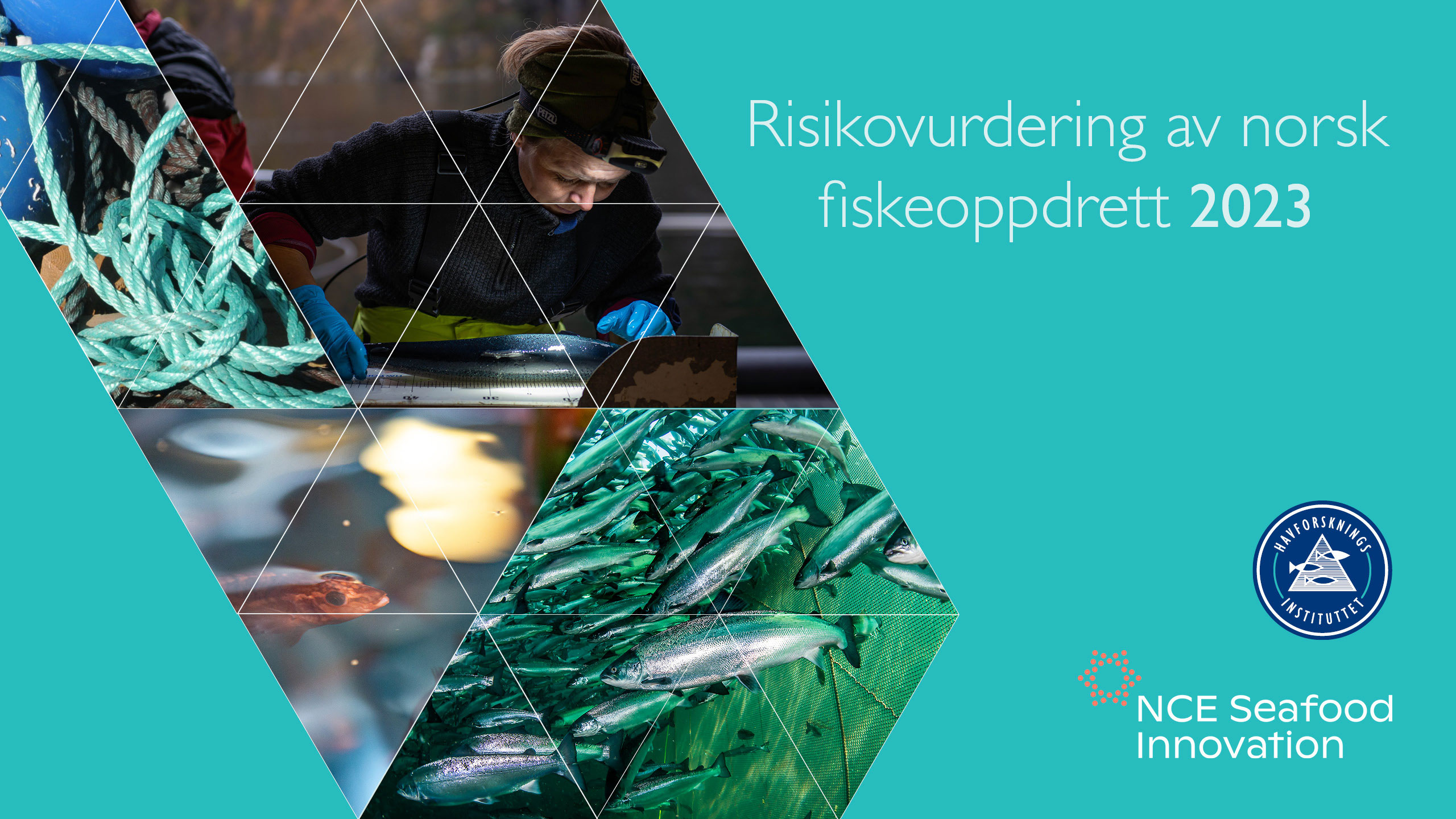
Risk report Norwegian fish farming 2023
Need to go through a system change
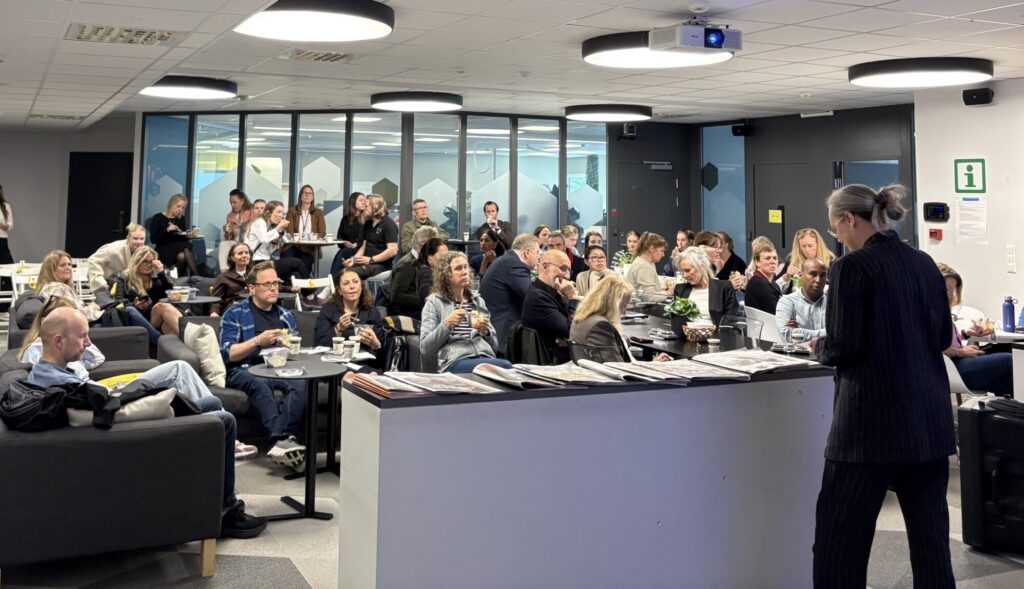
At the launch, Björgólfur Hávarðsson, Innovation Manager here at NCE Seafood, participated in a panel with Britt Leikvoll, Section Manager at the Directorate of Fisheries, Lise Rokkones, Section Manager at the Norwegian Food Safety Authority, Ingebjørg Sævareid, Fish Health Manager at Grieg Seafood and Geir Lasse Taranger, Research Director at the Institute of Marine Research.
– The risk report shows that the industry must undergo a system change to reduce our footprint, and this is primarily about survival and welfare. The report shows that we are not succeeding in what we are doing, some of the measures are the use of good large smolt and closed facilities at some locations to reduce the need for delousing and the burden that frequent delousing entails. The key is the smart use of innovation, science and cooperation, says Björgólfur Hávarðsson after the launch.
Here are three key findings from the report:
- Salmon farming still has a high mortality rate, and 58 million farmed salmon died in 2022.
- Inbreeding from escaped farmed salmon poses a risk of further genetic changes in wild salmon, and in six of the production areas there is a high risk of this.
- Copper mining in areas 3 and 4 (Karmøy to Stadt) represents a high environmental risk.
And some bright spots:
- The likelihood of disease outbreaks related to the use of cleaner fish is low.
- It is considered that the risk associated with the discharge of particulate organic material onto soft ground is low.
- There is a low risk of changes in the incidence of ISA in wild fish as a result of infection from farmed fish.